
The 1950s brought a unique charm to home decor, blending optimism and style. From pastel kitchens to elegant furniture, every room told its own story in this era of innovation and nostalgia.
1. Atomic Age Influences
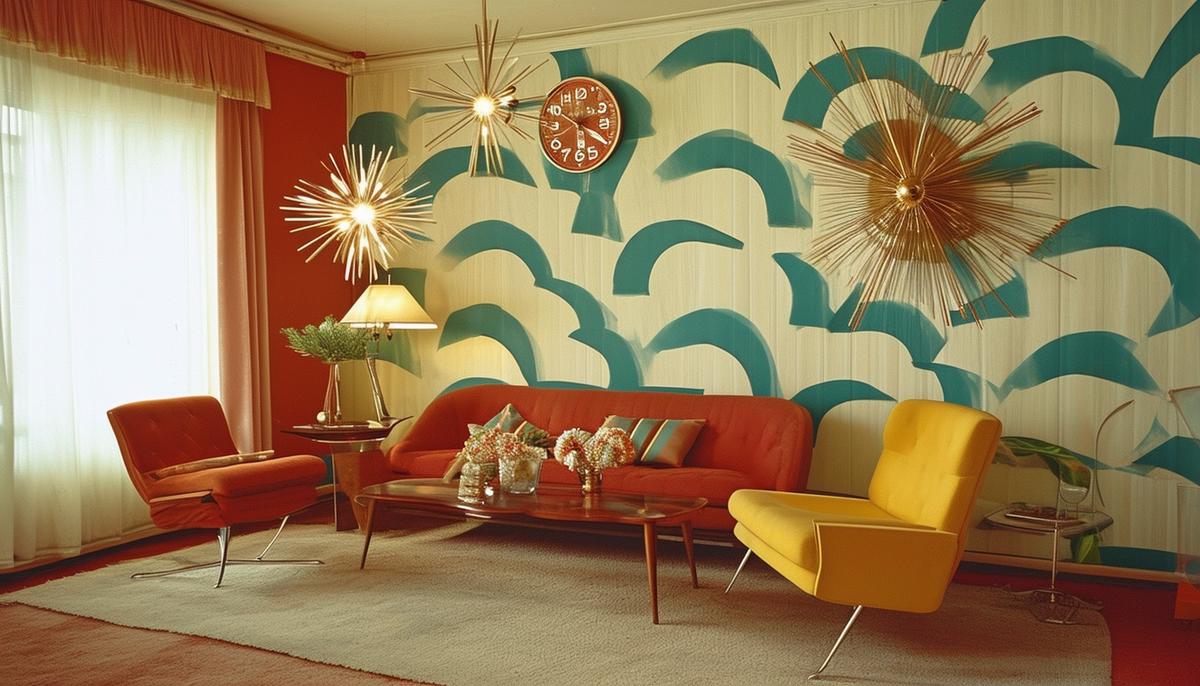
The 1950s embraced the Atomic Age in home decor. Sleek, modern elements reflected the excitement of space travel and technological advances. Boomerangs and starbursts were popular motifs, appearing on wallpaper and clock designs. Bright pastels, vibrant oranges, and electric yellows made everything feel hopeful and future-forward.
Sputnik chandeliers brought a space-age feel to lighting, while bark cloth textiles boasted patterns of far-off galaxies. These design choices reflected the nation's optimism and belief in endless possibilities. Families could gather under twinkling starburst clocks, sharing dreams of joining the space race and imagining a world of push-button convenience.
2. Pop of Pastels
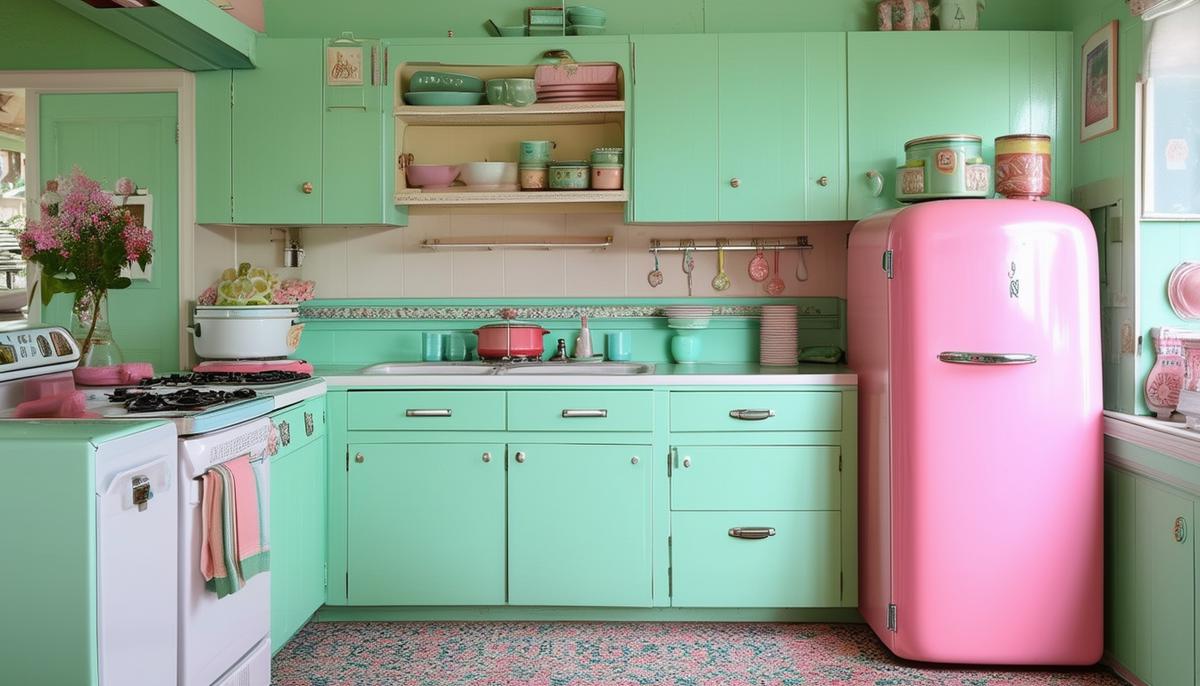
Kitchens and bathrooms in the 1950s were awash in pastel hues. Mint green and cotton candy pink were especially popular, creating cheerful and welcoming spaces. Cabinets might be a sweet mint, while appliances wore shades of bubblegum pink or soft turquoise.
Bathrooms joined the pastel parade with pink bathtubs and seafoam tiles. Walls might be pale yellow or sky blue, with accessories in matching tones. These colors offered more than just visual appeal; they cast a rosy glow over daily life, turning chores into charming rituals and family meals into pastel-painted memories.
3. Mid-Century Furniture Charmed the Times
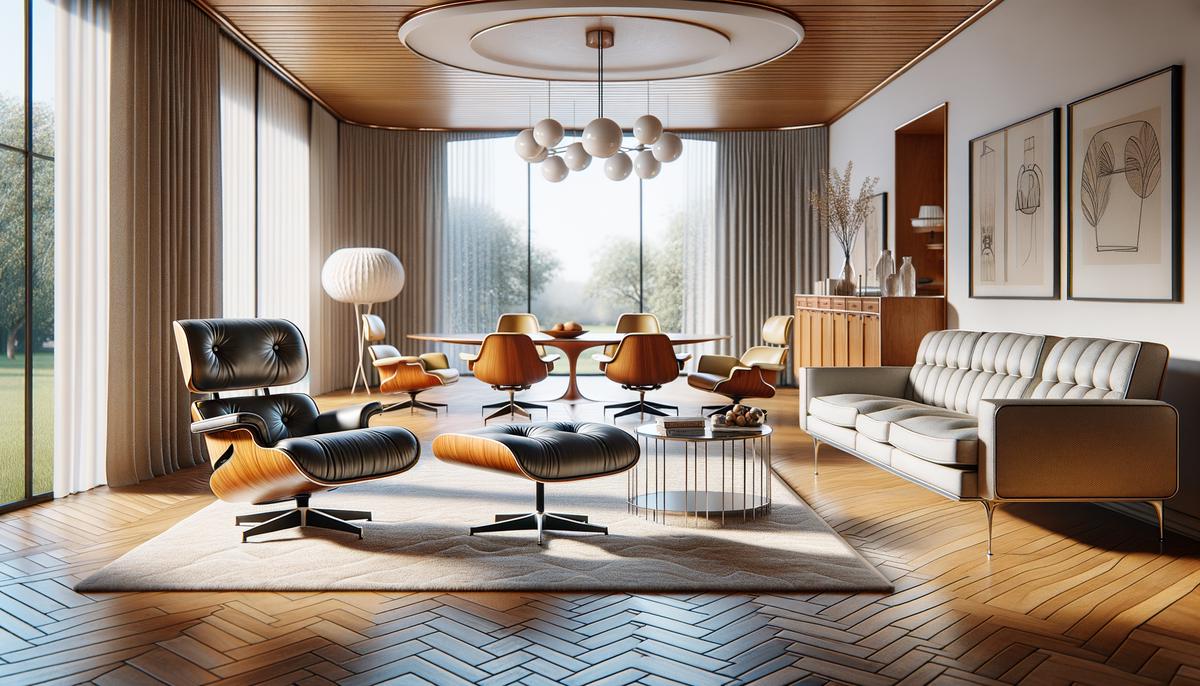
Mid-Century furniture was all about clean lines and elegance. Pieces like the Eames Lounge Chair, Noguchi coffee table, and Tulip Table by Eero Saarinen became icons of the era. These designs emphasized functionality without sacrificing style, featuring materials like maple wood, walnut veneers, and sleek metals.
The furniture of this time created living spaces that said, "Relax! You're home," in the warmest way possible. They championed practicality and comfort while still maintaining a sense of style, perfectly capturing the spirit of the 1950s.
4. Wallpaper Wonders
Wallpaper in the 1950s was bold and transformative. Vibrant florals, geometric patterns, and atomic boomerangs were popular designs. Space motifs with swirling galaxies and shooting stars made rooms feel like personal mission control centers.
These patterns weren't just decorative; they reflected the era's excitement about the future. High-quality materials ensured durability, allowing the wallpaper to withstand family gatherings and parties. The 1950s showed that walls could be a playground of stylish boldness, inviting everyone to join in on the fun.

5. Chrome and Vinyl Combos
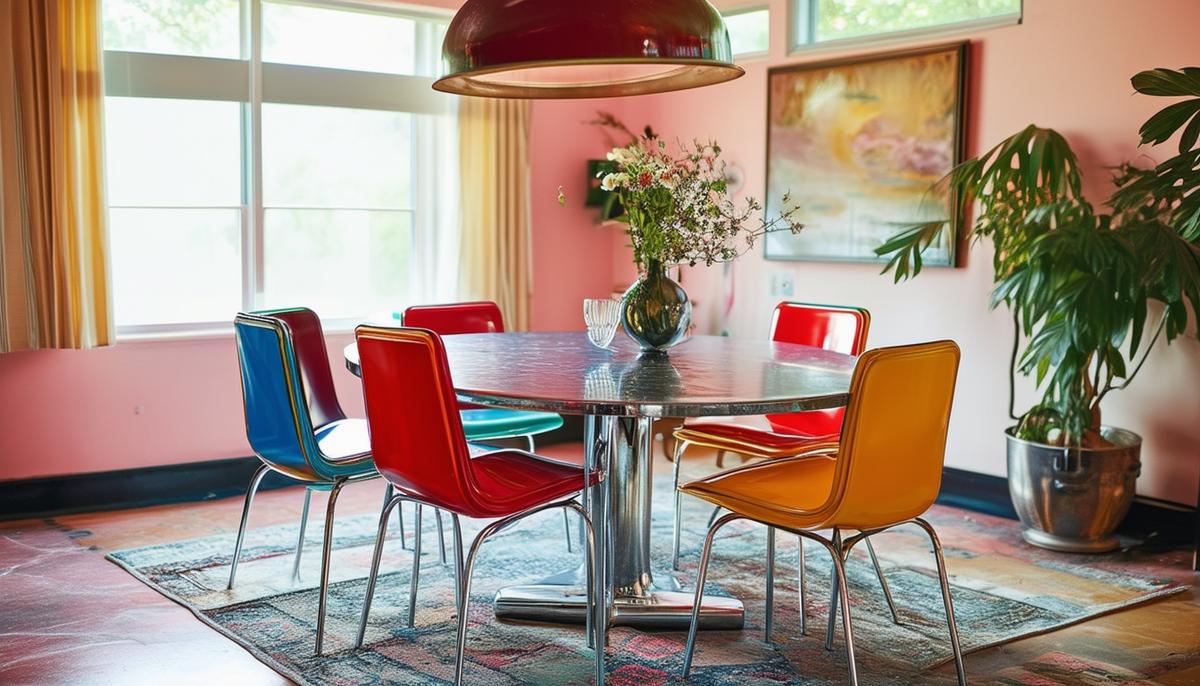
Chrome and vinyl were the dynamic duo of 1950s dining rooms. Chrome brought a futuristic sheen to tables and chairs, while colorful vinyl upholstery offered comfort and durability. Together, they turned simple dining sets into pop-art installations.
These materials represented the era's eagerness to embrace the new and exciting. They made every meal feel like an event, providing a backdrop for birthday parties, Sunday dinners, and countless family memories. Chrome and vinyl combos captured the essence of 1950s style: where retro flair met the promise of tomorrow.
6. Earthy Scandinavian Influence
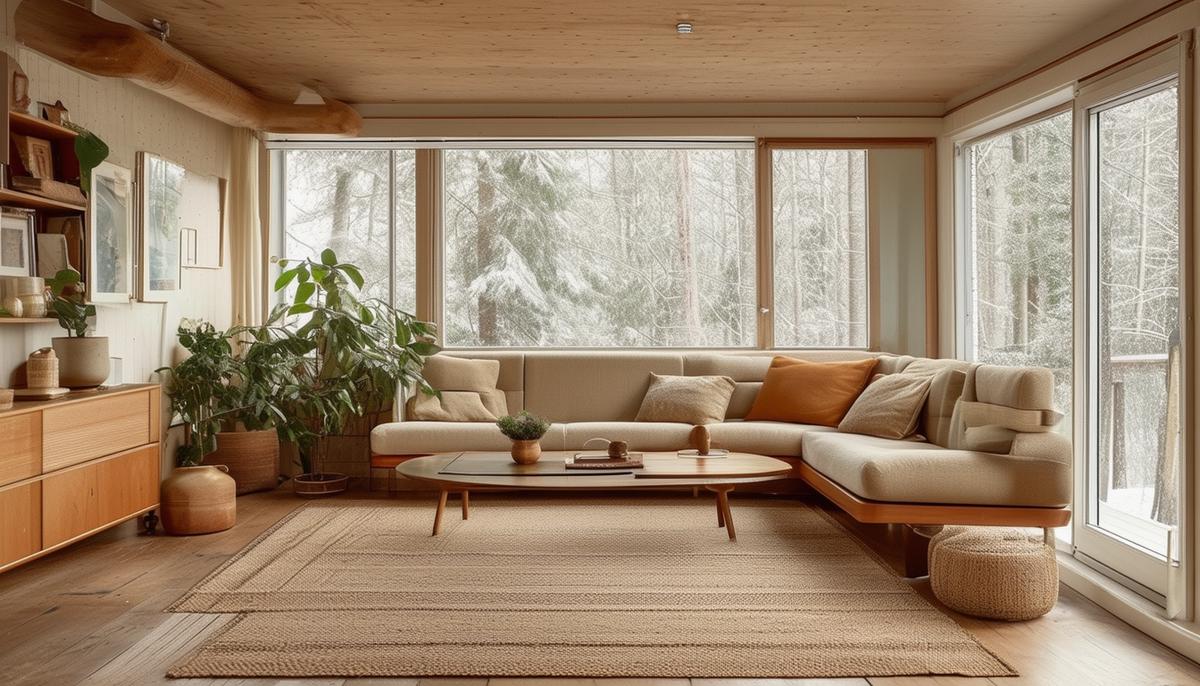
While the 1950s is often celebrated for its atomic-age sizzle, Scandinavian influence brought calm, serene vibes into homes. This style graced rooms with natural warmth and peace.
Picture a living room where earthy olive greens and soothing sky blues played off each other. Scandinavian furniture, with its simple yet elegant lines, was all about function meeting form. Clean lines and minimal ornamentation allowed the beauty of natural materials and craftsmanship to shine.
Whether it was curved wooden chairs or sleek shelving units, every piece told a story of intentional design. Imagine yourself nestled in a Scandi-designed lounge chair, the olive green upholstery cradling you softly.
This minimalist aesthetic changed how people thought about living spaces, making homes feel more grounded. It encouraged families to slow down and rediscover the art of just being together. Embracing Earthy Scandinavian influence was like finding a little hidden alcove of harmony amid a world brimming with excitement.
7. Bold Contrasting Colors
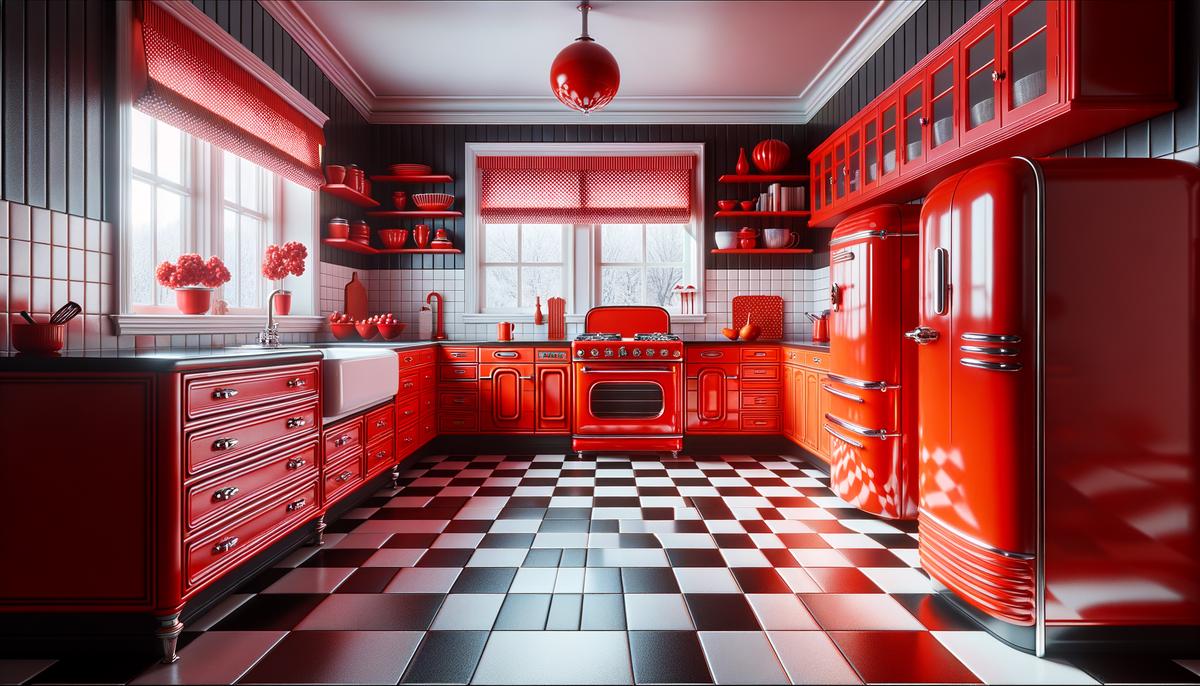
1950s kitchens were a vibrant display of bold contrasting colors. Black and white checkerboard floors often framed the scene, creating a striking backdrop for the rest of the space.
On top of this two-tone canvas, there was often the unmistakable zing of red accents. Scarlet countertops, cherry-red appliances, and fire-engine cabinets added a lively punch to the decor. These dashes of red were like the hot sauce of kitchen color—spicy, zesty, and unforgettable.
These color schemes weren't just pretty; they were exhilarating, turning ordinary kitchens into creative spaces. They reminded families that a little contrast could highlight the beauty in our routines.
So here's to those bold and contrasting hues of the fifties—a melody of color that continues to inspire us to this day. Whether you channel your inner rock 'n' roll spirit or simply dance your way through dinner prep, remember: life's too short for dull-colored kitchens!
8. Funky Linoleum Floors
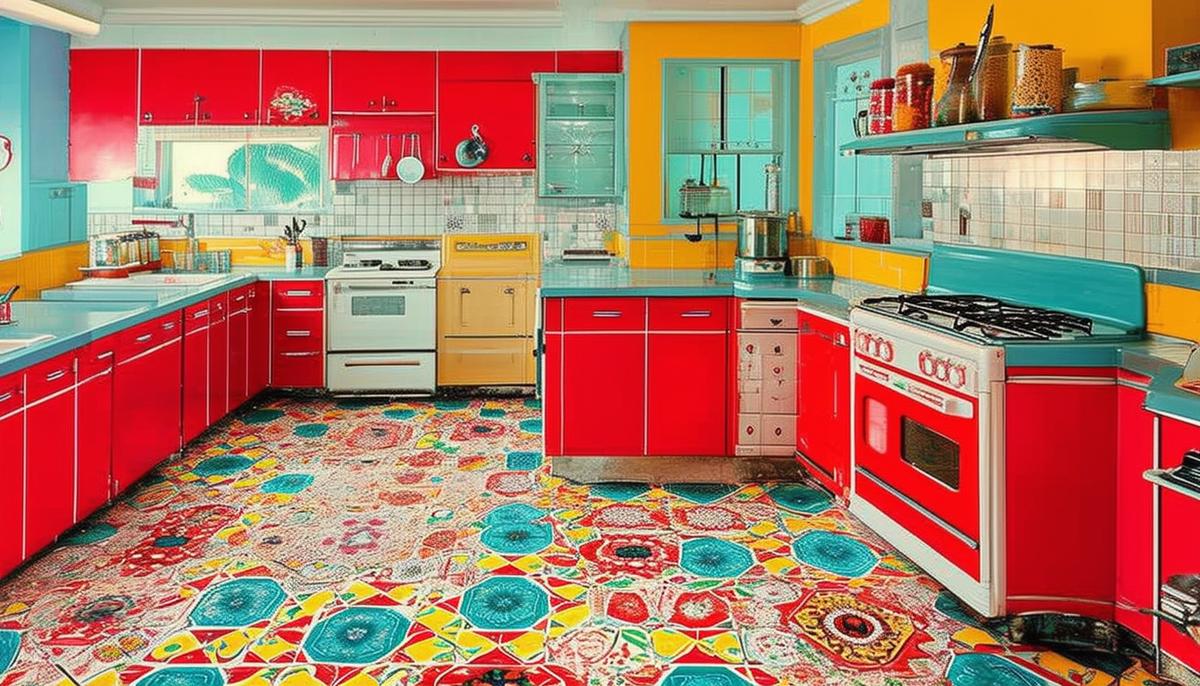
1950s homes embraced vibrant linoleum floors that added a funky vibe to kitchens and bathrooms. Imagine walking across a floor that doubles as a kaleidoscope of checkerboard patterns and flashy hues.
Bright yellows, fiery reds, and sea blues were popular, allowing creativity to sprinkle joy wherever your feet wandered. These joyful surfaces were like a warm hug from Granny—unexpected, delightful, and perfectly timed to elevate your spirits.
Linoleum became popular not just for its looks, but also its practicality. These floors didn't shy away from family gatherings or cooking mishaps. One quick swipe with a damp mop, and you were ready to bask in the hues all over again.
There's something special about rolling out biscuit dough on a loud-and-proud linoleum floor while the radio played Elvis. It's a walk down memory lane when vibrancy was as essential to a home as love and laughter.
So, whether you're recollecting with nostalgia or simply pondering the wonders of yesteryear, let's appreciate the glorious linoleum legends that turned every space into a joyful playground.
In essence, the 1950s was an era where design wasn't just about aesthetics—it was about creating spaces filled with joy and possibility. Whether through bold colors or sleek furniture lines, each element worked together to craft homes that welcomed families with open arms.