
Genesis of Phonevision
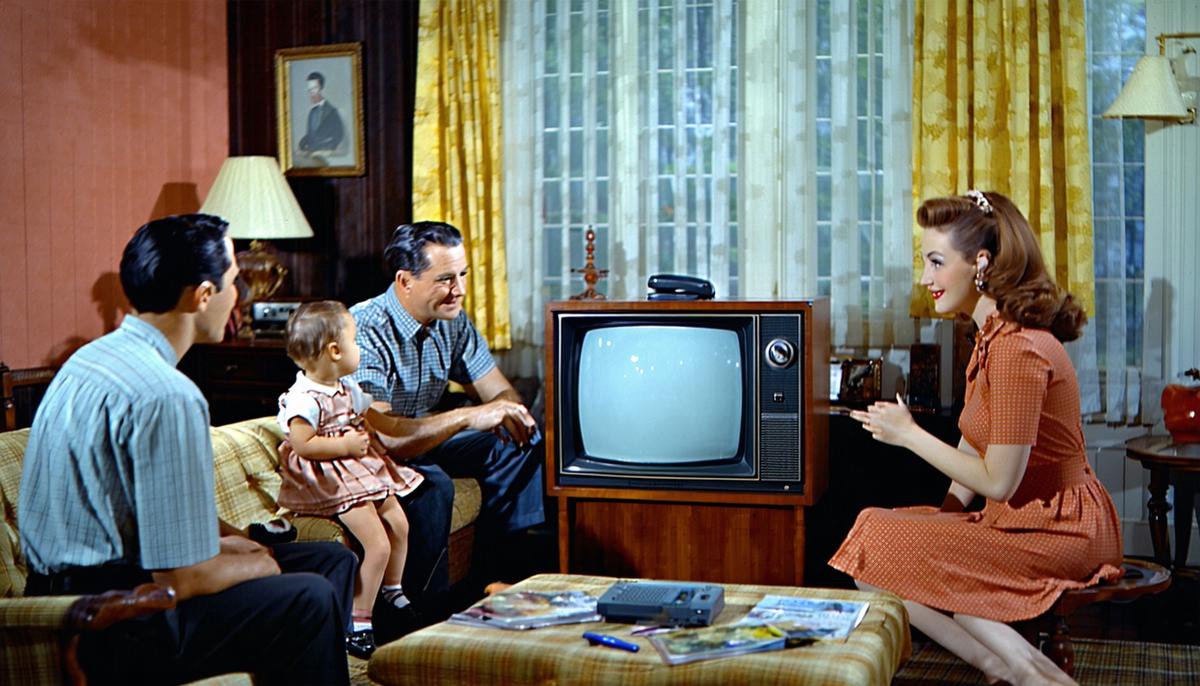
Phonevision, the world's first pay TV service, was the brainchild of Eugene McDonald Jr. In the 1950s, McDonald envisioned TV as more than just a box in the living room. He wanted to deliver Broadway shows, sports events, and movies directly to people's homes without commercials, for just a dollar per viewing.
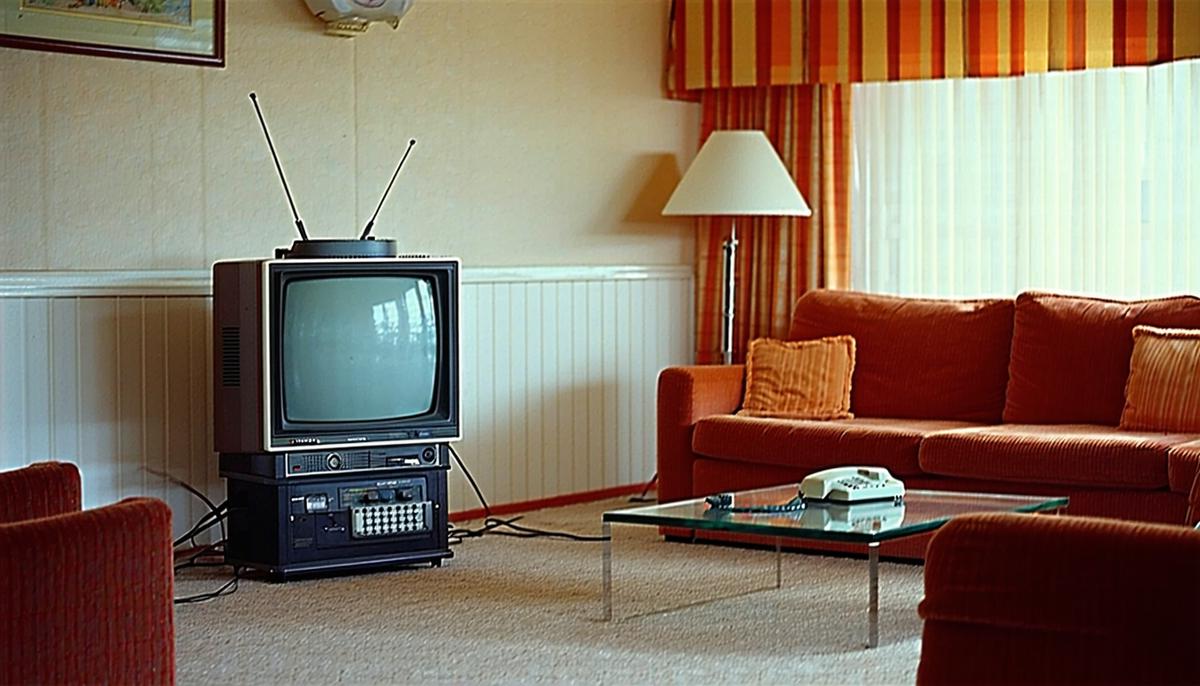
The key to this system was the descrambler, which sat atop household TV sets. Viewers would call Zenith to activate the descrambler, ensuring the chosen film appeared perfectly on screen. It was a clever system that left many dreaming of in-home movie nights.
McDonald called his creation the salvation the TV industry needed. Theater folks labeled it a "flop," but Zenith's data showed promise. Families reportedly watched films 1.73 times per week during trials, while only a small fraction had seen those movies in theaters.
The technology had its quirks, struggling with color when everything else was shifting to vibrant hues. Still, this early model of subscription TV laid the foundation for modern viewing experiences.
Trials and Limitations
Zenith launched its grand experiment in Chicago during the summer of 1950, with 300 homes participating. The trials later expanded to New York City and Hartford, Connecticut. However, the FCC was hesitant about the new technology, which complicated Phonevision's journey to becoming a household staple.
Technical issues plagued the system. Zenith found itself stuck in black-and-white when color was trending, and frequency problems marred the picture quality. Hollywood wasn't thrilled either. Movie studios worried about their films being downsized to television sets, while theater owners fretted over potentially empty seats.
Despite industry skepticism, McDonald's idea showed flashes of brilliance. These trials and tribulations paved the way for what would later become standard in our viewing habits.
Legacy and Impact
While Phonevision itself faded away, its mark on history is clear. It challenged convention and dared to reimagine TV's potential, laying the groundwork for today's subscription-based TV model.
Now, we have:
- Cable giants
- Satellite services
- A variety of streaming platforms
Pay-per-view systems flourished on the foundation Phonevision established. Streaming services like Netflix and Amazon Prime have integrated on-demand viewing into our daily lives, growing from the seeds Phonevision planted.
Phonevision's influence is evident in every click of the "play" button today. It demonstrated the power of innovation, sparking a revolution that connects our cozy couches to global entertainment.
As we enjoy our screens today, it's fun to remember the spark that Phonevision ignited. It wasn't just about movies at home; it was a peek into entertainment's future. Though it didn't last long, its legacy lives on in every stream we enjoy now.
- Schnaars S, Wymbs C. On the persistence of lackluster demand — the history of the video telephone. Technol Forecast Soc Change. 2004;71(3):197-216.
- Hochheiser S. The videophone: Bell Labs' vision of the future that wasn't. IEEE Spectrum. 2015.
- Lipartito K. Picturephone and the information age: The social meaning of failure. Technol Cult. 2003;44(1):50-81.
- Lazzareschi C. AT&T's flop — The Picturephone. Los Angeles Times. 1993.