
The 1950s, often viewed with nostalgia, was a time of post-war optimism and suburban growth. This decade evokes images of tight-knit neighborhoods and shared cultural values, though challenges quietly shaped the social landscape beneath the surface.
Gender Roles and Family Dynamics
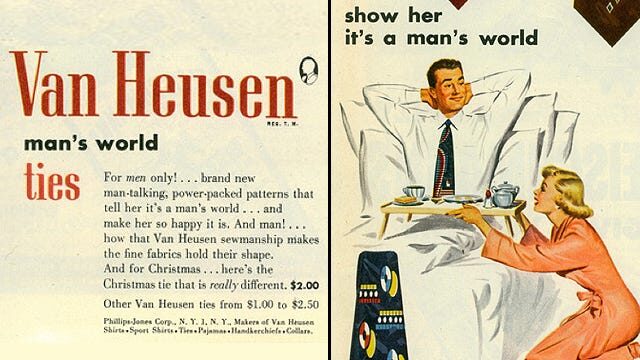
The 1950s kept things clear-cut when it came to roles at home. Men were the breadwinners, working in the booming economy, while women managed the household. It was like a well-oiled machine—everyone knew their part, giving families stability.
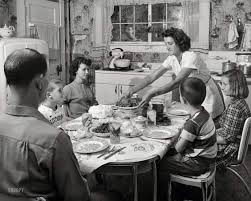
Picture Dad coming home proud after a day’s work, while Mom juggled laundry, kids, and dinner prep. Kids often found snacks waiting and homework help ready. It was like Leave It to Beaver unfolding across suburbs nationwide, painting a picture of contentment and order.
This structure knit communities together. Churches bustled on Sundays, and families had nightly dinners. Neighbors knew each other and easily shared sugar or advice. It created safety nets where everyone had their place in the social quilt.
Sure, there were challenges, and it wasn’t all perfect. But for many, the defined roles of the ’50s offered comfort in a world healing from war. Traditional values echoed through schools, homes, and hearts, reinforcing communities in lasting ways.
For many, the ’50s weren’t about subjugation but finding balance in familiar places. The division of duties helped create dependable relationships, making families cornerstones of their neighborhoods.
Economic Prosperity and Suburban Growth
The 1950s saw unexpected economic success. The post-war boom meant plenty of jobs, rising wages, and a sense of security for many families. It was as if the nation was roaring back to life with renewed confidence.
Thanks to the G.I. Bill, returning veterans could get affordable mortgages, making homeownership a reality. These weren’t just any homes—they were cozy dwellings in planned suburban neighborhoods. It was like a jigsaw puzzle of neat lawns, where everyone had a piece to call their own.
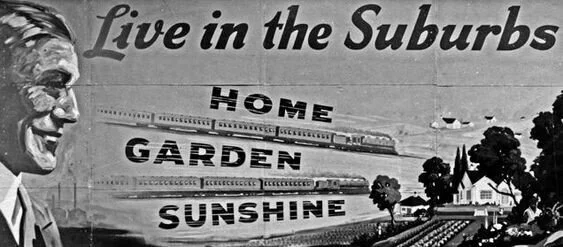
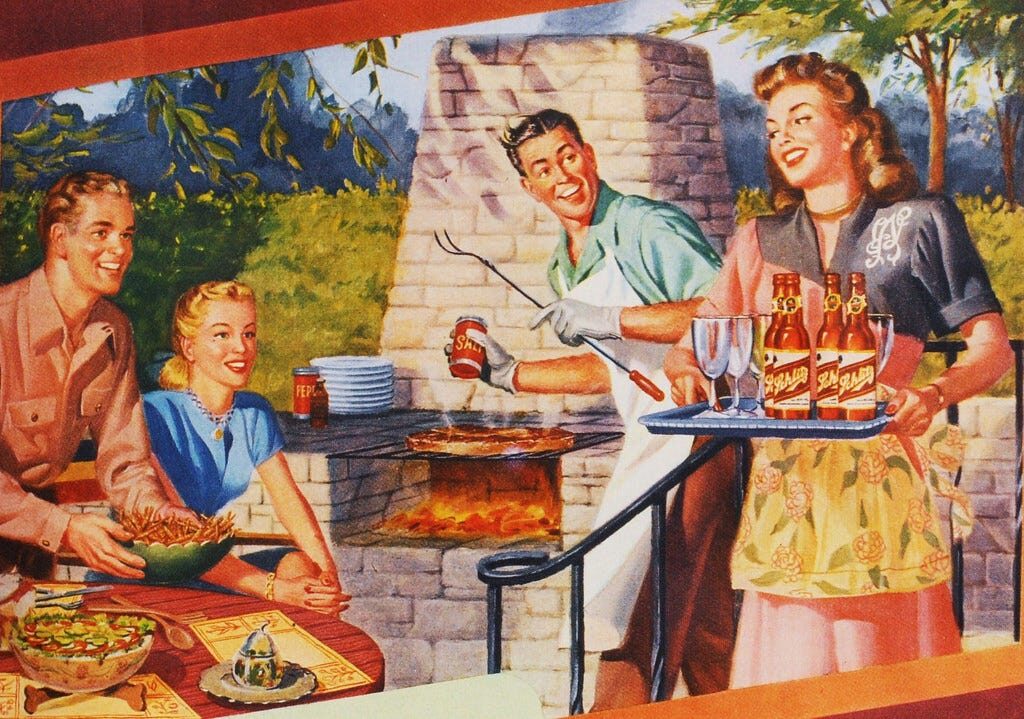
The suburbs became symbols of stability—places where kids rode bikes on quiet streets, moms chatted over hedges, and dads swapped stories at barbecues. It wasn’t just about living next door; it was about living together, growing into a network of support and friendship.
This shift changed how people connected. The open spaces of suburbia represented mental expanses where dreams could grow. People relied on each other for small favors or childcare. Block parties seemed endless. These were the building blocks of communities many dreamed about.
While social dynamics were complex, the suburban lifestyle sparked optimism throughout the culture. It felt like days were full of promise—kind of like a catchy tune you couldn’t shake.
This idealized vision had its flaws, but it laid out a blueprint of thriving communities—showing what united us, not divided us. Those nostalgic for the ’50s often long for that sense of belonging and steady neighborhood life.

Social Cohesion and Shared Values
The 1950s buzzed with a sense of togetherness. “Community spirit” wasn’t just a slogan but a way of life. The era’s blend of patriotism and conformity brought people together quickly.
Patriotism was as common as baseball games on summer afternoons. Post-war confidence spilled into everyday life, creating a proud collective identity. It wasn’t just about flying flags; it shaped daily routines. Families watched the evening news together, reinforcing the idea that being American was special.
Conformity played a big part in bringing people together, especially in suburbs. Life had a comforting rhythm and predictability. Folks often wore similar clothes and shared similar ideals. This created a sense of belonging, like a giant patchwork quilt stretching across the country.
Shared values gave communities a sturdy backbone. Neighbors didn’t just borrow things; they exchanged stories and experiences. A real sense of unity flowed through backyards and across porches, with casual check-ins and shared morning coffee.
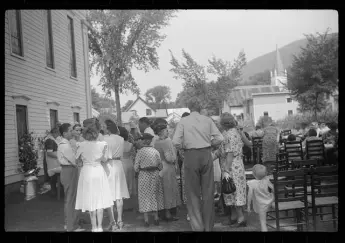
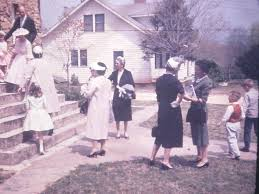
Church socials, little league games, and block parties weren’t just fun; they forged community ties. There was an understanding that society had a shared mission to nurture and protect each other. While not perfect, the feeling of unity was strong.
This camaraderie created a world where school spirit ran high and neighbors truly cared about each other’s well-being. It was a time when communities sparkled with shared values and goodwill.
Today’s world is different, but those mid-century gatherings and neighborly spirit still warm hearts. They remind us that there’s magic in unity and understanding at a community level.
Challenges and Criticisms of 1950s Values
While we often look back fondly on the 1950s, it’s important to remember it had its share of problems. Behind the neat, white picket fences, certain issues quietly affected cultural harmony.
Materialism became a big deal as post-war prosperity allowed people to buy more. Homes filled with new appliances and gadgets. While exciting, this focus on consumer goods sometimes led to unhealthy competition between neighbors, making them rivals rather than friends.
We can’t ignore the racial segregation of the time. Despite the cheery community image, color lines were clearly drawn. The booming suburbs were mainly for white Americans, while people of color were often left out. This wasn’t just an oversight; it was a systemic issue that created invisible walls in communities.
Gender roles were also very rigid. Women, in particular, often found themselves stuck in a loop of societal expectations. The image of the happy housewife wasn’t reality for everyone. Many women were pushed into homes rather than workplaces, limiting their potential. This meant communities often overlooked the talents of half their population.
These challenges weren’t small bumps in the road. They were complex issues that sometimes created cracks in the community spirit. Criticism of these values grew slowly but steadily, paving the way for changes in future decades.
While it’s fun to think back on rock ‘n’ roll and family sitcoms, it’s vital to remember that not everyone could easily pursue happiness in the 1950s. The hurdles created by materialism, segregation, and strict gender roles changed community life, sometimes hitting sour notes in an otherwise harmonious tune.
Looking back at this decade, let’s learn from both its good and bad points. The ’50s weren’t just about sock hops and soda fountains but a mix of dreams and realities, challenges and criticisms—showing us where we’ve been and where we can go.
The 1950s, despite its challenges, offered a sense of community that many remember fondly. The lessons from this era remind us how important unity and connection are in building a thriving society.
- Churchill W. The Sinews of Peace (‘Iron Curtain Speech’). Westminster College, Fulton, Missouri. March 5, 1945.
- Friedan B. The Feminine Mystique. W.W. Norton & Company; 1963.
- Brown v. Board of Education, 347 U.S. 483 (1954).
- The G.I. Bill of Rights: An Analysis of the Servicemen’s Readjustment Act of 1944. Veterans Administration, Washington D.C.; 1950.
- Eisenhower DD. Mandate for Change, 1953-1956. Doubleday; 1963.