
Radium Water and Its Dangers
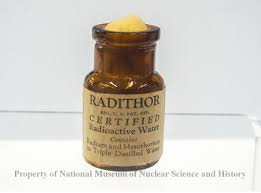
Radium Water was all the rage in the 1950s. Advertised as a miracle drink, it promised to boost your energy and health. The catch? Its main ingredient was radium – yep, the radioactive stuff.
People thought they were getting a dose of vitality, but instead, they were sipping on a dangerous cocktail. It’s like they ordered a refreshing lemonade but got served toxic waste instead.
Companies went wild, claiming radium water could fix almost anything. Ads were everywhere, painting this radioactive drink as the next best thing since sliced bread. It was the 1950s version of an energy drink, only much more hazardous.
The fallout wasn’t pretty. Folks ended up with radiation poisoning instead of the pep they were promised. That healthy glow they were expecting? More like a sickly shine.
It just goes to show, not everything that glitters is gold. In this case, it was both shiny and deadly. It’s a reminder that sometimes, the old-fashioned ways (like a good night’s sleep) beat newfangled “miracle cures” any day of the week.
The Lobotomy Procedure
In the 1950s, lobotomies were all the rage in the medical world. Picture this: doctors using something like an ice pick to “fix” mental health issues. It’s as if they thought poking around in the brain was as simple as frosting a cake.
Everyone from stressed-out housewives to overworked businessmen might find themselves on the operating table. The idea was to snip away a bit of the brain and – voila! – emotional problems solved.
But here’s the kicker: patients often lost more than just their worries. They might forget basic things or lose their spark entirely. It’s like trying to fix a radio by whacking it with a hammer – sure, it might stop making noise, but it’s not exactly working properly anymore.
As the 1960s rolled around, doctors started to realize that maybe jabbing an ice pick into someone’s brain wasn’t the best idea after all. It turns out that the human mind is a bit more complex than they thought. Who knew?
Looking back, the lobotomy craze reminds us that not all new ideas are good ideas. It’s a bit like that time your uncle thought he could fix the car with duct tape – sometimes, it’s better to leave things to the experts.
Thalidomide’s Tragic Impact
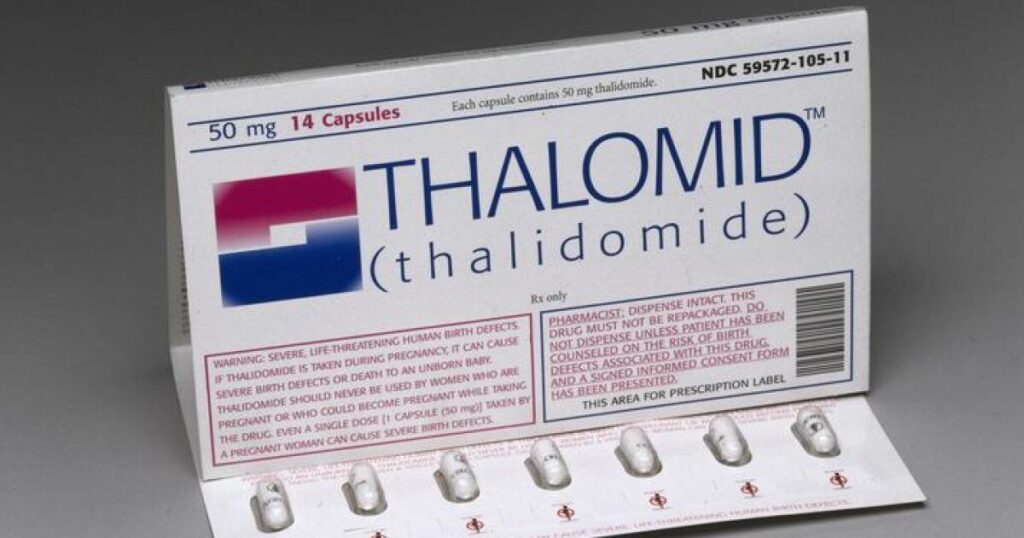
Thalidomide came onto the scene in the 1950s like a superhero, promising to save pregnant women from morning sickness. At first, it seemed like a dream come true – a little pill to make those rough mornings easier.
But boy, did that dream turn into a nightmare. Soon, babies were being born with serious birth defects. It was like ordering a soft teddy bear and getting a porcupine instead – shocking and harmful.
This disaster wasn’t all bad news, though. It made people realize that maybe we should be a bit more careful with new drugs. It’s like learning to look both ways before crossing the street – sometimes it takes a close call to teach an important lesson.
Thanks to thalidomide, drug testing got a lot stricter. It’s not something we celebrate, but it did make medicine safer for future generations. So while it was a tough lesson, it helped pave the way for better healthcare down the road.
Cocaine-Laced Products
The 1950s had a bit of a hangover from earlier times when it came to cocaine-laced products. While not as common as they once were, these “magic potions” were still lurking around, like that one relative who doesn’t know when to leave the party.
Back in the day, these concoctions were seen as cure-alls. Got a headache? Feeling tired? Just take a sip of this “special” tonic! It was like Red Bull, but way more intense (and illegal by today’s standards).
By the ’50s, most folks were wising up to the dangers, but some of these products were still hanging around. It’s like finding out your grandma’s “secret ingredient” in her famous cookies was something you definitely shouldn’t be eating.
As time went on, people started to realize that maybe, just maybe, putting cocaine in everyday products wasn’t the best idea. It’s like finally admitting that those “x-ray glasses” from the back of comic books don’t actually work – a bit disappointing, but ultimately for the best.
The whole cocaine product craze left us with an important lesson: just because something comes in a fancy bottle doesn’t mean it’s good for you. It’s a reminder that sometimes, the old saying “if it sounds too good to be true, it probably is” is spot on.
Looking back at the 1950s, we can see it was a time of big ideas and even bigger surprises. While some of those ideas turned out to be not so great, they taught us valuable lessons. It’s like learning to ride a bike – you might get a few scrapes along the way, but in the end, you’re better off for the experience.
- Wailoo K. Dying in the City of the Blues: Sickle Cell Anemia and the Politics of Race and Health. Chapel Hill: University of North Carolina Press; 2001.
- Kang L, Pedersen N. Quackery: A Brief History of the Worst Ways to Cure Everything. New York: Workman Publishing; 2017.
- Weintraub M. Long-term weight control study: conclusions. Clin Pharmacol Ther. 1992;51(5):642-646.