
Forget everything you know about balanced eating. In the 1950s, a “healthy meal” often involved mystery meats, gallons of mayonnaise, and gelatin molds that looked like science experiments gone wrong.
It was a time of peak food experimentation—when housewives were expected to stay thin while also making sure their families were fed three hearty, butter-soaked meals a day. The result? Diet fads that made no sense and recipes that should have been classified as a threat to public health.
So how did we go from wartime rationing to a decade obsessed with pineapple-and-cheese casseroles?
Why Did the 1950s Think Jell-O Was a Food Group?
The 1950s American diet was shaped by post-war changes, gender roles, and new technology. With rationing ending, people embraced a “have it all” attitude, adding more sugar and desserts to their meals. Women, though taking on new roles outside the home, were still expected to be the main meal providers. This led to the popularity of quick-fix options like cream of mushroom soup in casseroles and TV dinners.
New appliances inspired creative uses of chilled foods, sparking the gelatin craze. Stoves, ovens, and freezers became common, shifting food trends toward convenient but comforting meals.
Women’s changing roles also influenced diet trends. With society emphasizing slim figures, diets like the cabbage soup diet gained popularity. Weight loss advice mixed traditional wisdom with modern marketing, often focusing on women staying trim for their husbands.
Post-War Dietary Changes:
- End of rationing led to increased sugar consumption
- Convenience foods became popular
- New appliances influenced cooking methods
- Emphasis on women maintaining slim figures

The Wildest 1950s Food Trends That Somehow Happened
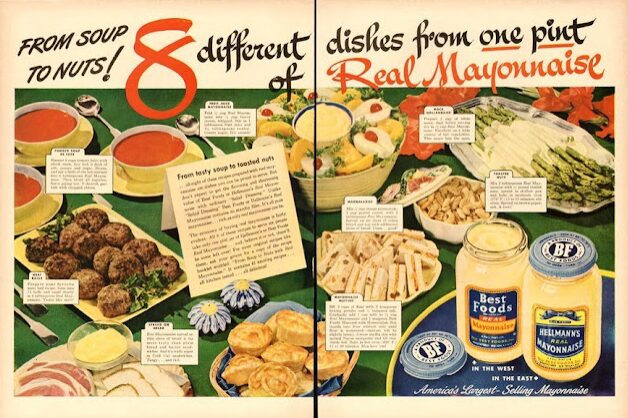
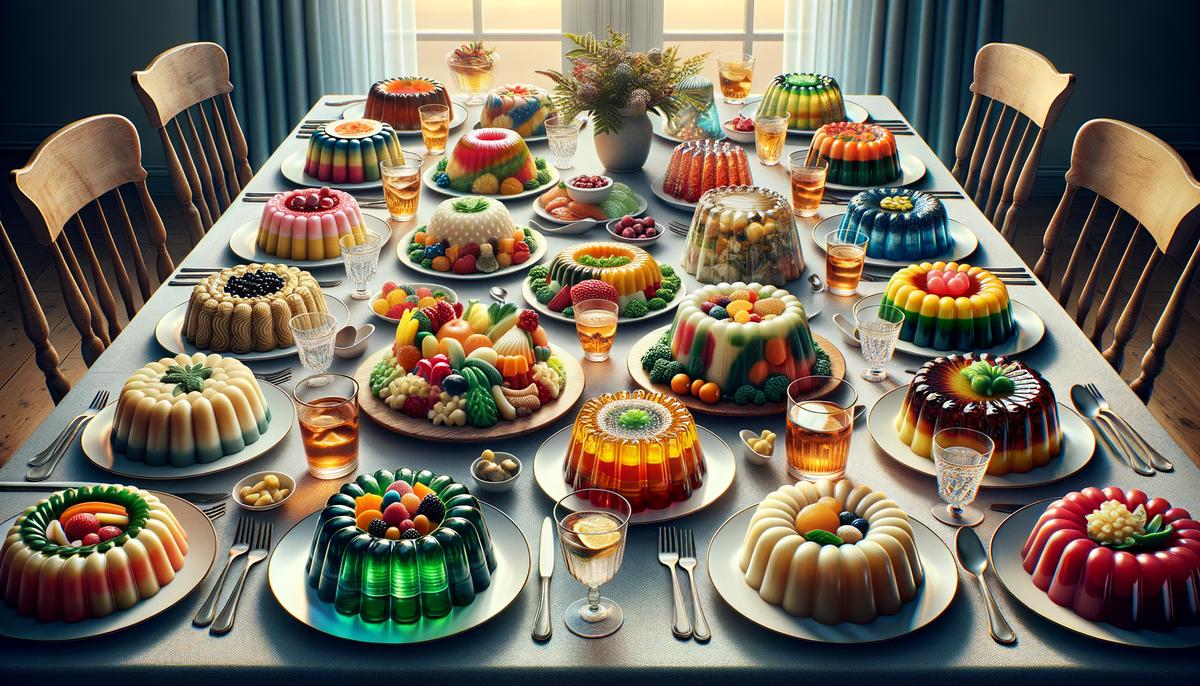
Gelatin molds were all the rage in the 1950s. These wobbly creations could contain anything from vegetables to tuna, showcasing both creativity and the newfound prevalence of refrigerators in homes. They were as much a conversation starter as they were a dish.
TV dinners revolutionized mealtime. Born from Swanson’s oversupply of turkey, these frozen trays allowed families to enjoy dinner without missing their favorite shows. The convenience trumped concerns about food quality.
Canned goods, especially cream of mushroom soup, became kitchen staples. They were the secret ingredient in many casseroles, helping homemakers whip up meals quickly and easily.
These trends reflected America’s hunger for innovation and convenience. While some combinations might seem odd today, they represented the excitement of embracing new horizons in the kitchen.
"For kids growing up in the fifties, cream of mushroom soup was a necessary ingredient in what seemed like every meal set on the immaculately laid out dinner table."
Lose Weight the 1950s Way!
The 1950s diet was high in calories and fats, with hearty meals designed to keep people satisfied throughout the day. Meat, buttered vegetables, and TV dinners were common, reflecting post-war abundance.
From a modern perspective, the nutritional values of these meals might raise eyebrows. Meatloafs were heavier, potatoes were a daily staple, and desserts were unabashedly sweet. This indulgence celebrated the end of wartime rationing.
Diet crazes also emerged, like the cabbage soup diet, as people became more image-conscious. These fads laid the groundwork for future diet trends.
Comparing 1950s eating habits to today’s health-focused approach is like looking into a time machine. While we now prefer balanced meals with lean proteins and whole grains, there’s still some nostalgia for the hearty, community-centered meals of the past.
Typical 1950s Daily Diet:1
- Breakfast: Weetabix with full-fat milk and sugar
- Lunch: School lunches or weekend roasts
- Dinner: Simple meals like beans on toast or tinned salmon
- Snacks: British fruits, occasional Smith’s crisps

In reflecting on the 1950s, one can’t help but notice how food became a symbol of both comfort and change. The era was marked by a shift from wartime scarcity to an embrace of abundance, all while juggling new societal roles and technological advancements. It was a time when convenience met creativity in the kitchen, leaving behind a legacy as colorful as those gelatin molds that graced many tables.
- Howells K. The National Archives. 1950s diet and nutrition.