
What if I told you that a simple trip to the shoe store in the 1950s was one of the most futuristic, exciting, and downright bizarre experiences of the decade?
Picture this: You step into a shoe store, greeted by the smell of polished leather and the cheerful chatter of eager shoppers. But instead of just trying on shoes the old-fashioned way, you’re ushered toward a tall, glowing machine—one that promises to reveal something hidden right beneath your feet.
The Shoe Store Gimmick That Gave You More Than Just Blisters
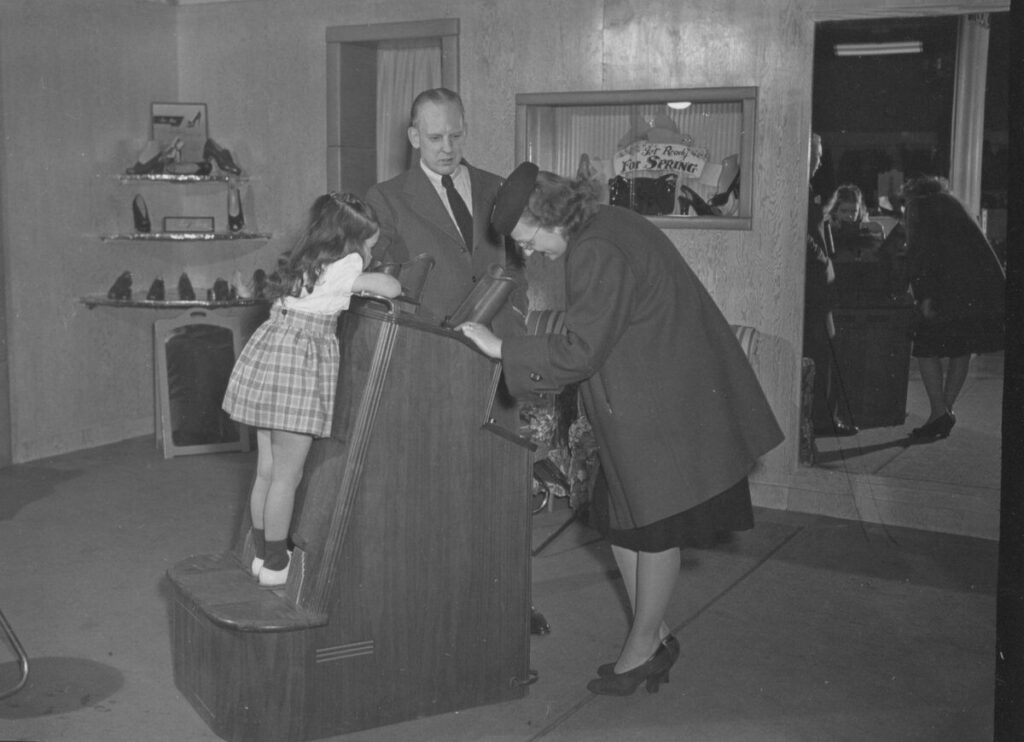
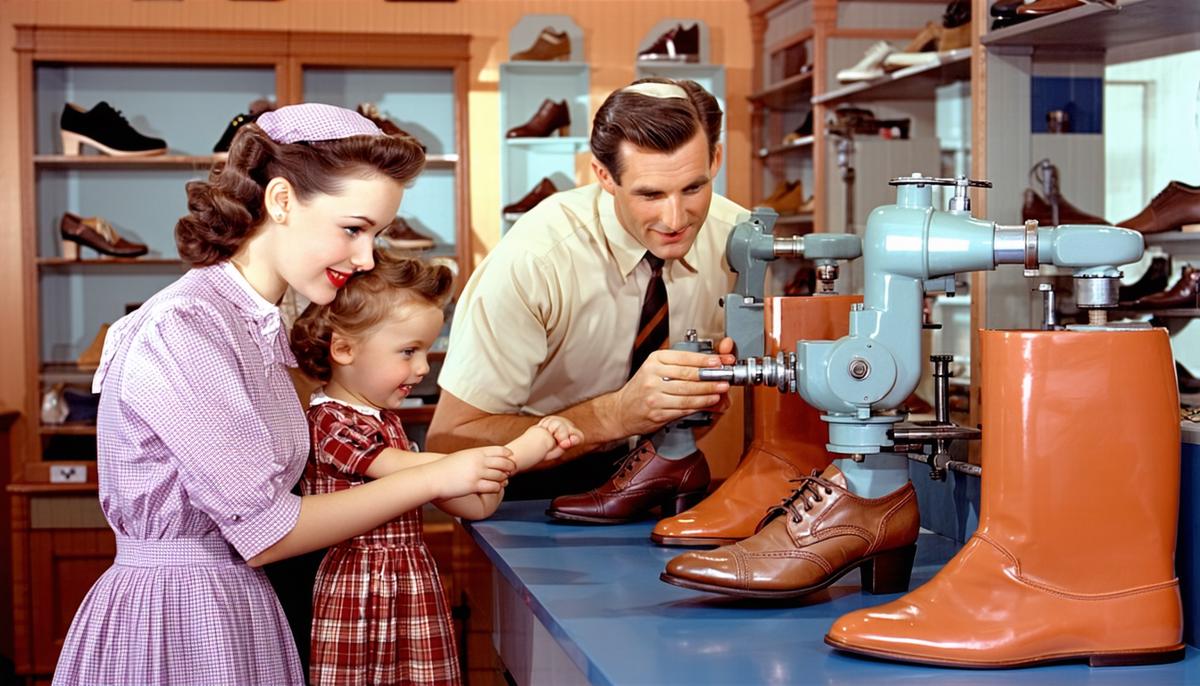
Picture this: It’s the mid-20th century, and you’ve just walked into a shoe store. Right in the middle of all those shiny leather loafers and dapper lace-ups, you’d find yourself face-to-face with a shoe-fitting fluoroscope. This wooden contraption, four feet tall and shaped like a squat tower, was ready to inspect any foot that stepped into its slot.
You’d pop your foot in near the bottom, while your parents and the shoe salesperson peeked through the portholes at the top to witness the X-ray vision magic. They’d see the bones of your toes wiggling within a shoe, trying to decide if it felt comfy enough for those Saturday strolls or trips to the soda shop.
These machines went by various quirky names:
- X-ray Shoe Fitter
- Pedoscope
- Foot-o-scope
In the US, Canada, the UK, and beyond, they drew in thousands of curious shoppers. Kids were practically begging to visit shoe stores, not only for the lollipop reward but also for the chance to see their bones on screen.
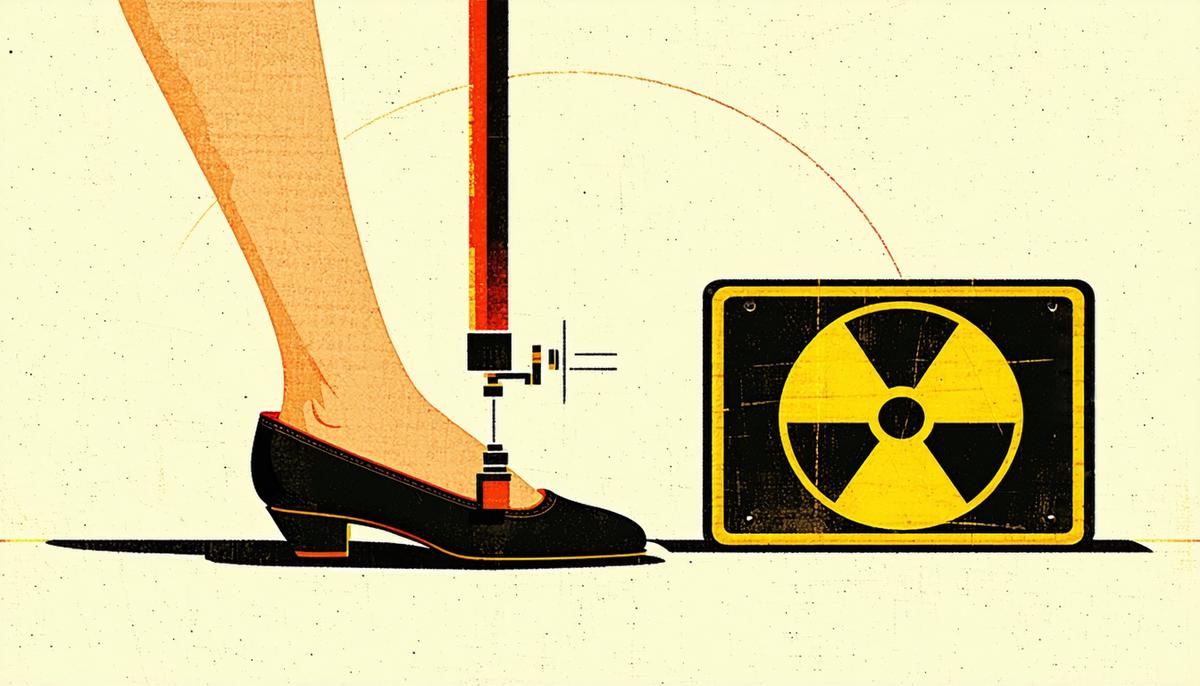
Yet, there was a hidden downside. The fluoroscopes were emitting a hefty dose of radiation. Without adequate shielding, those repeated exposures were setting the stage for potential health risks. Kids and sales clerks, in particular, were unknowingly exposed to these rays far more frequently than was safe.
By the time the 1950s rolled around, regulatory bodies started waking up to the risks, pulling fluoroscopes off the shelves. States like Pennsylvania were first to stamp out the practice, proving how the allure of new technology sometimes overshadowed common sense.
Meet the Men Who Thought X-Raying Your Feet Was a Brilliant Idea
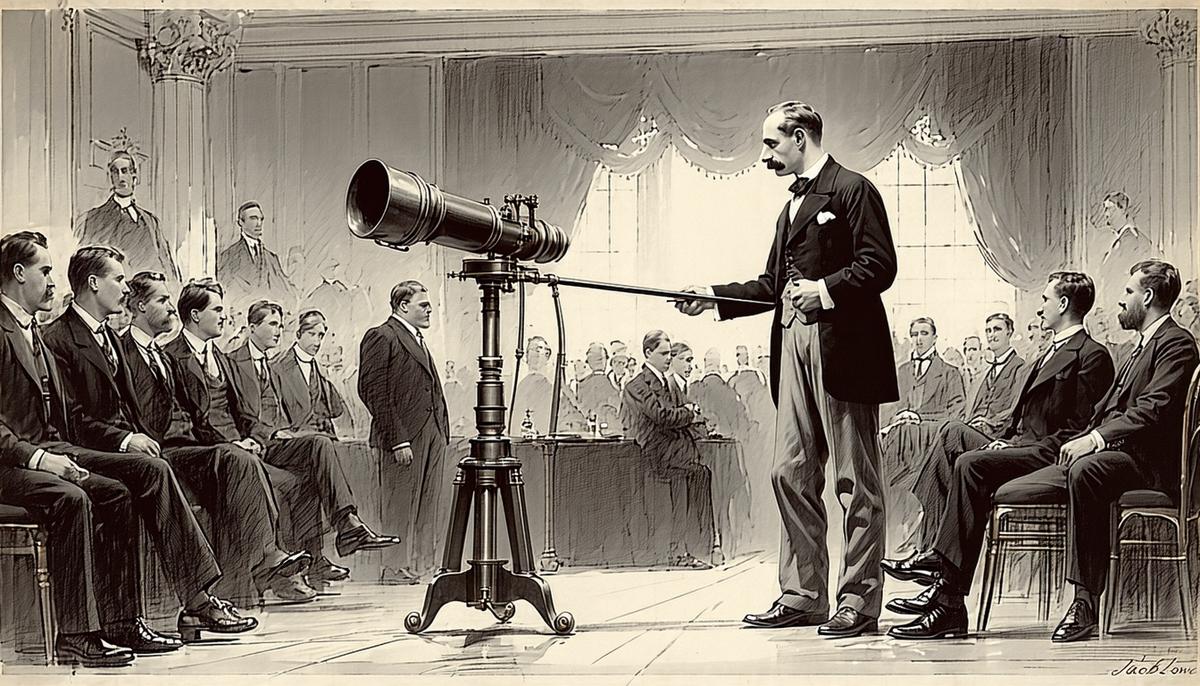
The rise of the shoe-fitting fluoroscope owed much to a few inventive minds. Jacob Lowe, a pioneering figure, had originally created a medical device during World War I to assess injured soldiers. By the 1920s, this morphed into the ingenious shoe-fitting tool. His Foot-o-scope made waves at conventions, and soon families were fascinated by this blend of medical wizardry and shopping convenience.
Matthew Adrian and his brother, Syl, spun their own tale about Matthew being the true genius behind the invention. Then there’s Clarence Karrer from Milwaukee, who claims he made the first unit in 1924, only to have his idea taken.
As the popularity of these gadgets grew, companies like the X-ray Shoe Fitter Corporation and the Pedoscope Company became the big players in the industry. The Pedoscope brand even made its way across the Atlantic to Britain’s store floors. Within a decade, shoe-fitting fluoroscopes had marched triumphantly into shoe stores from the United States to the United Kingdom.
"These devices weren't just machines; they were an experience that turned shoe shopping into a spectacle fit for the atomic age."
Even though modern wisdom raised concerns about their safety, these contraptions captured a moment in time when curiosity, science, and commerce all came together in the vibrant world of 1950s retail.
Radiation Risks and Health Concerns
The shoe-fitting fluoroscope story wasn’t without its dark side. Those nifty machines promised a glimpse into the hidden world within our shoes but came with some serious health risks.
With each curious toe wiggle, feet were subjected to an X-ray dose that would make any health professional today cringe. Scientific evaluations underscored the risks involved, but back then, who was listening? Concerns grew as whispers turned to serious talk about chronic exposure. There were even tales of shoe salespersons showing signs of dermatitis or, in extreme cases, radiation burns severe enough to require amputation.
Regulations were lacking for decades. Guidelines suggesting “No more than 12 exposures per year for children” seemed like an afterthought. Kids and families were unknowingly taking risks with every trip to the local shoe store. The longer these machines stuck around, the greater the danger of leaving kids and clerks exposed to harmful radiation.
Despite growing awareness by the 1950s, it’s surprising these contraptions weren’t recalled sooner. Yet, they endured, a testament to an era where curiosity and innovation sometimes outpaced caution.
How Did It Take THIS Long to Ban Radiation-Filled Shoe Shopping?
As concerns grew, a timeline of regulatory actions unfolded:
- 1930s: Shopping outlets embraced these machines
- 1940s: Reports of potential dangers started surfacing
- 1950s: States unveiled laws and organizations penned safety standards
In 1931, the Advisory Committee on X-ray and Radium Protection (ACXRP) suggested a dose cap of 0.1 r per day. By 1946, the American Standards Association recommended keeping X-ray doses to children’s feet to no more than 2 r per 5-second exposure.
The 1950s saw more decisive action. Pennsylvania led the charge, banning the machines from shoe stores by 1957. The UK followed suit, with the government mulling over legislative measures in 1956 and placing warning signs on the devices by 1958.
By the 1960s, bans on these contraptions became widespread, from Massachusetts to West Germany. As awareness and safety concerns grew, the delightfully dangerous shoe-fitting fluoroscope bowed out of the store scene—a fond memory of the atomic age, but one best left in the past.
As we look back on the era of shoe-fitting fluoroscopes, it’s clear that curiosity and innovation often walked a fine line with safety concerns. The story of these machines remains a colorful chapter in the history of 1950s retail culture, reminding us of a time when the excitement of new technology sometimes outpaced caution.
- Duffin J, Hayter CR. Baring the Sole: The Rise and Fall of the Shoe-Fitting Fluoroscope. Isis. 2000;91(2):260-282.
- Frame P. Shoe-Fitting Fluoroscope (ca. 1930-1940). Oak Ridge Associated Universities Health Physics Historical Instrumentation Museum Collection.
- Williams EM. Roentgen-ray Burn Resulting from Shoe-fitting Machine. JAMA. 1949;139(3):152.