
Durability of 1950s Appliances
In the 1950s, appliances were built to last. The KitchenAid stand mixer, designed by Egmont Arens, became a classic that's still going strong today. These mixers could be opened up and fixed with the right parts, making them more like family heirlooms than disposable gadgets.
Vacuum cleaners got upgrades like longer cords and disposable bags, making housework easier. Fridges were made of sturdy steel with minimal electronics, focusing on keeping things cool without fancy features. Washing machines were solid pieces of engineering that could handle daily wear and tear.
Other durable goods included:
- Riding mowers
- Outdoor grills
- TVs
Manufacturers used real metal and heavy parts, building appliances to last. This wasn't just about making sales; it was about creating products that would stand the test of time.
Cultural Shifts in Domestic Life
The 1950s saw a shift towards suburban living, with rows of ranch-style houses popping up across America. This transition brought changes to family dynamics and gender roles. Men returned from war to desk jobs, while women were encouraged to focus on homemaking.
Suburbs offered space and security for raising families, complete with schools, churches, and parks nearby. These communities fostered a sense of togetherness and emphasized family-centric values.
Inside these homes, traditional roles were reinforced. Dads had their basement projects, while moms managed the household. Kitchens became the heart of the home, where relationships grew over home-cooked meals.
The era emphasized strengthening bonds through activities like:
- Backyard barbecues
- Sunday picnics
This focus on family and community helped shape the cultural landscape of the time.

Technological Advancements and Consumerism
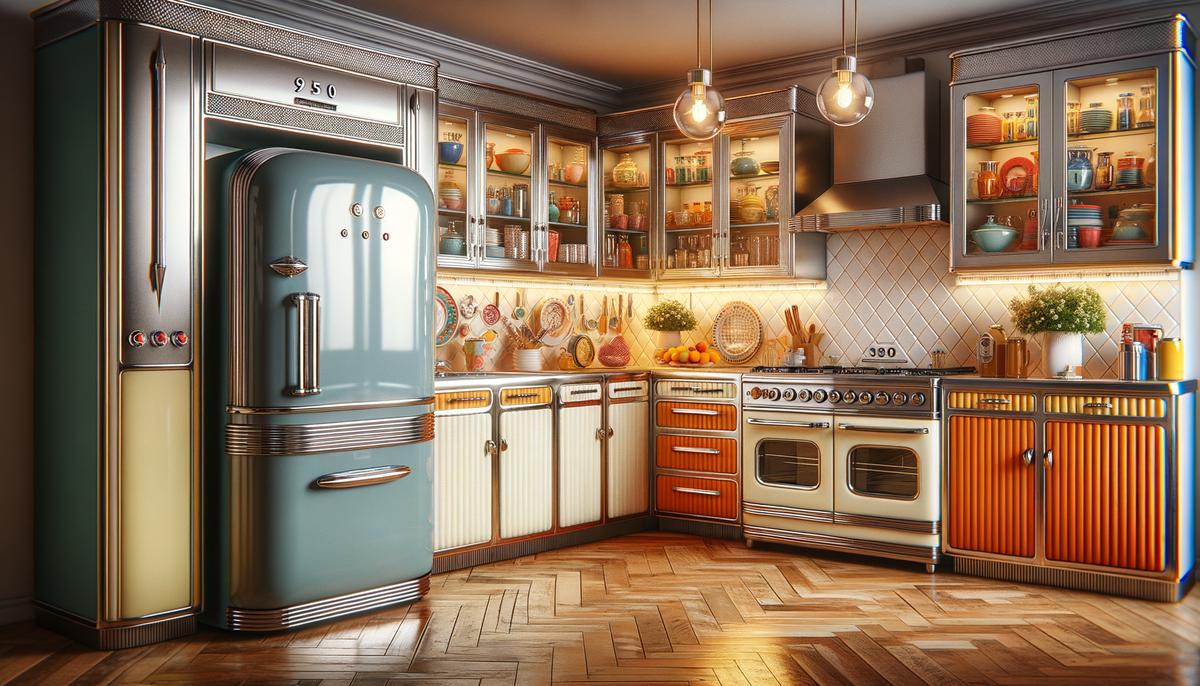
The 1950s saw a boom in household technology. Kitchens were filled with new appliances like colorful refrigerators, toaster ovens, and mixers. These gadgets transformed how families stored and prepared food.
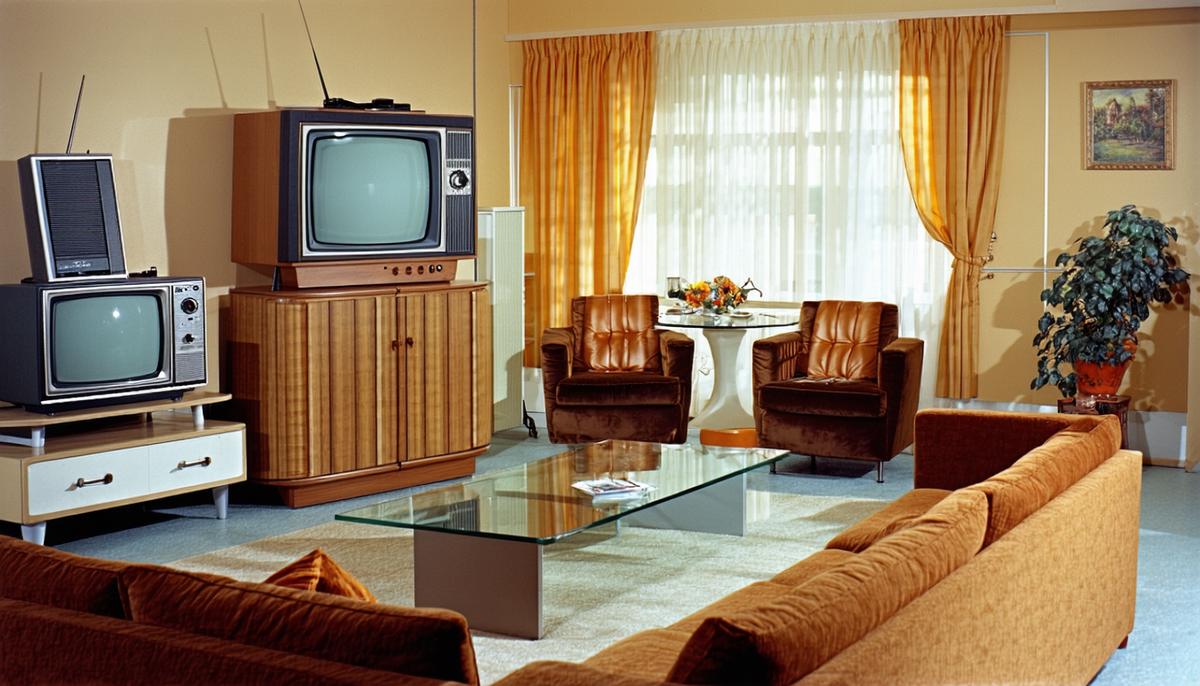
Television sets became the centerpiece of living rooms, changing how families spent their evenings. These technological advancements fueled a growing consumer culture, with advertisements promoting the latest must-have items.
As these innovations became more common, they influenced lifestyle changes. Kitchens evolved from purely functional spaces to social hubs. Entire homes were designed with these new appliances in mind, reflecting the era's focus on progress and convenience.
These technological advances promised an easier future with more leisure time. They became symbols of a new way of life, shaping both consumer choices and cultural values in post-war America.
Legacy of 1950s Design and Functionality
The influence of 1950s design continues to be felt in modern homes. Elements like low-slung roofs, large windows, and open floor plans remain popular. Retro-inspired appliances, such as Smeg's colorful fridges, blend vintage charm with modern functionality.
Designers today often incorporate 1950s aesthetics, using:
- Chrome accents
- Vibrant colors in kitchens and living spaces
The era's focus on combining form and function still resonates, with many appreciating the thoughtful design of mid-century furniture and decor.
This ongoing fascination with 1950s style reflects a desire for the simplicity and intentionality of that era. It serves as a reminder that good design can be both practical and beautiful, creating spaces that are not just houses, but homes.
The 1950s left a lasting mark on how we think about design and functionality. The era's focus on creating durable, well-designed products continues to inspire us today, reminding us of the value in making things built to last.
- Cowan R. More Work for Mother: The Ironies of Household Technology from the Open Hearth to the Microwave. Basic Books; 1983.
- Population Reference Bureau. The Baby Boom Cohort in the United States: 2012 to 2060. U.S. Census Bureau; 2014.
- Environmental Protection Agency. Advancing Sustainable Materials Management: 2018 Fact Sheet. EPA; 2020.