
Silent Generation at Work
In the 1950s, the Silent Generation filled offices and factories across America. They viewed their jobs as more than just a paycheck – it was about building a reliable future. These workers didn't rock the boat much. Instead, they followed the rules and met expectations.
Trust in employers was strong back then. You clocked in, did your job, and clocked out, feeling good about a day's work. It wasn't just about money; it was about believing in the system.
The Silent Generation's work ethic was impressive. Their loyalty to companies was like the foundation of a new suburban home. Employers often rewarded this with promises of lifelong employment.
- Teamwork was important
- Every role, no matter how small, was valued
- Following rules led to stability
- Stability gave people a sense of purpose
Job-hopping was rare. Workers took pride in fitting into the bigger corporate picture. Even if the work was sometimes repetitive, they believed their efforts were part of something greater.
Their dedication set a standard where honesty and purpose weren't just buzzwords, but a shared belief in the workplace.
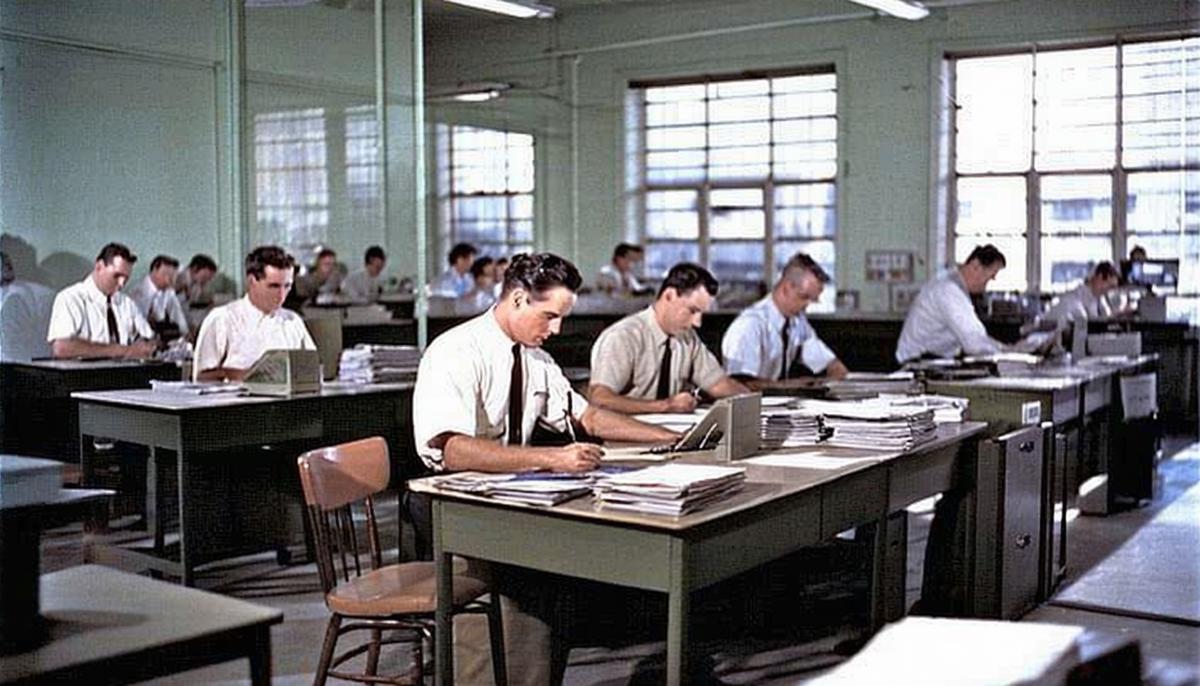
Impact of WWII on the Workforce
After WWII, the workforce was buzzing with energy. Veterans traded uniforms for work clothes, bringing discipline and a desire to contribute. They fit right into jobs that needed their steady dedication.
Women who had stepped up during the war didn't step down. They found new opportunities in industries that were once off-limits. Offices, factories, and labs were filled with women ready to make their mark.
The postwar economy was full of life and possibility. Jobs weren't just plentiful; they felt meaningful. People felt part of a big effort to build and innovate.
"They talked about our generation not knowing what it was like to fight and struggle," – Mel Bloom, reflecting on older workers' views of the Silent Generation.
Veterans and women in the workforce brought unique talents that kept things moving in fresh ways. There was excitement in the air, from drafting rooms to boardrooms.
As the economy grew, so did job opportunities. Every role seemed to push the nation toward a brighter future. Work wasn't just about paying bills – it sparked national pride and personal importance.
These postwar workers believed in the value of hard work and integrity. With each paycheck, they felt they were stitching together a piece of the American dream.
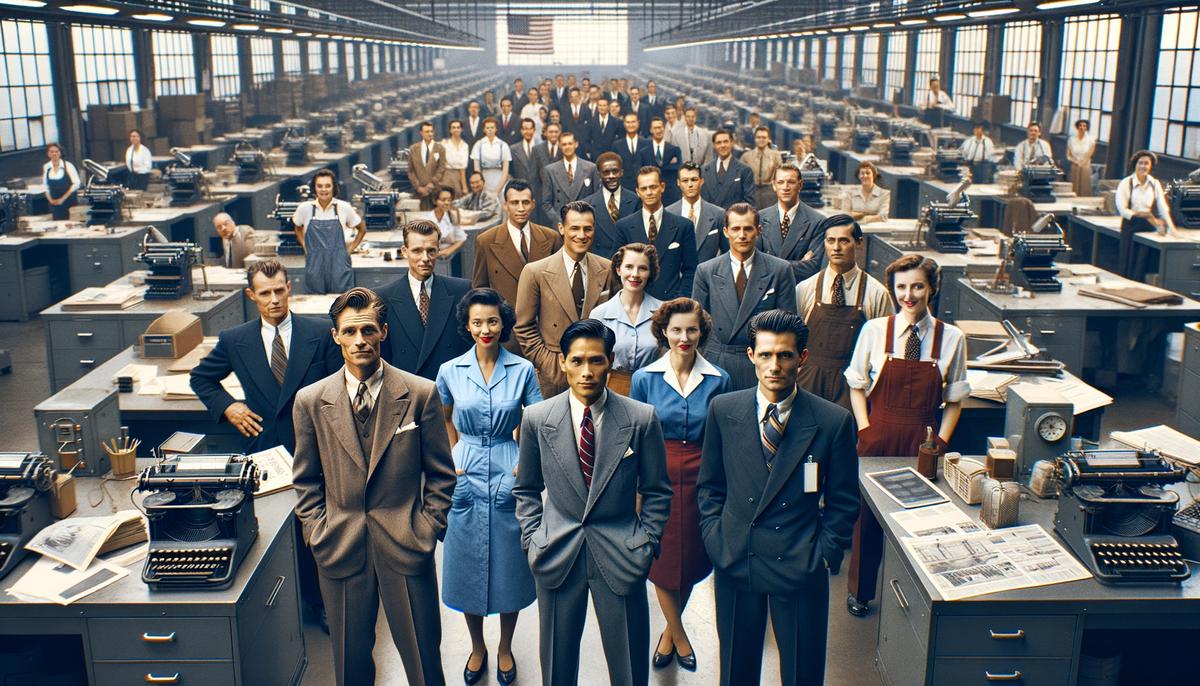
Evolving Office Life
1950s offices were all about sharp suits, polished shoes, and neat hair. Dress codes and formal structures showed the values of the Silent Generation. The workplace became a symbol of dependability and ambition.
Knowing your place in the office hierarchy was important. Moving up the ranks could earn you the ultimate prize: a cozy suburban home with a white picket fence.
| Men's Attire | Women's Attire |
|---|---|
| Suits and ties | Neat dresses or skirts and blouses |
As more people moved to the suburbs, it wasn't just about changing addresses. It meant you'd "made it." Work became linked to dreams of peaceful weekends at home.
White-collar jobs brought a new work culture that valued teamwork. People took pride in their roles, seeing them as more than just a way to earn money. Work gave people identity and respect.
But it wasn't all about personal success. These jobs were chances to be part of something bigger, helping drive America's growth after the war. Moving from factory work to office jobs showed how the country was changing.
In the end, 1950s office workers found purpose in their daily tasks. Each day at work felt like another step toward the American Dream.
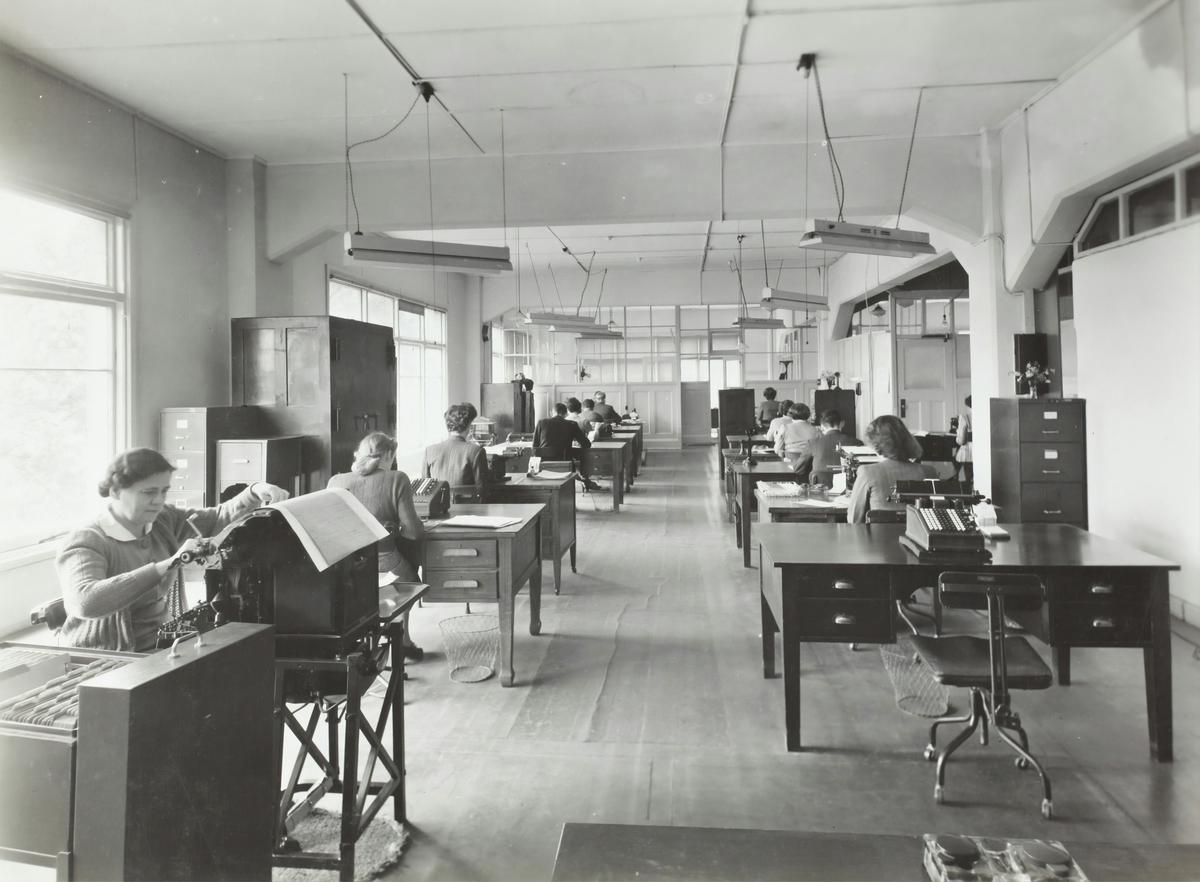
Photo by museumsvictoria on Unsplash
Reflecting on the steadfast dedication of the Silent Generation, one can't help but admire their unwavering commitment to work and community. Their legacy, built on trust and purpose, continues to inspire a sense of unity and integrity in today's workforce.
- Howe N. LifeCourse Associates. Generational dynamics in the workplace.
- Dubofsky M. Binghamton University. Labor history in post-war America.
- Smith M. The Personnel Journal. Older Workers' Efficiency in Jobs of Various Types. 1953.
- U.S. Census Bureau. 1950 United States Census.
- Friedman R. The Best Place to Work: The Art and Science of Creating an Extraordinary Workplace. New York: Perigee; 2014.