
Historical Foundations of Customer Service
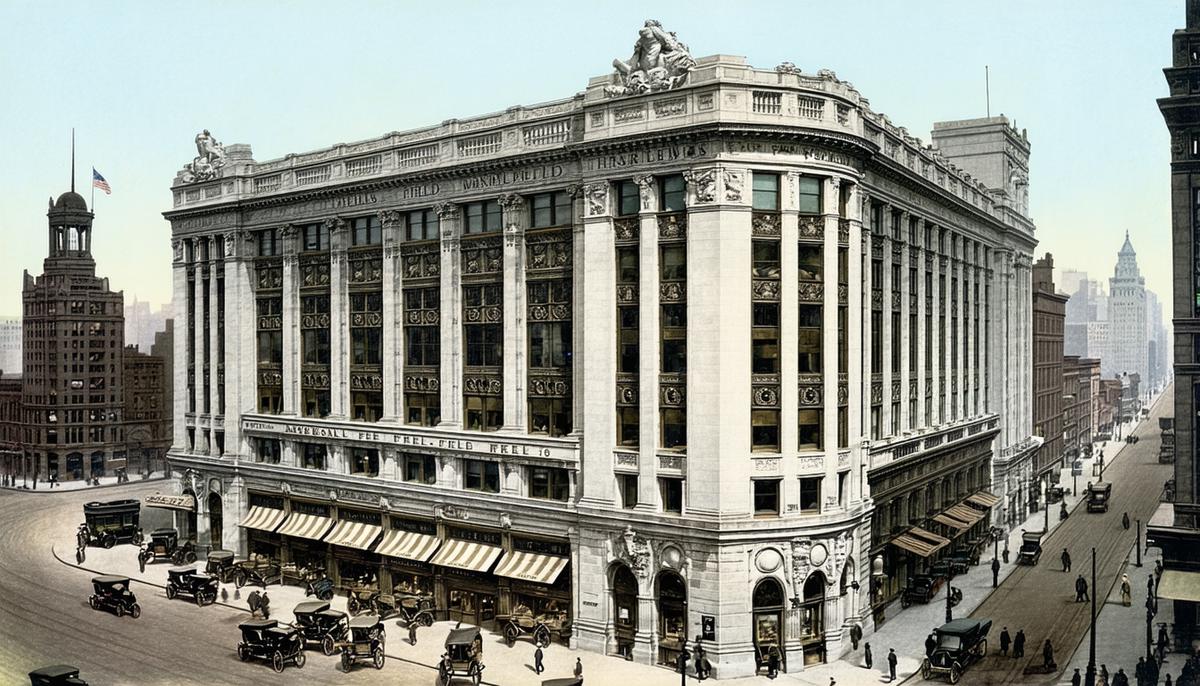
Back in the early 1900s, retail pioneers like Marshall Field and Harry Gordon Selfridge came up with a catchy motto: "The customer is always right." This wasn't about customers never making mistakes. It was more about showing folks they mattered, even if they were trying to return something without a receipt. Staff were taught to treat every customer like royalty.
Picture walking into a store and being greeted like an old friend instead of feeling watched. That was the magic these retailers worked. They built shopping experiences where people felt appreciated. Competition among stores like Field's and Selfridge's was fierce, so each visit was a chance to outshine the competition.
This approach spread across the Atlantic when Harry Selfridge opened his famous London department store. Soon, it sparked a retail revolution. Shoppers weren't just numbers; they became guests. Ritz hotels joined in, setting standards with "The customer is never wrong." They knew that fixing guests' problems quickly meant repeat business.
While this customer-friendly approach has faded a bit over time, its core idea – respecting the customer's role in business success – is still key to good service today.
1950s Personal Touch in Customer Service
The 1950s were a golden age for personal service. Walking into your local store, you weren't just another face – the shopkeeper knew your name and greeted you warmly. Small businesses were community hubs where relationships mattered as much as sales.
Your local bakery remembered your favorite bread, and the butcher saved the best cuts for you. This personal touch thrived in an era of close-knit neighborhoods and face-to-face interactions. With post-war prosperity, folks had more to spend, and businesses competed by offering top-notch service.
Imagine a typical shopping experience:
- A tailor chatting with you about your preferences while measuring for a perfect fit
- A soda fountain server who knew exactly how you liked your cherry cola
- The milkman leaving extra cream on your birthday
These simple gestures built strong customer loyalty. While we can't turn back time, there's something to learn from this era of personal service. Whether you're in a retro diner or browsing online, feeling like you matter never goes out of style.

Transformation in Service Post-1950s
As we moved past the 1950s, big changes hit customer service. Corner stores gave way to sprawling supermarkets and shopping centers. Convenience became king, but personal service took a backseat.
Gone were the days when the baker knew your name. Instead, you'd push a cart through long aisles, ending up at beeping checkouts. Technology promised efficiency but lost that cozy familiarity. Cash registers calculated without error, and self-service lanes sped things up.
Supermarkets focused on cutting wait times to boost profits. But with this efficiency came a loss of human touch. Larger stores offered more choices, but less interaction. It's like swapping a home-cooked meal for a TV dinner – filling, but missing that warmth.
Technology brought gifts like self-checkouts and conveyor belts. Customers saved time, even if it meant missing out on small-town chats. While we gained convenience, we lost some of that genuine connection.
As we enjoy today's quick-click solutions, there's still a hint of nostalgia for when service went beyond efficiency. Maybe that reminds us that while progress is good, a touch of warmth never goes out of style.

Modern Adaptations in Customer Service
Today, customer service has gone digital. We've got online surveys popping up faster than you can say "feedback" and instant rating systems everywhere. Customers share their thoughts in real-time, and businesses use this info to improve quickly.
Social media has become a big player. If someone doesn't like their coffee, it might be all over Twitter before they leave the shop. But when businesses handle things well, it can lead to great publicity.
Companies are trying to balance high-tech efficiency with that old-school personal touch. They're using things like:
- Chatbots that greet you by name
- Algorithms that suggest products based on your style
- Personalized email marketing campaigns
It's like having a friendly robot as your personal shopper. The challenge is keeping that human warmth in a digital world. Smart businesses know that making customers feel valued never goes out of fashion, whether it's through a screen or in person.
So while we've come a long way from the days of handshake deals, the idea that customers want to feel recognized and respected is still top of the charts.

As we journey through the history of customer service, it's clear that the essence of genuine care and personal connection has stood the test of time. While technology continues to shape our interactions, the heart of service remains rooted in making people feel valued. Perhaps that's a timeless lesson worth remembering.
- Ogilvy D. Confessions of an Advertising Man. Southbank Publishing; 1964.
- Sears, Roebuck, and Co. Publication. 1905.
- Quote Investigator. The Customer Is Always Right. QuoteInvestigator.com.