
What if your car never needed gas?
No more fuel stops. No more high prices at the pump. Just thousands of miles of uninterrupted driving—powered by a tiny nuclear reactor sitting right behind your seat.
In 1957, Ford imagined a world where gas stations were obsolete and highways were filled with silent, radiation-shielded cars gliding effortlessly from coast to coast. It wasn’t science fiction—it was the Ford Nucleon, the concept car that dared to bring atomic energy to the open road.
But how close did we really come to nuclear-powered commuting? Could a reactor ever be small enough—and safe enough—to fit inside a family sedan? And if this futuristic vision had come true, what kind of world would we be living in today?
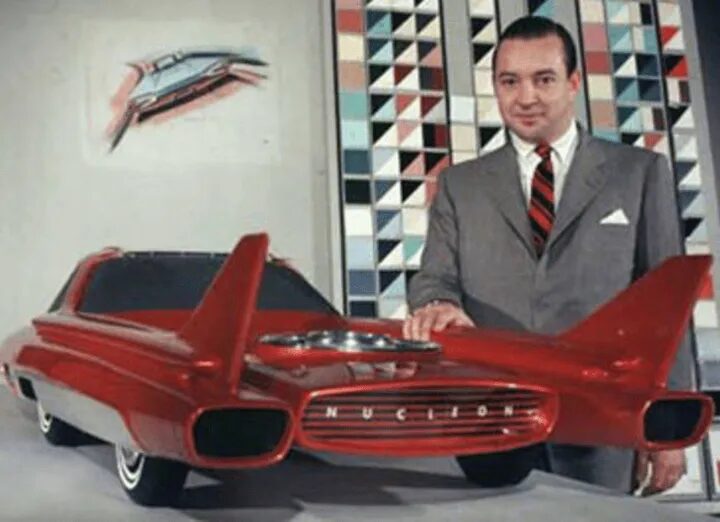
The Ford Nucleon: A Visionary Concept
The Ford Nucleon was a wild concept car dreamed up in 1957, riding the wave of nuclear enthusiasm. Sporting a tiny nuclear reactor at the back, this machine promised thousands of miles before needing a “refuel.” Ford imagined a future where recharging stations replaced gas pumps, and you’d swap out your reactor like changing a battery.
Reality had other plans, though. The project never made it past a scale model. At the time, folks thought nuclear reactors could shrink down to car size, with clever radiation shielding to boot. Talk about ambitious!
Now, the Nucleon’s tiny model sits pretty in the Henry Ford Museum, a reminder of yesterday’s vision of tomorrow. It even inspired the Fallout game series’ Chryslus Corvega Atomic V8, poking fun at how out-there the concept really was.
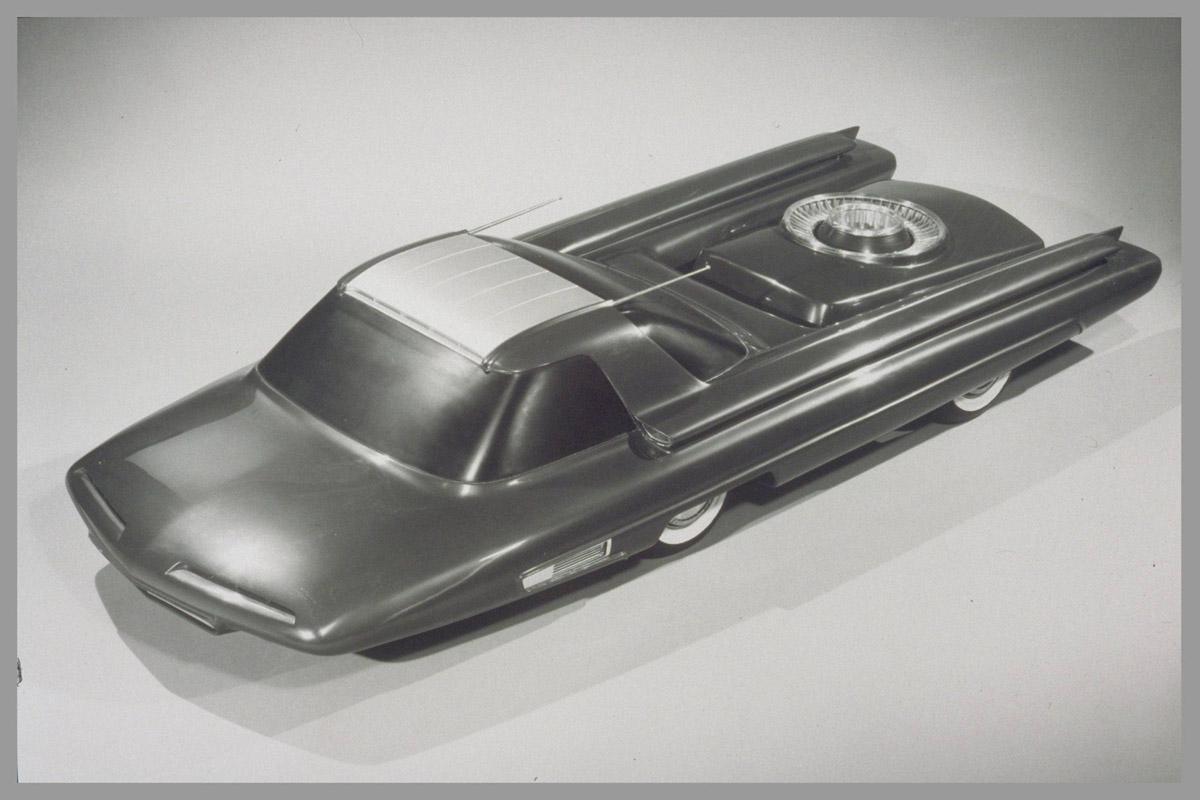
Technical Challenges and Safety Concerns
As cool as the Ford Nucleon sounded, reality threw some serious roadblocks in its path. Miniaturizing a nuclear reactor isn’t as simple as squeezing a genie into a bottle. These reactors need tons of shielding to keep radiation at bay, which would make the car heavier than a tank.
Safety hazards were a big deal, too. Imagine a fender bender with a nuclear-powered car! The idea of radiation exposure during the morning commute is enough to make anyone’s hair stand on end. And let’s not even think about what could happen if someone decided to tinker with that reactor.
In the end, the limitations of the nuclear age hit the brakes on these atomic dreams. While the Nucleon model chills in its museum showcase, we’re left with a killer story straight out of a 1950s sci-fi flick.
Key Challenges:
- Miniaturization of nuclear reactors
- Excessive weight due to radiation shielding
- Safety concerns in case of accidents
- Risk of radiation exposure
- Potential for misuse or tampering
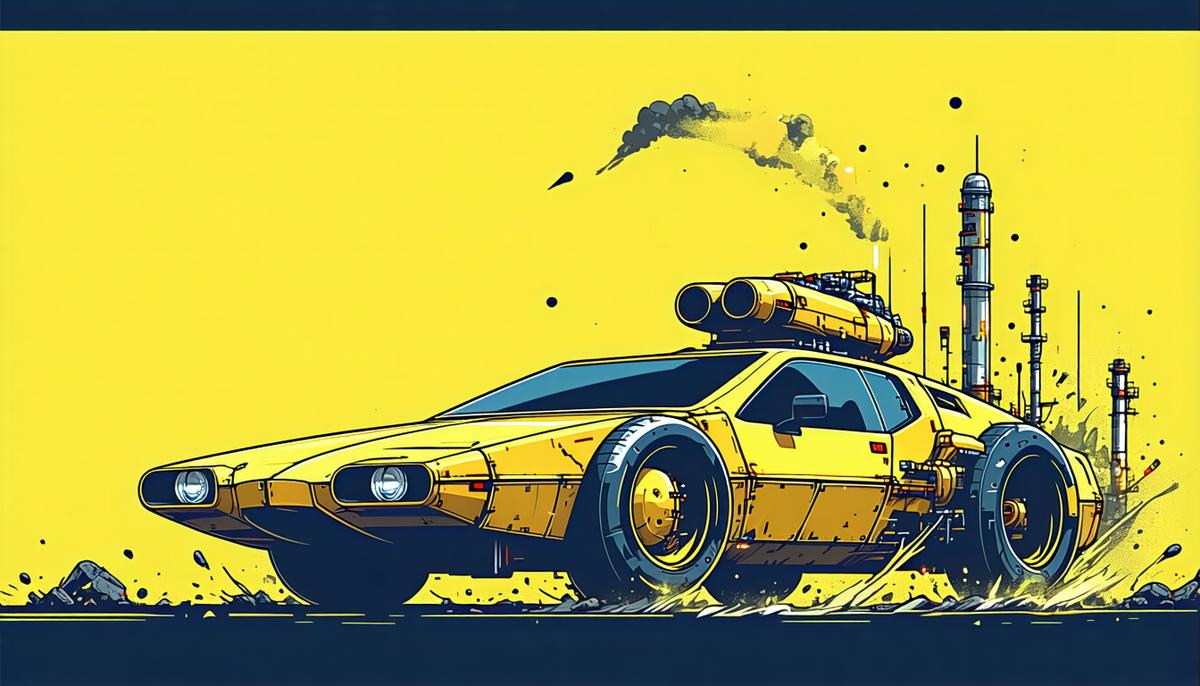
Cultural Impact and Fantastical Aspirations
Back in the 1950s, the world was buzzing with nuclear possibilities. Sci-fi flicks painted wild pictures of jetpacks and flying cars, and the Ford Nucleon fit right in with that starry-eyed optimism.
Fresh out of World War II, society was eager to use atomic power for good. The idea of nuclear-powered cars captured the spirit of possibility, promising a future where energy was as limitless as a teen’s imagination. It wasn’t just about performance or pollution—it was about hope.
On TV and in print, the Ford Nucleon was marketed as the ultimate futuristic ride. It was like science fiction shaking hands with reality, a mechanical Marvel superhero ready to save us from car troubles and traffic jams.
While the Nucleon never hit the streets, it symbolizes one of those gloriously wild 1950s might-have-beens. It’s a testament to what happens when ambition and imagination join forces on the open road.
"The notion of a car freed from fueling constraints, capable of traversing thousands of kilometers on a single nuclear 'tank,' dazzled imaginations."
Lasting Inspirations and Impractical Reality
The dream of nuclear-powered cars still pops up in pop culture, like in the “Fallout” video game series. It’s a reminder of how over-the-top our hopes for a nuclear future once were.
Today, as we focus on clean energy and electric cars, the idea of cruising in a nuclear-powered ride feels more like science fiction than ever. Modern tech has come a long way, but we’re still far from popping mini reactors under our hoods.
Those 1950s dreamers couldn’t have known how many safety regulations and practical challenges would stall their atomic car plans. While nuclear tech has made strides in other areas, it’s still not ready for your daily commute.
Even though the nuclear car dream fizzled out, it’s cool to think about how these wild ideas keep sparking our imaginations. The Ford Nucleon reminds us to keep pushing for cleaner, smarter ways to get around—even if they’re not quite as zany as an atomic-powered ride.
Reasons Nuclear Cars Remain Impractical:
- Radiation shielding requirements
- Safety concerns in accidents
- Regulatory hurdles
- Public perception and fear
- Advancements in alternative clean technologies
As we look back at the Ford Nucleon, it stands as a symbol of a time when dreams knew no bounds. It reminds us that even the most ambitious ideas can spark our imagination and push us to think beyond the ordinary. Though it never hit the road, its legacy lives on in our continued quest for innovation and progress.
- Meyers K. The health effects of atmospheric nuclear weapons testing: evidence from the United States. Environ Res Lett. 2020;15(3):034003.
- Reuben A, McFarland M, Hauer M. Association of childhood lead exposure with adult personality traits and lifelong mental health. PNAS. 2019;116(26):13076-13081.