
Before Gene Hackman ruled Hollywood, he was a young Marine searching for purpose. Discharged in the early ‘50s, he drifted through odd jobs before starting to pursue acting in 1956. The road wasn’t easy. He hustled, took small roles, and built the grit that would define his legendary career.
Decades later, his name is back in headlines – not for a comeback, but for a chilling mystery. Found dead in his Santa Fe home under puzzling circumstances, Hackman’s final act leaves more questions than answers. What really happened? And how does it shape his towering legacy?
Early Life and Career Beginnings
Born in San Bernardino, California, on January 30, 1930, Eugene Allen Hackman didn’t start life with a silver spoon. Before gracing the silver screen, Hackman joined the U.S. Marine Corps in 1946, serving for five years. After his military stint, he dove into acting in 1956, setting his sights on stage and film.
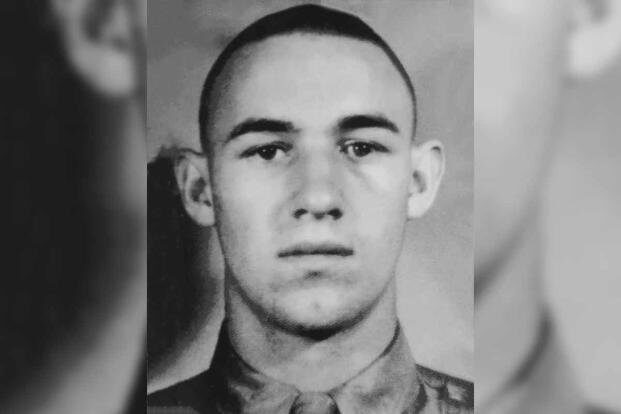
Hackman’s big break came with “Bonnie and Clyde” in 1967, a significant stepping stone. “I Never Sang for My Father” in 1970 showed his range and depth. With each role, he honed his skills, gaining recognition for his talent. His rise wasn’t overnight but a testament to years of dedication, which paid off in spades.
Peak Career and Acclaimed Roles
The 1970s saw Hackman transition from promising actor to Hollywood heavyweight. His performance in “The French Connection” (1971) as Detective Popeye Doyle won him the Academy Award for Best Actor. In “Unforgiven” (1992), he nabbed another Oscar for Best Supporting Actor as the sinister Little Bill Daggett.
Hackman also played the iconic villain Lex Luthor in the “Superman” films, blending humor and menace. His performances in “The Conversation” (1974) as paranoid surveillance expert Harry Caul, and “Hoosiers” (1986) as determined basketball coach Norman Dale, further showcased his versatility.
Through his career, Hackman proved he could carry any film, regardless of theme or scope. His ability to slip into vastly different roles without breaking stride left an indelible mark on cinema, paving a path for future generations of actors.

Retirement and Literary Pursuits
In 2004, Gene Hackman retired from acting after “Welcome to Mooseport,” citing health concerns. He chose Santa Fe, New Mexico for a quieter life away from the bustle of movie sets.
Even in retirement, Hackman’s creative spirit persisted. He embarked on a literary journey, teaming up with Daniel Lenihan to write historical fiction. His works include:
- “Wake of the Perdido Star” (1999)
- “Justice for None” (2004)
- “Escape from Andersonville” (2008)
He also ventured into solo writing with “Payback at Morning Peak” (2011) and “Pursuit” (2013).
Hackman’s transition from acting to writing showcased his endless curiosity and adaptability. While he stepped away from Hollywood, he never abandoned artistic expression, proving that his talent extended beyond the silver screen.
Personal Life and Relationships
Gene Hackman’s personal life was marked by rich relationships and family. He married Faye Maltese in 1956, and they had three children. In 1991, Hackman tied the knot with Betsy Arakawa, a union that lasted thirty years.
Life in Santa Fe allowed Hackman to indulge in new pursuits. He took up painting, while Betsy, a classical pianist, brought music into their home. This quieter life offered a balance to his earlier years in the spotlight.
Despite the peculiar circumstances surrounding his and Betsy’s deaths, it’s the life they built together that truly exemplifies Hackman’s story—a reminder that he lived fully, both in the bright shine of the spotlight and in the quiet shadows of his artistic retreats.
Mysterious Death and Legacy
Gene Hackman’s final chapter is wrapped in mystery. The two-time Oscar winner and his wife, Betsy Arakawa, were found dead in their Santa Fe home after reportedly being there for days, along with one of their dogs. Authorities found no signs of foul play, but the scene raised unsettling questions – Hackman’s pacemaker had stopped nine days earlier, Arakawa’s body showed signs of mummification, and prescription pills were scattered near her.
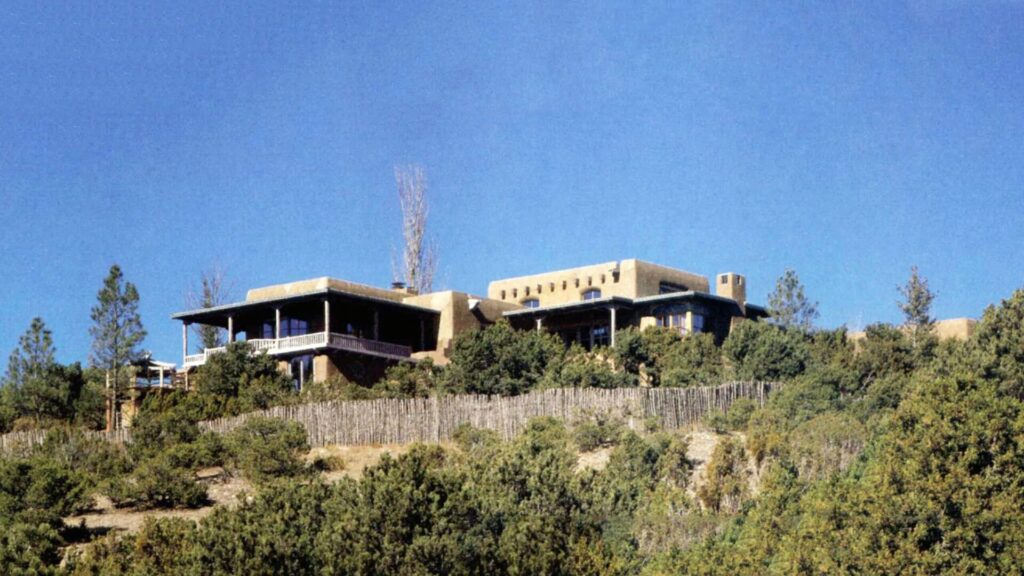
Forensic experts suggest Hackman may have suffered a fatal cardiac event, with Arakawa possibly collapsing while trying to help him. But with so many unanswered questions, Hollywood and fans alike are left wondering – was it simply a tragic accident, or does the mystery run deeper?
This unexpected event prompted a flood of tributes celebrating Hackman’s rich artistic contributions. Colleagues like Francis Ford Coppola led remembrances, honoring the man who could inhabit any role with unparalleled depth. From Popeye Doyle to Royal Tenenbaum, Hackman’s legacy is as varied as it is profound.
"The loss of a great artist, always cause for both mourning and celebration: Gene Hackman a great artist, inspiring and magnificent in his work and complexity. I mourn his loss, and celebrate his existence and contribution." – Francis Ford Coppola
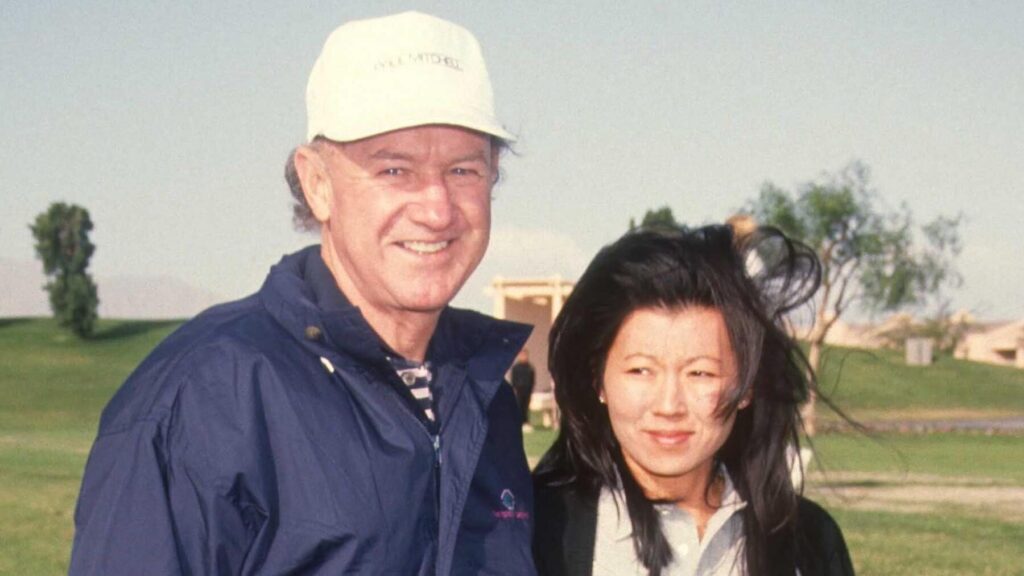
While the nature of his death adds a solemn note, Hackman’s enduring legacy shines through. He remains an icon—a master storyteller on screen and in writing. His work continues to captivate and inspire, serving as a reminder of the power of storytelling and the lasting impact one person can have.
Gene Hackman’s journey through life and film leaves a lasting mark on the hearts of many. His ability to bring characters to life with such authenticity ensures that his legacy will continue to inspire future generations. As we remember his contributions, we’re reminded of the power of storytelling and the impact of dedication and passion.
- Reuters. Gene Hackman confirms retirement from acting. 2008.
- Empire Magazine. Interview with Gene Hackman. 2004.
- GQ Magazine. Interview with Gene Hackman. 2011.
- Santa Fe New Mexican. Gene Hackman, wife found dead in Santa Fe home. 2024.