
Imagine being a teenager in the 1950s, when the economic landscape offered a rare ticket to early independence. In a booming era of post-war optimism, a fortunate group of youth reaped benefits that many can only dream about – even though opportunities weren’t equal for everyone.
This isn’t your typical nostalgia trip; it’s a deep dive into an era where lucrative gigs and early independence came at a controversial cost.
Economic Advantage of the 1950s Teens
The 1950s brought a unique opportunity for teenagers. Kids born during the Great Depression became lucky ducks of their time, thanks to low birth rates. With fewer competitors for jobs, these teens found themselves in a sweet spot.
Jobs in the 50s weren’t just after-school gigs either. They paid well, and folks were cool with letting kids keep their dough. Imagine all that cash going straight to your piggy bank instead of college textbooks!
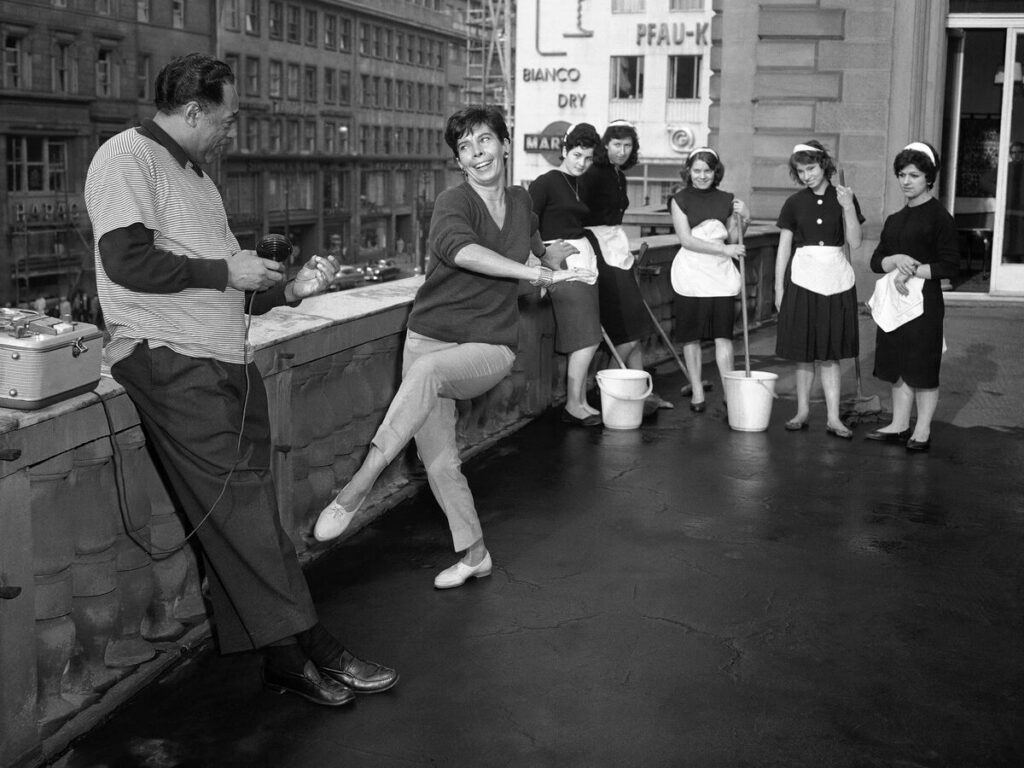
Now, this wasn’t the same for everyone. The lucky gang was mostly white kids. Magazines often glossed over the stories of minority groups, even though they were living in the same America.
These teens learned something valuable – making their own way with confidence. Like barn cats prowling the countryside, they gained skills beyond just counting pennies.
In short, 1950s teenagers stepped into a world full of opportunities. With plenty of job options and money to pocket, they grew up quicker and more independently than perhaps any teen group before or after.
Cultural Snapshot of the 1950s Youth
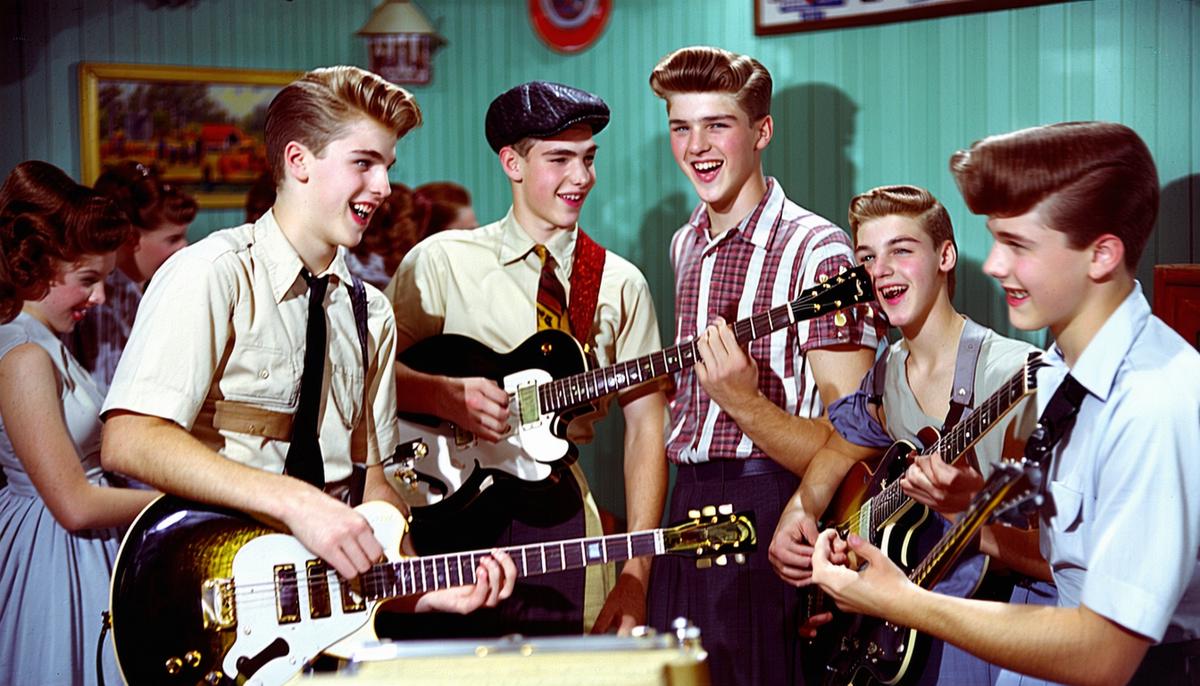
LIFE magazine played storyteller to the nation, showcasing these teens as the “Luckiest Generation.” They painted a picture of white teens cruising in Cadillacs, exuding confidence as high as their pompadours.
This was the age of Rock ‘n Roll – a time when rebellious tunes shook the airwaves and sent shivers down the spines of squares nationwide. Teens embodied a mix of freedom and assurance, wrapped in poodle skirts and letterman jackets.

But flip to another page, and you’ll notice the absence of color – literally and figuratively. LIFE’s portrayal mirrored only a slice of American reality, often skipping over the rich diversity of the nation.
These young folks strutted through life knowing where they were heading, whether to the local sock hop or into the workforce. Their economic freedom gave them a confidence that’s hard to bottle – a trait that might have earned them the ‘luckiest’ title.

The teens of the 50s were explorers of culture and captains of their destiny, becoming both a product of their time and architects of the promising world around them.
Social Implications and Historical Context
The “Luckiest Generation” didn’t appear out of thin air. They grew in a world shaped by history, where opportunity and challenge grew side by side.
This was a time of post-war prosperity, with America shaking off the Great Depression’s shadows. Jobs were on the rise, and white working- and middle-class teens were riding high. But was this ride smooth for everyone? Not quite.
The nation’s socio-economic landscape was like a layer cake, with each tier separated by race and privilege. White teens got to taste those sweet opportunities first, much like being first in line at the ice cream stand.
For many others, especially minority groups, this era wasn’t the Rock ‘n Roll fantasia seen on magazine covers. Opportunities often remained out of reach, leaving a gap echoing with inequalities. Yet, amidst struggles, resilience blossomed and voices began to find their chorus.
These teens weren’t just existing in a bubble of 1950s prosperity. They were at the forefront of change. Their economic freedom set the stage for the activism and social shifts that would grow in decades to follow.
Ultimately, while these youths unveiled a new chapter of independence and opportunity, society’s structures were still unevenly crafted. The 1950s shaped a generation not just of luck, but of lessons too – a bridge to conversations we’re still having today.
In the grand picture of the 1950s, teenagers found themselves in a landscape rich with opportunity and growth. With fewer peers competing for jobs and a culture that celebrated their independence, they thrived in ways that set them apart from other generations. This era wasn’t just about economic prosperity; it was about shaping lives with confidence and self-reliance, crafting a legacy that continues to resonate today.