
Origins and Context of the Lavender Scare
The 1950s wasn’t all rock ‘n’ roll and soda fountains. Behind the scenes, America was dealing with the Lavender Scare.
After World War II, the Cold War kicked off a wave of paranoia. Senator Joseph McCarthy claimed Communists were hiding in the government. But he didn’t stop there – he also targeted gay federal workers in what became known as the Lavender Scare.
McCarthy, FBI boss J. Edgar Hoover, and lawyer Roy Cohn led a campaign against those they called “security risks.” They claimed gay people had “peculiar mental twists” that made them untrustworthy. This blended with the Red Scare, painting homosexuals as potential Communist subversives.
President Eisenhower’s Executive Order 10450 added “sexual perversion” to reasons for firing federal employees. Officials used vague terms like “moral weaklings” and “sexual misfits” instead of directly saying “homosexual.”
Government workers lived in fear of being investigated and disgraced. Committees like the Hoey Committee claimed “sex perverts” threatened national security. Both Republicans and Democrats pushed this agenda.
The effects spread beyond D.C., impacting areas like education nationwide. But some fought back, like Frank Kameny who challenged his dismissal in court.
The Lavender Scare was a coordinated attack on the LGBTQ+ community, forcing many into silence and fear. It’s a dark chapter often overlooked in nostalgic views of the 1950s.
Impact of Executive Order 10450
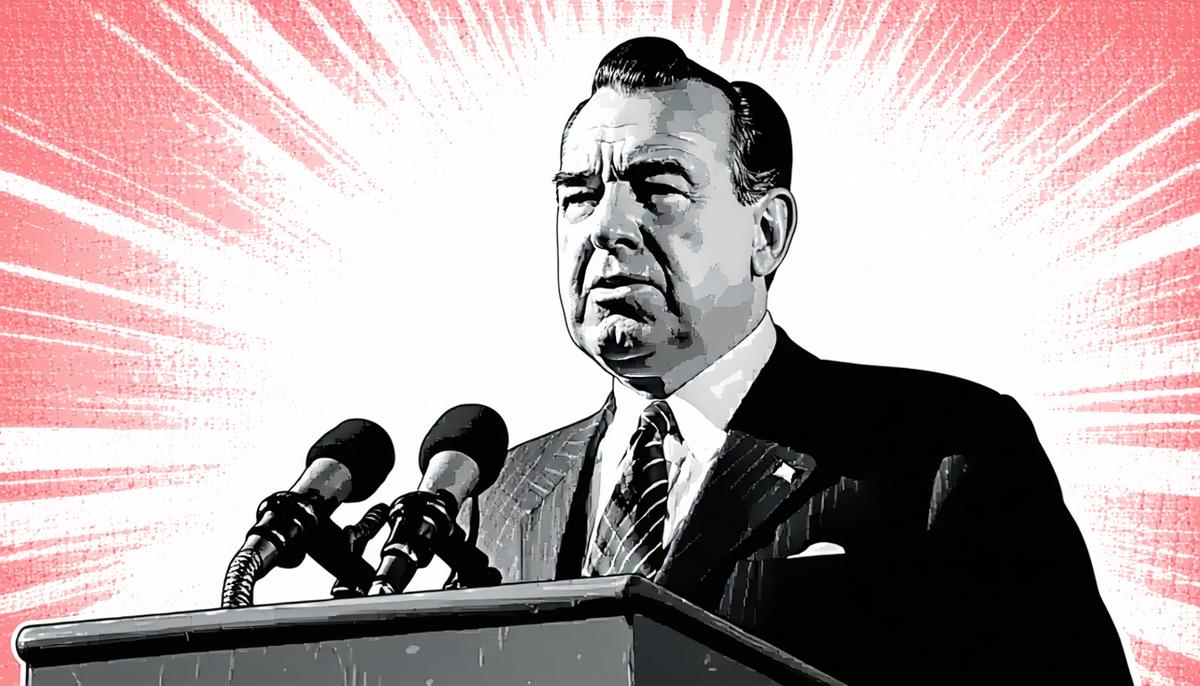
President Eisenhower’s 1953 Executive Order 10450 was a game-changer. It listed criteria for “security risks,” including “sexual perversion” – a catch-all term targeting LGBTQ+ individuals.
The result? About 5,000 people lost their federal jobs. But the effects went beyond D.C., spreading fear across the country.
For the LGBTQ+ community, the consequences were severe:
- Careers were ruined
- Lives were thrown into chaos
- Many chose to hide their identities
- The search for community and companionship was abandoned
The order’s impact lasted long after the 1950s, creating barriers to acceptance and understanding for decades. While we often remember the decade’s fun and fashion, the effects of Executive Order 10450 lingered like a bad tune you can’t forget.

Congressional Investigations and Reports
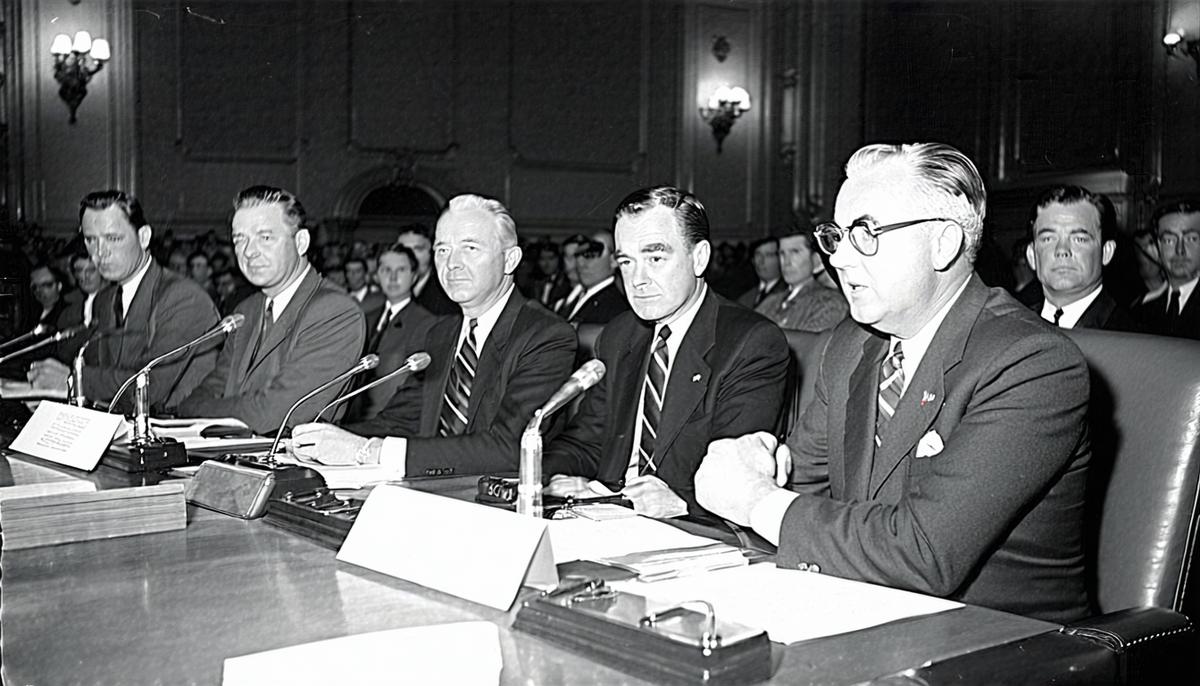
Behind the scenes of 1950s nostalgia, congressional investigations were stirring up trouble. The Wherry-Hill and Hoey Committees led the charge against gay government employees.
It started with wild claims about thousands of “moral weaklings” in federal jobs. The Hoey Committee took it further, producing reports calling for the removal of “undesirables” from government service.
These reports pushed the idea that gay people were security risks, using catchy phrases like “sexual misfits” and “moral perverts.” Fear brought Republicans and Democrats together in a rare show of agreement.
"Only the most naïve could believe that the Communists' fifth column in the United States would neglect to propagate and use homosexuals to gain their treacherous ends." – Senator Kenneth Wherry
The committees’ work spread beyond Congress, influencing opinions across the country. Their conclusions helped cement discrimination into federal policy, leaving a lasting impact that went beyond the cheery postcards of 1950s America.
Resistance and Legacy
Not everyone took the Lavender Scare lying down. Frank Kameny, fired from his government job in 1957, fought back. He took his case to court and framed it as a civil rights battle, picketing the White House and making headlines for LGBTQ+ rights.
Organizations like the Mattachine Society joined the fight. They held meetings and protests, pushing for visibility and change despite the risks.
While Kameny lost his Supreme Court case, it paved the way for future battles. By 1975, policies against LGBTQ+ federal workers started to loosen up.
But the effects of the Lavender Scare didn’t disappear overnight. The struggle for LGBTQ+ rights continued, with advocates pushing for inclusion and equality.
Today, we’ve made progress, but the legacy of the Lavender Scare reminds us to stay alert. It’s a part of our history that shows how important it is to keep fighting for acceptance, even as times change.
The Lavender Scare was more than just a blip in 1950s history. It shaped lives and reminds us how fear can lead to injustice. But it also shows how people can stand up and fight for what’s right, even when the odds are against them. As we look back, let’s remember both the struggles and the victories, and keep pushing for a world where everyone’s accepted for who they are.
- Johnson DK. The Lavender Scare: The Cold War Persecution of Gays and Lesbians in the Federal Government. University of Chicago Press; 2004.
- Adkins J. Congressional Investigations and the Lavender Scare. Prologue Magazine. 2016;48(2).
- Shoemaker J. Oral history interview. National Security Agency. 1980.