
Popular Pets of the 1950s
In the 1950s, family pets were as lively and diverse as a technicolor movie reel. Dogs and cats were the stars of many homes. Poodles pranced about in their trim cuts, embodying Parisian chic. Siamese cats, with their striking blue eyes and sleek fur, were the feline celebrities of the era.

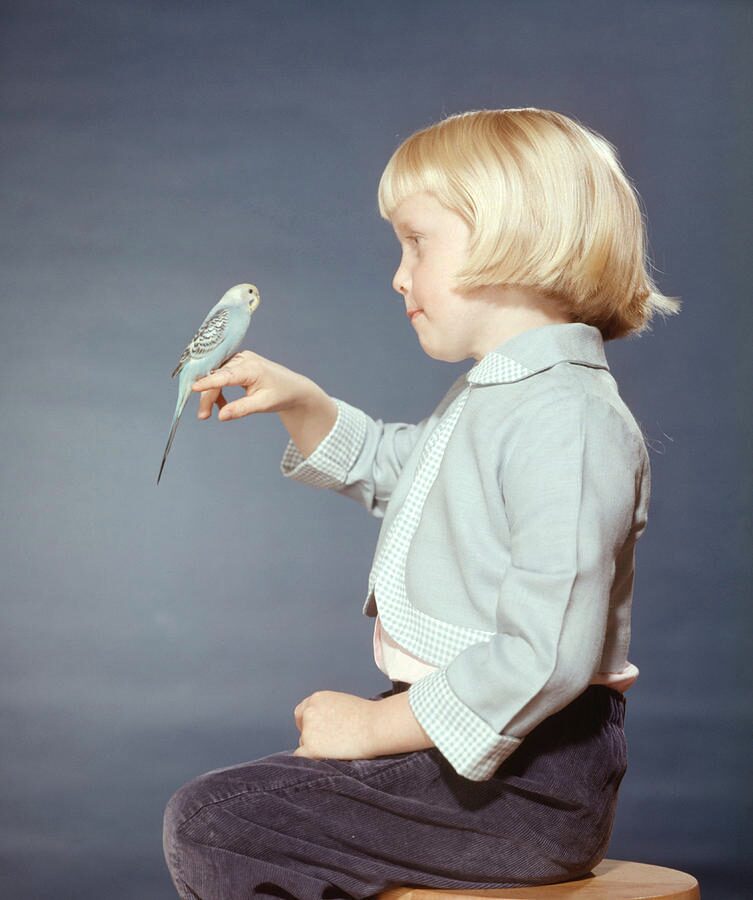
Goldfish often found new homes after captivating kids at fairgrounds. Budgies, the avian chatterboxes, brought color and melody to living rooms, mesmerizing their audience by mimicking human speech.
In rural areas, pets had different roles:
- Dogs were companions and colleagues, rambling alongside kids in fields or herding sheep.
- Cats kept barns rodent-free, earning their keep with finesse.
Kids adored their pets. These animals were often the keepers of secrets, partners in crime, and playmates in daily adventures. A pet in the family was more than just a friend; they were part of life’s dance, offering joy and sometimes a lesson in responsibility.
Children and Pets
For children in the 1950s, pets were confidants and teachers in life’s classroom. Dogs joined as partners in elaborate backyard escapades, from playing pirates to hosting imaginary circuses. They taught kids about commitment and friendship, often bringing unconditional love to every endeavor.
Children learned about responsibility through:
- Feeding their pets
- Grooming them
- Walking the dog
- Caring for the family goldfish
These simple tasks instilled a sense of duty and achievement in young minds.
Pets also sparked curiosity and imagination. Children delighted in teaching their budgies to mimic phrases, turning the colorful birds into veritable parrots of household chatter. There was magic in believing the budgie might just pass those secrets to some enchanted world.
Beyond play, pets brought a gentle form of education into homes. They introduced concepts such as biology to inquisitive minds, whether through watching goldfish glide or observing a cat’s captivating glance. Owning a pet prompted discussions around life cycles, habits, and care, quietly laying the groundwork for a child’s understanding of the natural world.
The Human-Animal Bond Evolution
Long before the 1950s, the relationship between humans and animals was different. Centuries ago, animals were partners in the most practical sense. They were protectors, hunters, herders, and healers, their value measured by their contribution.
The bond between humans and animals began taking shape over 15,000 years ago, evolving from purely utilitarian roles into partnerships with deeper emotional connections. Dogs were vigilant sentinels, guiding our hunts and guarding our camps. Cats silently crept into our lives, keeping our grain safe from rodents.
In times of adversity, animals became allies on battlefields. Cavalry horses, sentry dogs, and carrier pigeons played crucial roles, showing that animals were more than tools—they were comrades.
As we moved into the years surrounding the 1950s, a shift occurred—a transition from purely functional relationships to connections filled with warmth. It was no longer enough for a dog just to herd or hunt; their companionship started to hold immeasurable value.
In this post-war era, suburban family life became a hallmark of prosperity, and pets evolved into cherished family members. The pooch that once worked tirelessly at our side now frolicked with children in the yard, becoming a trusted guardian of family play and leisure.
This human-animal bond, reborn in the 1950s, ushered in a new era of appreciation. Our pets became companions and a reflection of the shifting values and hopes of a nation looking to the future with optimism and joy.
Reflecting on the cherished companionship of pets in the 1950s, it’s clear they were more than just animals sharing a home. They were integral to family life, offering joy and teaching responsibility. Their presence enriched childhood adventures and provided comfort through life’s ups and downs, leaving a lasting impact on hearts and homes alike.
- Bayer Life Science Company. The Evolution of the Human-Animal Bond.
- United States Army Medical Department Journal. Historical Military Roles of Animals.