
Once upon a time, the Oscars weren’t about viral speeches, questionable fashion choices, or celebrities patting themselves on the back for being brave. No, in the 1950s, Hollywood’s biggest night was exactly that – big.
Think sweeping epics, legendary performances, and scandals juicy enough to be whispered about in studio backlots for decades. Grab your martini and let’s take a trip back to when the Oscars were more glamorous than desperate.
10. The Era of Blacklist Comebacks
The 1950s saw the Hollywood blacklist begin to unravel. Edward Dmytryk, one of the original Hollywood Ten, made a surprising comeback in 1956 with a nomination for “The Caine Mutiny.”
As the decade progressed, blacklisted writers, directors, and actors gradually returned to the industry. Each person back on their movie-making feet created a ripple effect, ushering in a quieter revolution that would carry past the ’50s.
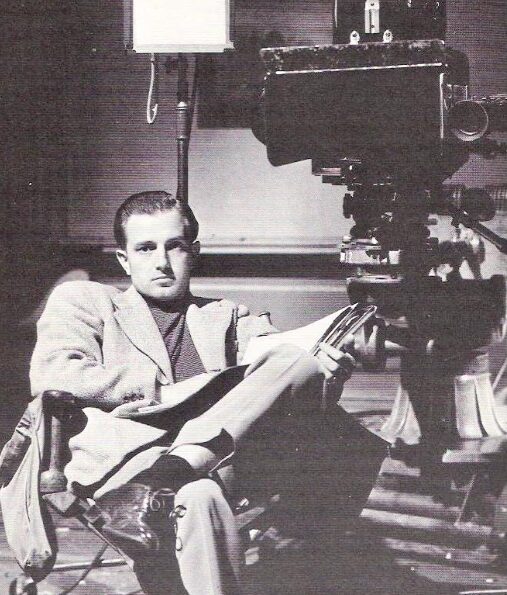
These comeback stories weren’t just about picking up where they left off; they were about resilience and rewriting narratives in the face of controversy. The Oscars during this time reflected both the glitz of Hollywood and the grit of those who fought to reclaim their place in it.
9. The Surprise Triumph of ‘Marty’
‘Marty,’ a 90-minute film about love and loneliness, made waves at the Oscars in the 1950s. In an era where grandeur often took center stage, this compact movie proved that sometimes less is more.

Ernest Borgnine’s nuanced performance as an “ordinary” man searching for love resonated deeply with audiences and Academy members alike. The film’s Best Picture win raised eyebrows and sparked optimism, suggesting that storytelling depth could triumph over spectacle.
‘Marty’ stands as a testament to the era’s appreciation for genuine, heartfelt stories. It showed that a film’s worth isn’t measured in minutes, but in its ability to touch hearts and tell a compelling story.
8. Iconic Fashion and Bold Statements
Marlene Dietrich made headlines at the 1951 Oscars with a daring fashion choice. She stepped onto the red carpet in a gown that boldly showed her legs up to the knee – a move that set Hollywood abuzz.
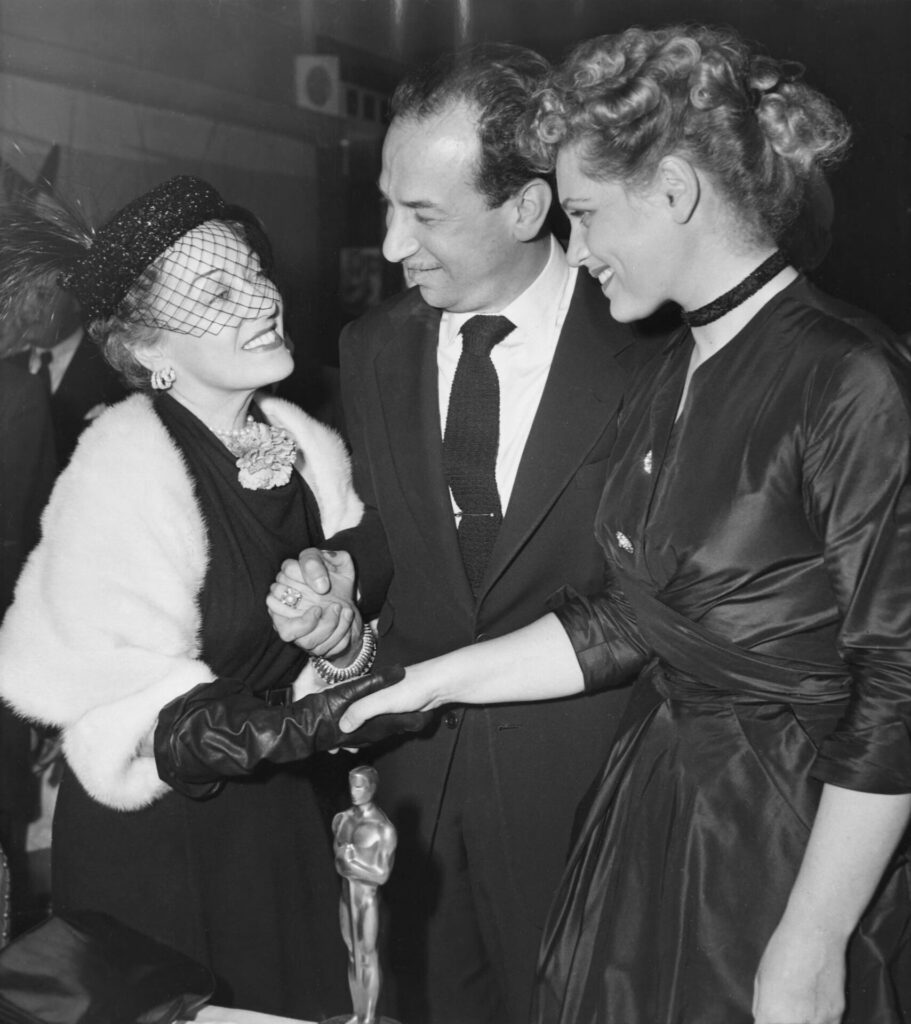
In an era of Marilyn Monroe and Audrey Hepburn, Dietrich carved out her own niche. Her outfit wasn’t just a dress; it was a statement about embracing boldness and challenging norms.
As the sequins caught the flashlights, gasps of astonishment mingled with excited whispers. Dietrich's ensemble proved that fashion could be both art and protest, reminding us that sometimes all it takes is a little leg – and a lot of moxie – to make an unforgettable impact.
7. Walt Disney’s Record-Setting Night
In 1954, Walt Disney dazzled the Oscars by winning four awards in a single night. His wins spanned categories from Best Documentary (Short Subject) to Best Short Subject (Two-Reel), showcasing his versatility as a storyteller.
This achievement wasn’t just about personal triumph; it underscored the growing recognition of animation as a legitimate and influential art form. Disney’s record-setting night proved that sometimes, the magic happens in technicolor dreams.
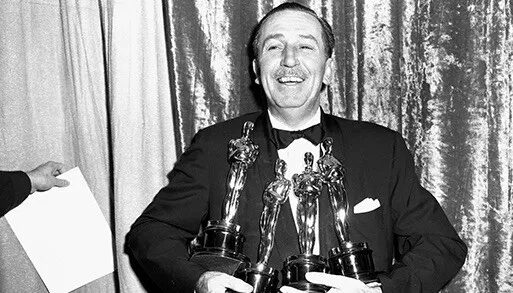
Walt’s success that evening was a testament to the power of imagination and ingenuity. It highlighted a golden age of animation flourishing amidst a decade of innovation and nostalgia.
6. Brando’s Bold Oscar Speech
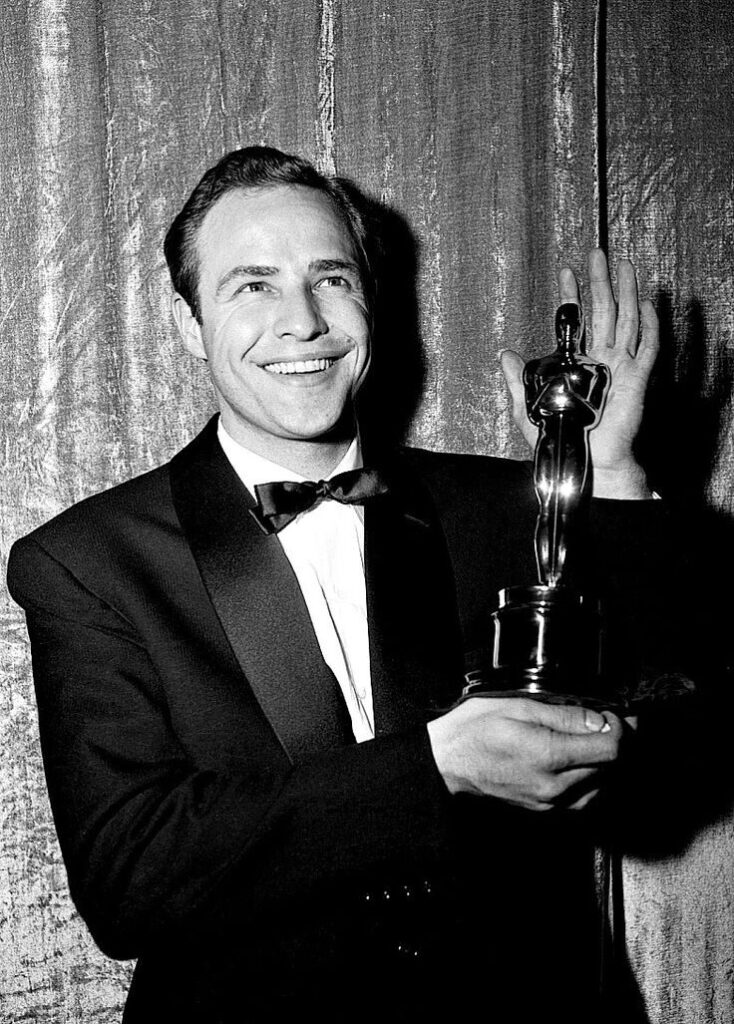
Marlon Brando’s 1955 Best Actor win for “On the Waterfront” was memorable not just for his performance, but for his acceptance speech. Instead of the typical thank-yous, Brando used his platform to address Hollywood’s treatment of actors.
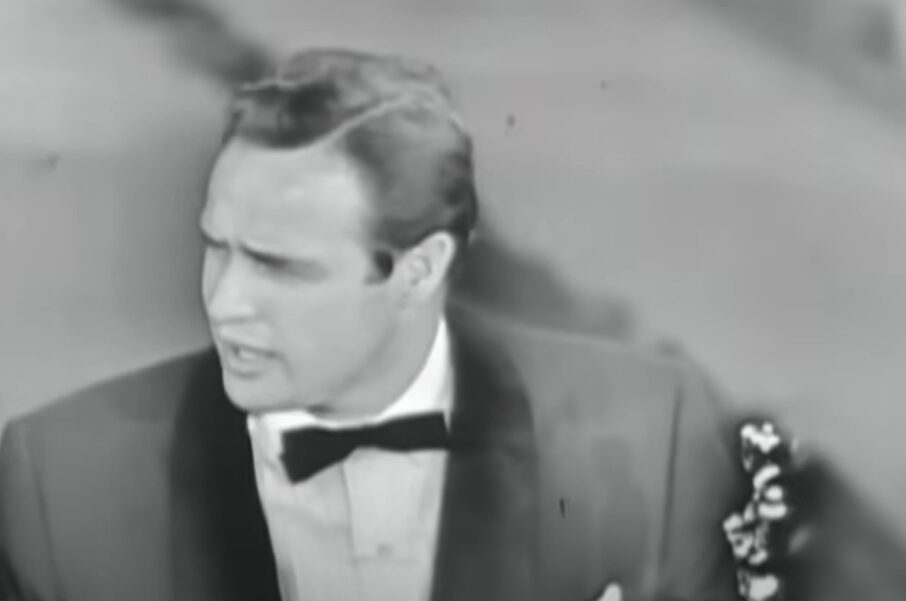
In a town where silence was often golden, Brando’s candid words were shocking. He critiqued the industry’s tendency to discard actors when the next big thing came along, sparking discussions about power dynamics in Hollywood.
Brando’s speech wasn’t just an actor’s victory – it was an artistic statement wrapped in a tuxedo. It proved that even amid the glitter of an Oscar, there was room for a little grit and real talk.
5. Best Actress Upsets and Snubs
Grace Kelly’s 1954 Oscar Win
The 1955 Oscars saw a surprising upset in the Best Actress category. While many expected Judy Garland to win for “A Star Is Born,” it was Grace Kelly who took home the statuette for “The Country Girl.”
- The announcement left the audience gasping in surprise.
- Whispers of disbelief mingled with speculation about behind-the-scenes studio politics.
For Grace Kelly, the win was a crowning achievement in her career. She accepted the award with her signature elegance. Meanwhile, Garland’s supporters were left stunned by the unexpected turn of events.
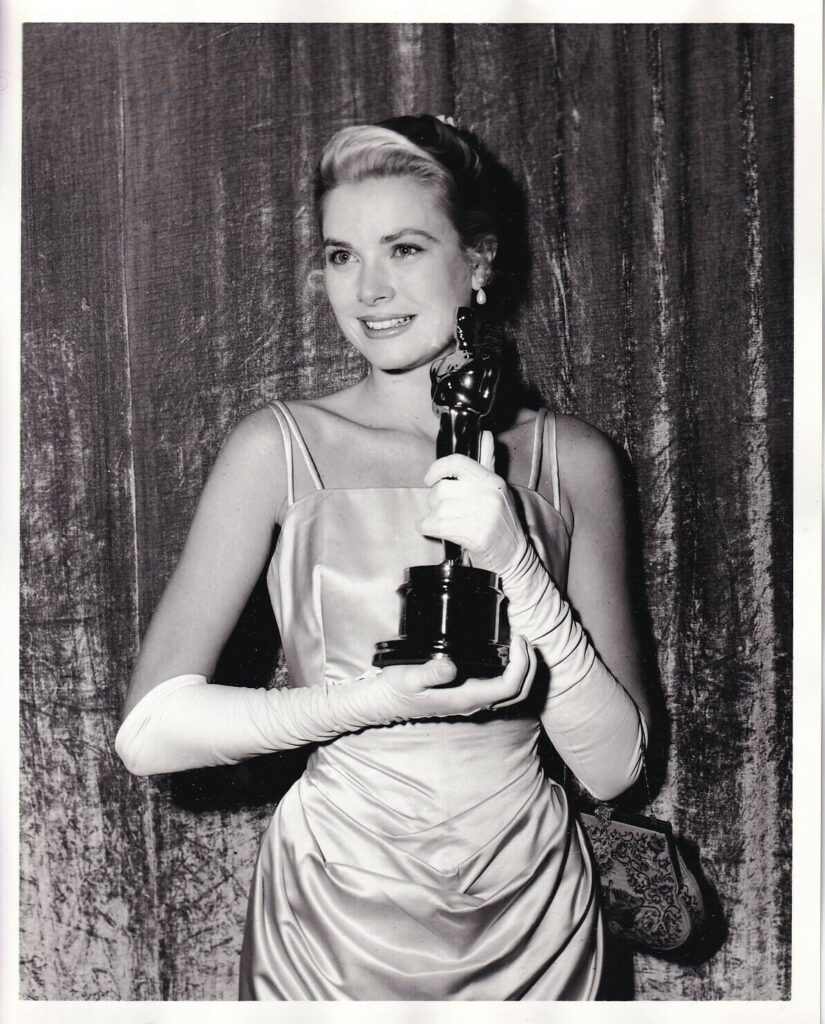
This Oscar moment symbolized the unpredictable nature of Hollywood in the 1950s – a time when anything seemed possible under the bright lights of Tinseltown.
4. The Epic ‘Ben-Hur’ Legacy
‘Ben-Hur,’ released in 1959, was a colossal success that redefined the “blockbuster.” This historical drama captured hearts with its epic scale, thrilling chariot race, and Charlton Heston’s magnetic performance. It snagged an unprecedented eleven Oscars, sparking debates about whether lavish epics were overshadowing more intimate films.

Despite some raised eyebrows from critics, audiences couldn’t get enough. ‘Ben-Hur’ stood tall as a cinematic giant, offering breathtaking sequences and sweeping emotions. It reminded everyone of the magic movies can create, transporting viewers from their local theaters to the grand arenas of ancient Rome.
The film’s success set records and cemented its place in Oscar history. Decades later, ‘Ben-Hur’ remains a benchmark of epic storytelling, leaving an indelible mark on Hollywood’s history.
3. Gloria Swanson’s Memorable Oscar Moment
In 1951, Gloria Swanson made waves at the Academy Awards for her role in “Sunset Boulevard.” Her portrayal of Norma Desmond was so vivid that it electrified the screen and captivated audiences.
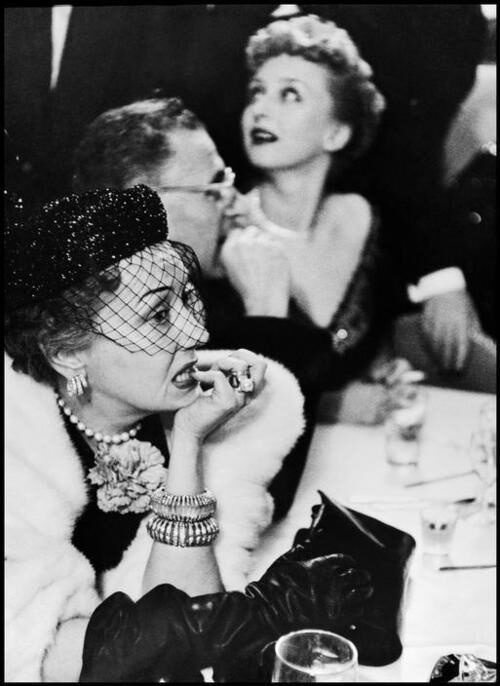
Despite not winning Best Actress, Swanson received something remarkable – a standing ovation. This rare gesture wasn’t just applause for a movie; it was a salute to Swanson’s enduring legacy and her contributions to the film industry.
While she may not have taken home an Oscar, Swanson left with something perhaps more meaningful – the admiration of her peers and a place in cinematic history. Her moment at the Oscars showed that sometimes, the real wins in Hollywood come from the impact we make, not the awards we receive.
2. Notable Best Picture Winners of the Decade
The 1950s saw some unforgettable Best Picture winners that shaped the cinematic landscape:
- “All About Eve” (1950): Kicked things off with a bang, nabbing six Oscars out of 14 nominations – a record at the time. This witty tale of showbiz ambition set the tone for the decade’s potent storytelling.
- “On the Waterfront” (1954): Gripped viewers with its gritty portrayal of corruption and redemption. Starring Marlon Brando, it reminded everyone of the power of raw, unfiltered drama.
- “Ben-Hur” (1959): Dazzled with its epic scale, clinching 11 Oscars. It exemplified the grand spectacles that defined 1950s cinema.
These winners didn’t just collect trophies – they captured the era’s spirit of innovation while honoring Hollywood’s cherished past. They were signposts of the decade’s pulse, showcasing both the dazzle and depth of 1950s storytelling.
1. Unparalleled Talent: Best Actor and Actress Winners
The 1950s saw some truly stellar performances in the Best Actor and Actress categories. These winners didn’t just snag awards – they set new standards for acting and storytelling.
- Alec Guinness: Won Best Actor for “The Bridge on the River Kwai” (1957), bringing quiet dignity and determination to his role. His nuanced performance showed what being a true leading man was all about.
- Ingrid Bergman: Her turn in “Anastasia” (1956) earned her Best Actress and solidified her as a Hollywood icon. She captivated audiences with a performance that balanced grace and gravitas.
- Charlton Heston: Thundered onto the scene with “Ben-Hur” (1959), his Best Actor win heralding a new era of larger-than-life performances. He set the stage for countless epic roles to come.
These winners didn’t just collect trophies – they defined genres and pushed the boundaries of cinema. Their achievements continue to inspire, reminding us of the timeless magic of great performances.
Looking back on the 1950s, it’s clear this decade was special for cinema. The films and performances of this era weren’t just entertaining – they were experiences that left lasting impressions. While times have changed, the creativity and passion of 1950s Hollywood continue to inspire and delight audiences today.