
1. Poodle Skirts
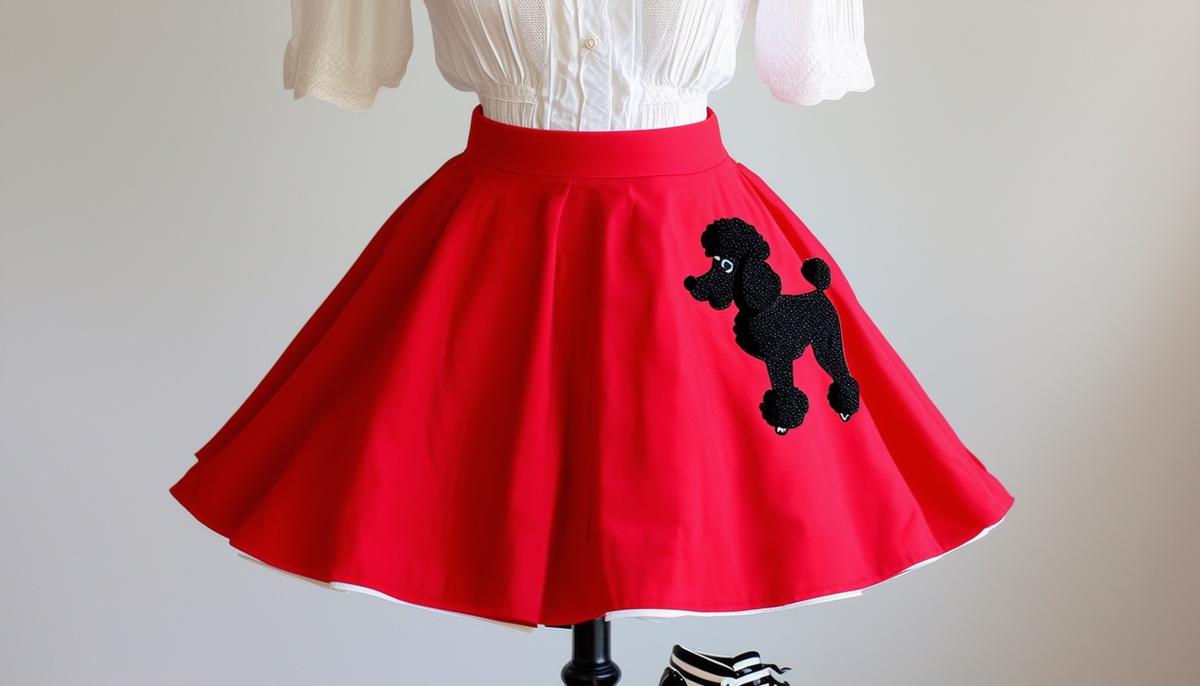
Poodle skirts were an iconic fashion item of the 1950s. These full, flared felt skirts featured eye-catching appliqués, with poodles being the most popular design. However, other motifs like musical notes or flowers were also common. Poodle skirts symbolized youthful style and were typically paired with:
- Twinsets
- Saddle shoes
This combination created the quintessential 1950s girl-next-door look. Ideal for dances and social gatherings, poodle skirts added a playful swish to every movement, embodying the era's blend of innocence and fun.
2. Pencil Skirts
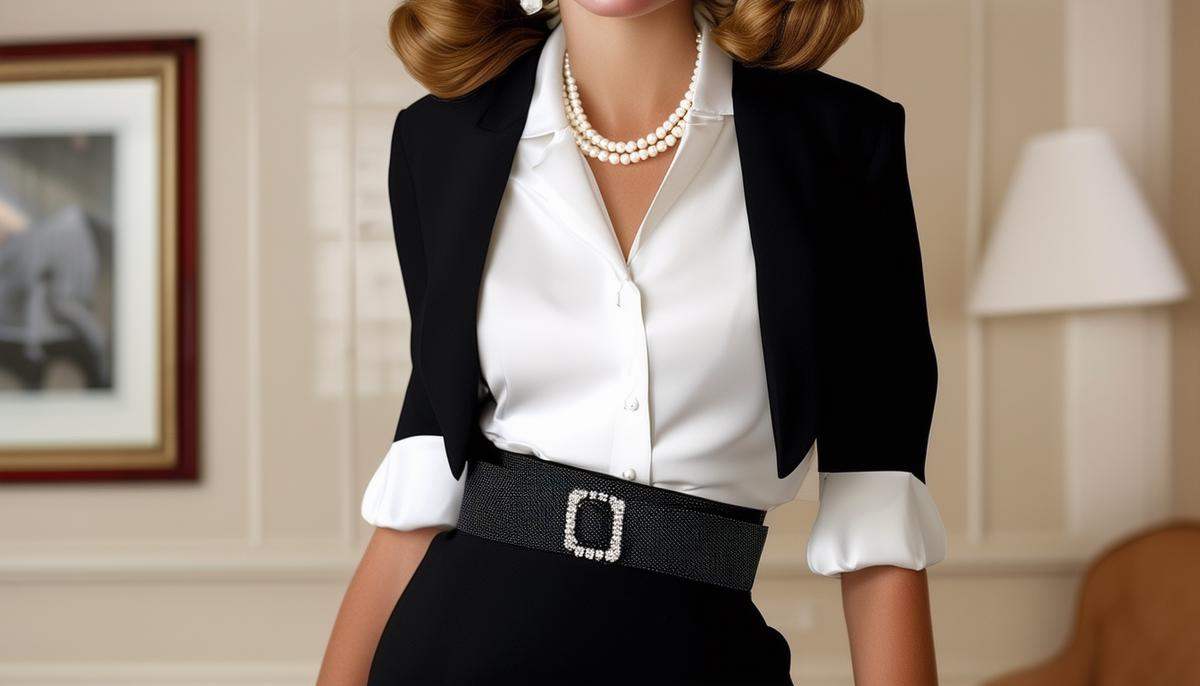
Pencil skirts epitomized 1950s elegance. These slim-fitting skirts hugged the waist and hips, creating a sleek silhouette that highlighted the era's favored hourglass figure. Versatile and professional, pencil skirts were perfect for:
- Office wear when paired with blouses
- Evening events when matched with elegant jackets
Available in various fabrics from wool to silk, pencil skirts allowed for both formal and casual styles. They remained a staple in women's wardrobes throughout the decade, offering a sophisticated alternative to the fuller skirts of the time.
3. Saddle Shoes
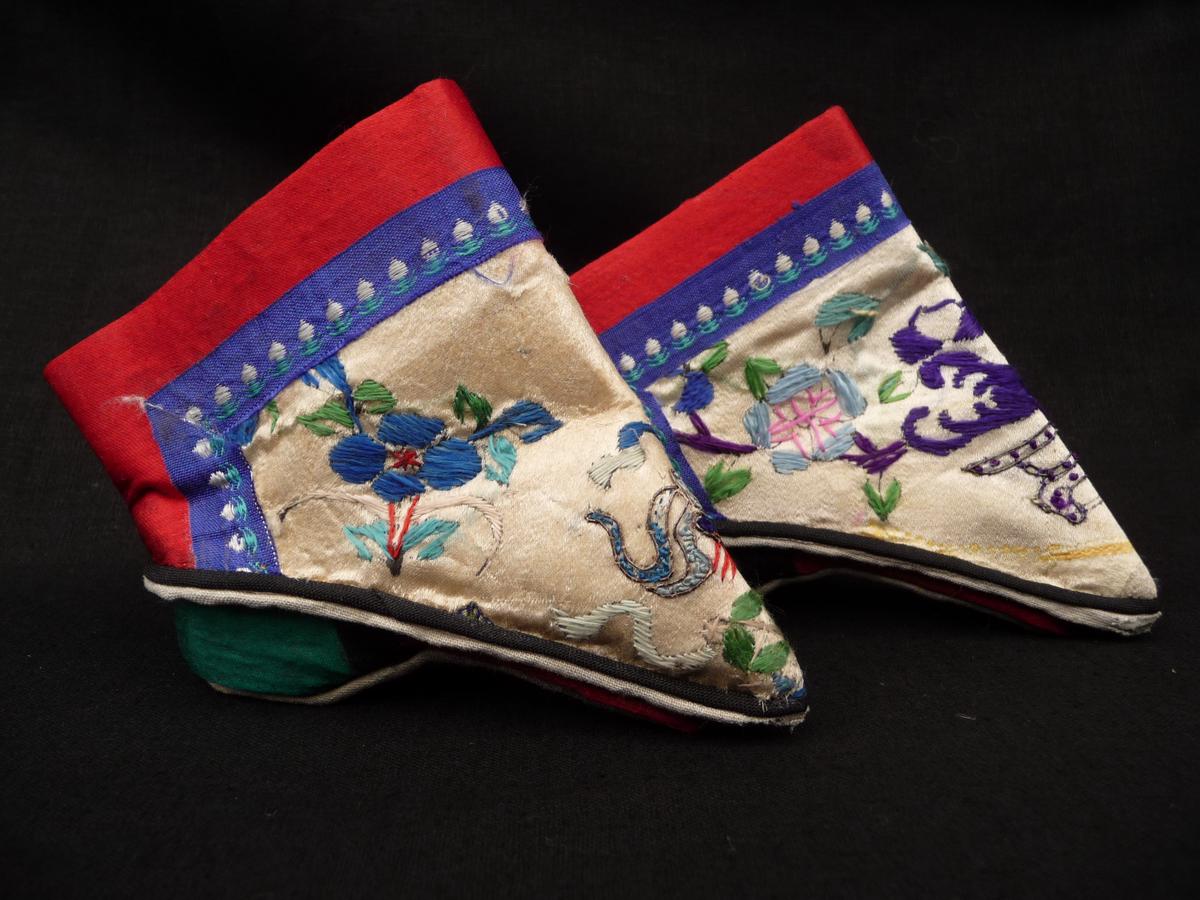
Saddle shoes were iconic footwear of the 1950s. These distinctive two-toned shoes featured a contrasting saddle-shaped panel across the middle, typically in black or brown on a white base. Popular among both genders, saddle shoes were prized for their:
- Versatility – suitable for school, casual outings, or dances
- Durability
- Classic look
They complemented various styles, from rolled-up jeans to poodle skirts, making them a quintessential part of 1950s fashion.
4. Cat-Eye Glasses
Cat-eye glasses were a distinctive 1950s accessory that added a touch of glamour to any outfit. Characterized by their upswept outer edges, these glasses ranged from subtle to bold designs. Often adorned with:
- Rhinestones
- Intricate patterns
Cat-eye glasses were both a practical vision aid and a fashion statement. Popularized by celebrities like Grace Kelly and Marilyn Monroe, they became a symbol of 1950s style that continues to influence fashion today.
5. Capri Pants
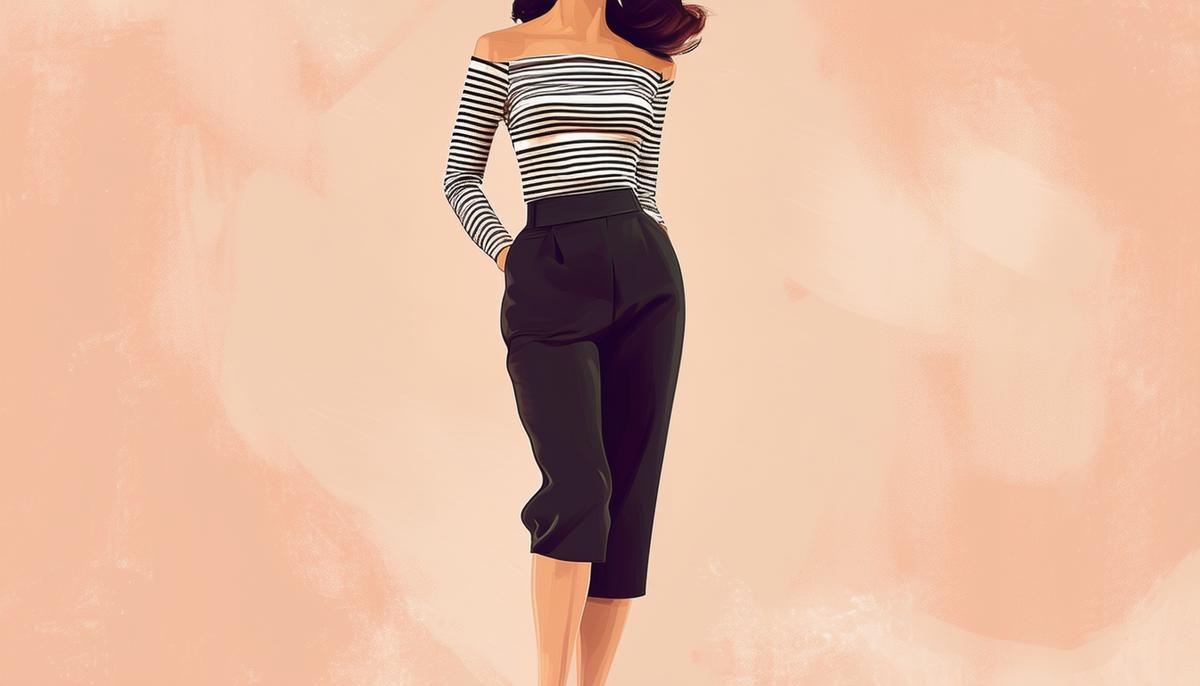
Capri pants, cropped just above the ankle, gained popularity in the 1950s. They offered a casual yet chic alternative to skirts and dresses, embodying the decade's shift towards more relaxed fashion. Capri pants were:
- Versatile – suitable for various occasions when paired with different tops
- Comfortable – allowing for greater freedom of movement
- Stylish – popularized by fashion icons like Audrey Hepburn
These pants represented a blend of comfort and style that appealed to the changing tastes of 1950s women, signaling a move towards more practical everyday wear.
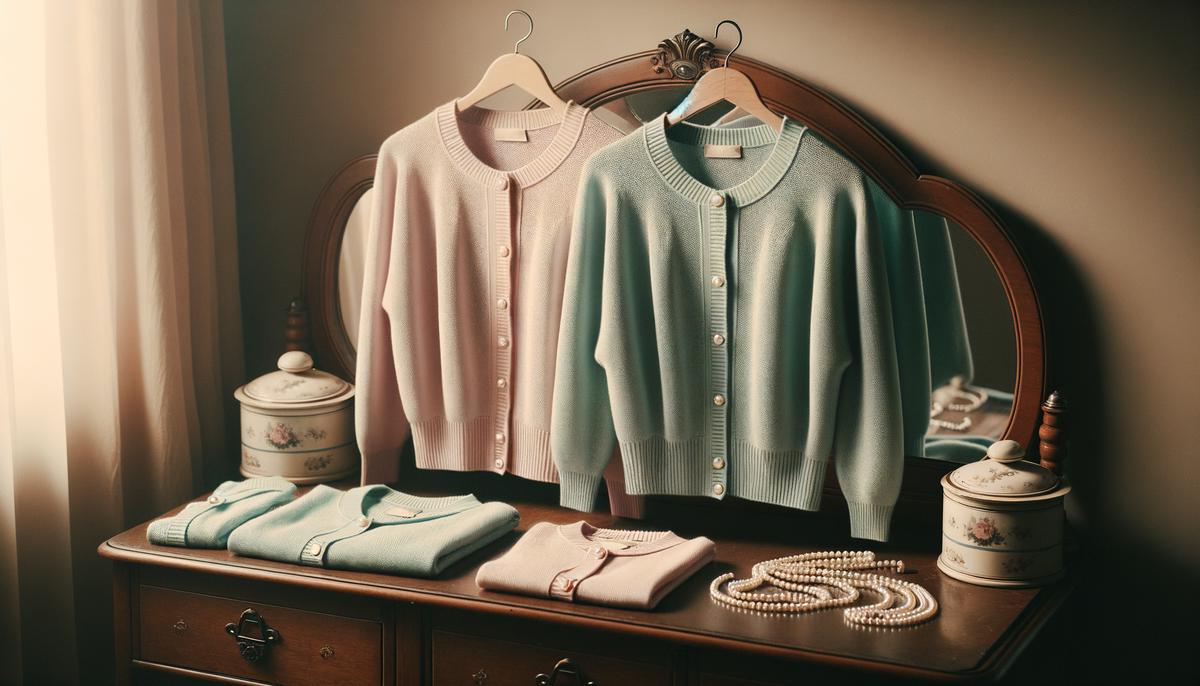
6. Twin Sets
Twin sets consisted of a matching cardigan and sweater, offering a coordinated and polished look. These versatile ensembles could be dressed up or down for different occasions. Often paired with pearls, twin sets were a staple of 1950s women's fashion, representing the era's appreciation for classic, put-together styles.
"The long years of deprivation during World War II brought forth a yearning for luxury and fashionable things, and women made a special effort to dress appropriately for every occasion; it was considered imperative that one's accessories matched perfectly"
Twin sets were favored by fashion icons like Jackie Kennedy and symbolized the decade's blend of elegance and practicality.
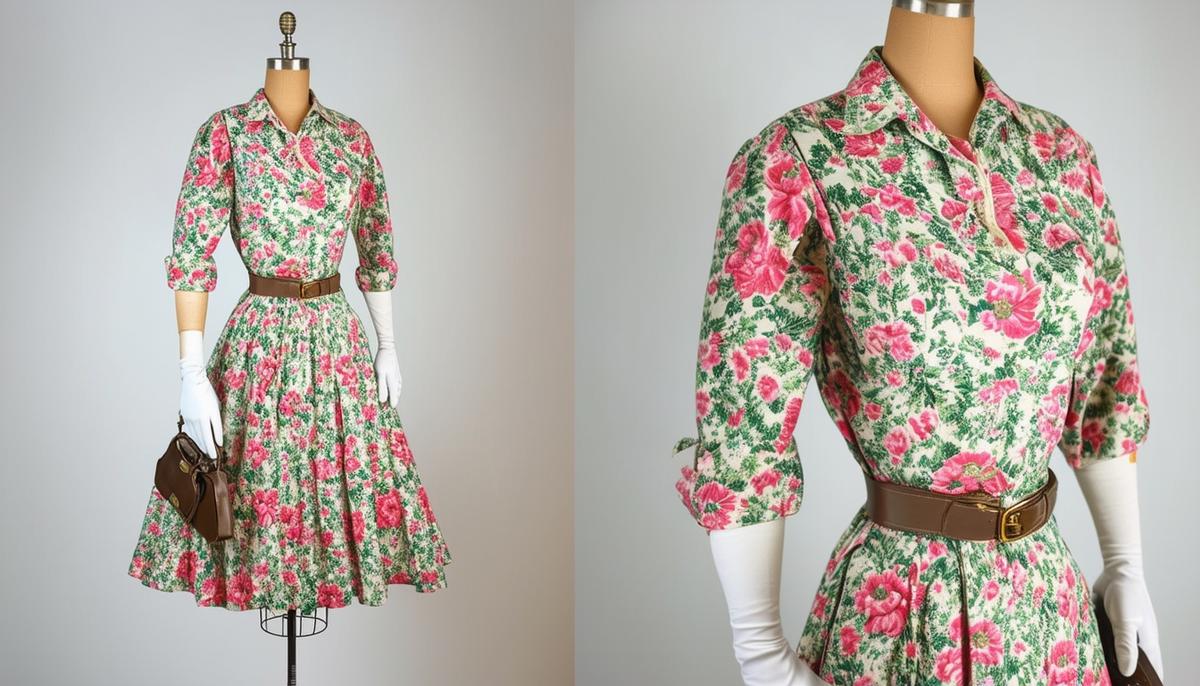
7. Shirtwaist Dresses
Shirtwaist dresses combined the top of a button-down shirt with a full skirt, creating a versatile and flattering silhouette. Popular for their practicality and style, these dresses suited various occasions from daytime errands to evening gatherings. Key features included:
- A range of patterns and fabrics
- Often accessorized with belts to emphasize the waist
- A balance of femininity and functionality
Shirtwaist dresses epitomized the 1950s approach to women's fashion, offering a perfect blend of comfort and style that remains influential today.
The 1950s fashion items discussed above reflect the decade's blend of elegance, practicality, and youthful style. These pieces continue to influence modern fashion, serving as reminders of the era's distinctive aesthetic and its lasting impact on clothing design and cultural expression.
- Peacock J. Fashion Sourcebooks: The 1950s. London: Thames & Hudson; 1997.
- Milford-Cottam D. Fashion in the 1950s. London: Shire Publications; 2017.
- Laver J. Costume and Fashion: A Concise History. London: Thames & Hudson; 1995.
- Buxbaum G. Icons of Fashion: The 20th Century. Munich: Prestel; 2005.