
8. Uranium Rush
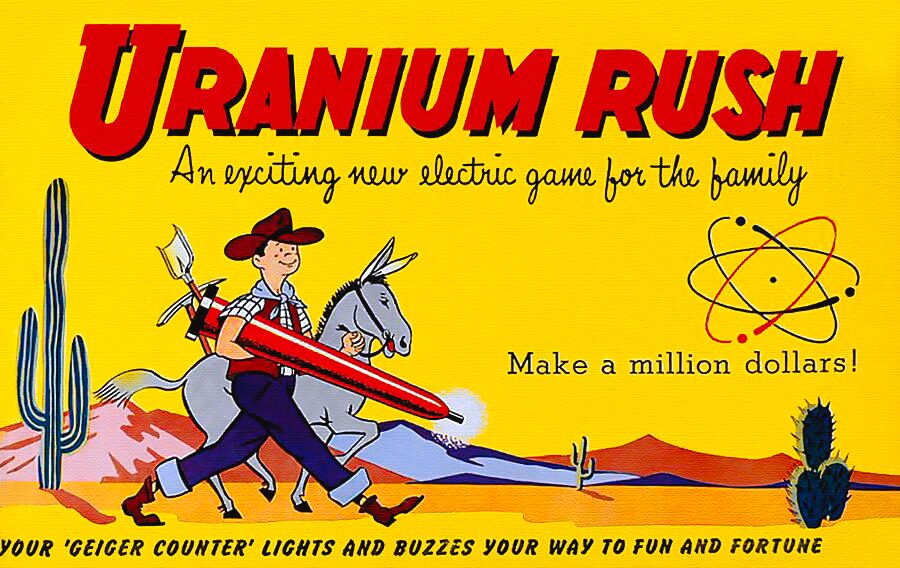
Uranium Rush brought the excitement of the atomic age to 1950s living rooms. Players raced to stake claims and strike it rich, using a toy Geiger counter to detect “radiation” on the Colorado Plateau-inspired board. Tiny holes represented potential uranium deposits beneath the surface.
The game blended fun with Cold War reality, turning science and history into family adventure. Players spun an arrow to move, paid government fees, and hoped fortune would smile on their claims. Uranium Rush captured the era’s fascination with technology and exploration, letting everyone experience the thrill of the atomic frontier.
"Uranium fever" served as the plot for B movies and television comedy episodes. Uranium Rush capitalized on this hype, along with the general enthusiasm for atomic energy.
However, the game obscured darker truths. The real uranium boom left behind economic and environmental ruin in the American West. Many miners, especially in Diné (Navajo) communities, suffered from uranium poisoning and increased rates of lung illness and cancer due to inadequate safety regulations.
While Uranium Rush packaged a dangerous industry as family entertainment, it reflected the uncanny optimism of the era – an enthusiasm for atomic power that may seem unfathomable today.
7. Scrabble
Scrabble was the heart of 1950s family game nights. This word game challenged players to create crosswords using letter tiles, with bonus squares boosting scores. Families gathered around the table, drawing tiles and pondering their next move.
The dictionary became the ultimate authority in these wordy battles. Any dispute over a word’s legitimacy was just a page flip away. Parents and kids expanded their vocabularies while trying to craft the most lucrative words.
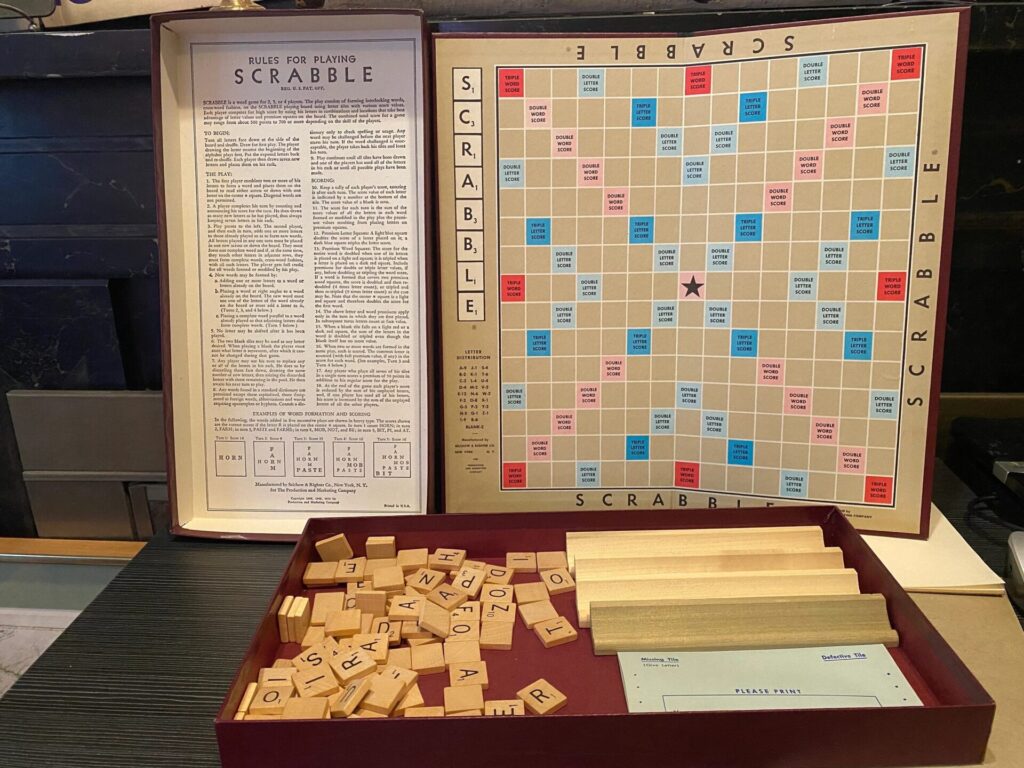
Even with a tray full of vowels, players found joy in the camaraderie and wacky word attempts. Scrabble offered an escape into a world where language was play. It wasn’t just about winning, but about the laughter shared as everyone learned new words—or perhaps invented a few!
Scrabble transformed evenings into a delightful adventure of words, challenges, and family bonding—creating memories worth more than any triple-word score.
6. Risk
Risk brought global strategy to the family table, turning living rooms into command centers. Players negotiated alliances, plotted conquests, and occasionally betrayed their closest allies—all in good fun. Every dice roll could secure a hold on Asia or leave territories scrambling for defense.
The game fostered skills beyond the board:
- Teamwork
- Critical thinking
- Graceful defeat
Parents and kids became tacticians, where even the smallest troop deployment could tip the scales of victory. The drama unfolded with shouts for lucky rolls and hushed plans for world domination.
Risk wasn’t just about conquests; it created lasting family memories. The camaraderie in planning attacks, banter over missteps, and laughter at unexpected outcomes made each game unique. It sparked imagination and strategy, turning everyday living rooms into arenas of adventure where every play was a plot twist.

5. Careers
Careers captured the spirit of 1950s optimism, letting players craft their own path to success. Each game began with setting personal goals for fame, fortune, and happiness. Would you become a daring adventurer, a Hollywood star, or climb the corporate ladder?
The vibrant board displayed life’s opportunities and surprises. Players could explore various occupations, collecting experience points towards their objectives. The game’s beauty lay in its simplicity and the freedom to define your own success.
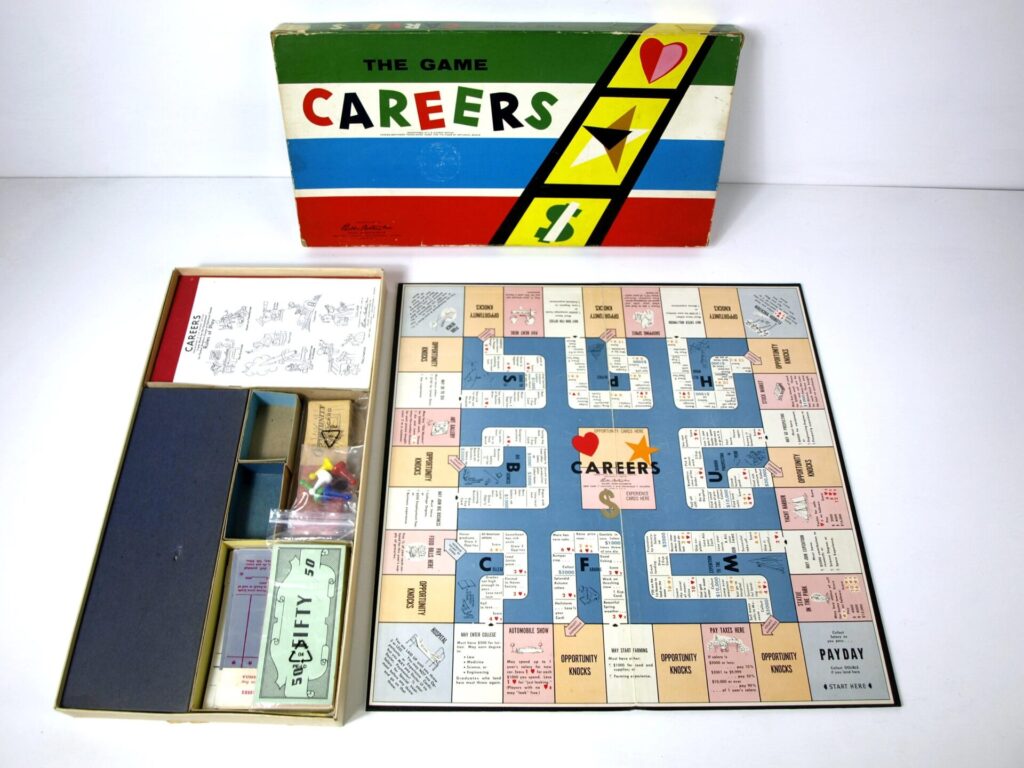
Families bantered about taking risks versus playing it safe, realizing life, like the game, was unpredictable yet thrilling. Tales of unexpected wins or near misses became family legend. Careers reminded players that life is best approached with:
- Optimism
- Strategy
- A hearty dose of laughter
This game truly captured the essence of the fabulous 50s!
4. Clue
Clue transformed living rooms into crime scenes where families became detectives. Players moved through a mansion, gathering clues to solve a murder mystery. Was it Professor Plum in the Conservatory with a wrench, or Mrs. Peacock in the Library with a candlestick?
Armed with notepads, players questioned suspects and sifted through misleading information. The thrill of the hunt kept imaginations running wild as families sought to uncover hidden secrets. Tension mounted when someone entered a room to make an accusation, leading to triumphant “aha!” moments or disappointed groans.
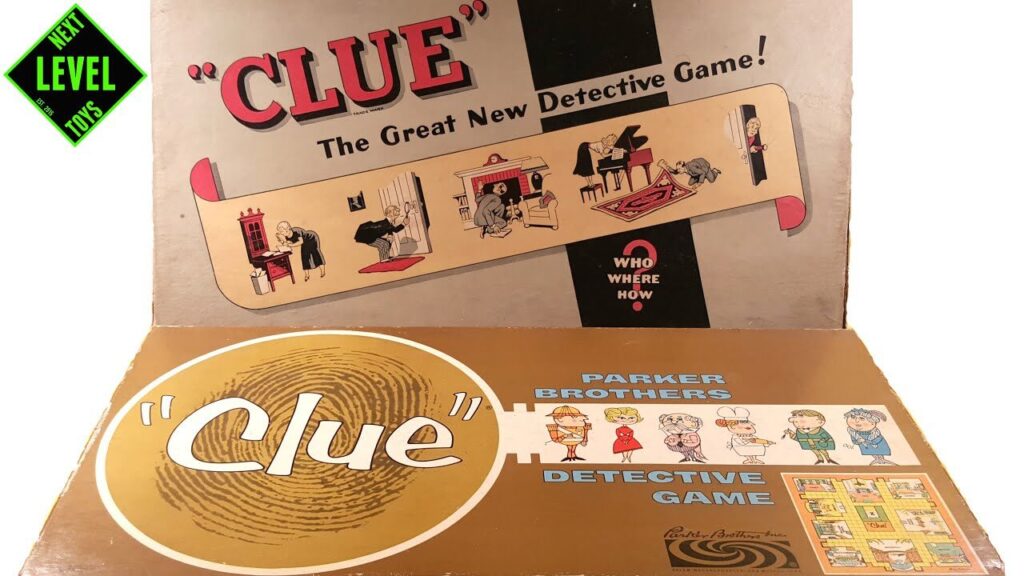
Clue was more than just a game; it exercised:
- Deductive reasoning
- Social skills
- Patience
- Perseverance
The mysterious setting and colorful characters made every round a new adventure in puzzle-solving. This captivating mix of intrigue and strategy continues to resonate, inviting generations to step into the shoes of detectives. Like a thrilling mystery novel, each game of Clue was another chapter in an ongoing saga of puzzles and revelations.
3. Monopoly
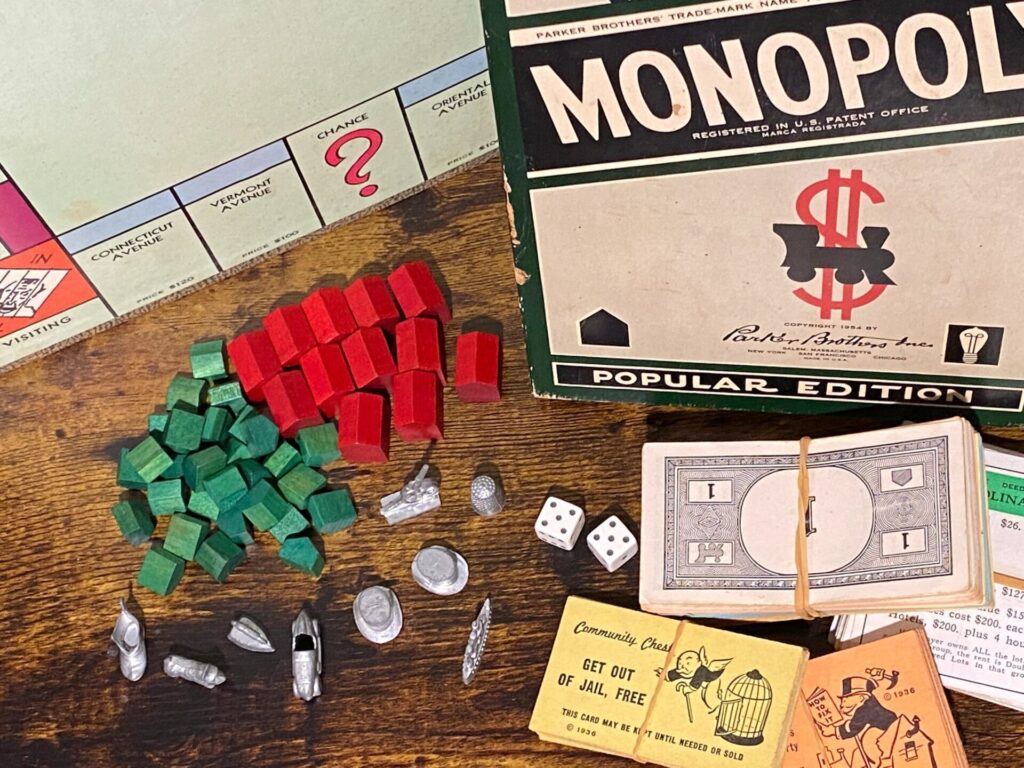
Monopoly, the classic game of property trading, brought out the inner tycoon in 1950s families. Players became eager investors, hoping to claim prime real estate like Boardwalk and Park Place. The game kicked off with the banker distributing cash and players choosing iconic tokens like the top hat or race car.
Dining rooms transformed into mini Wall Streets as families wheeled and dealt. Properties were bought and developed, with each roll of the dice advancing grand strategies or leading to financial ruin. Monopoly taught the art of negotiation, as players haggled over trades and formed alliances.
The game wasn't just about money; it was about the thrill of outsmarting competitors and adapting to changing fortunes.
Players learned valuable lessons in finance and resilience, all while enjoying quality family time. Even the occasional “accidental” board flip added to the fun, providing memorable moments of chaos and laughter.
Monopoly remains a staple of family game nights, where budding business minds first test their skills. These weren’t just games, but legendary battles of strategy and luck. While families tossed around colorful money, the real treasure was the shared experience and memories created around the board.
2. Candy Land
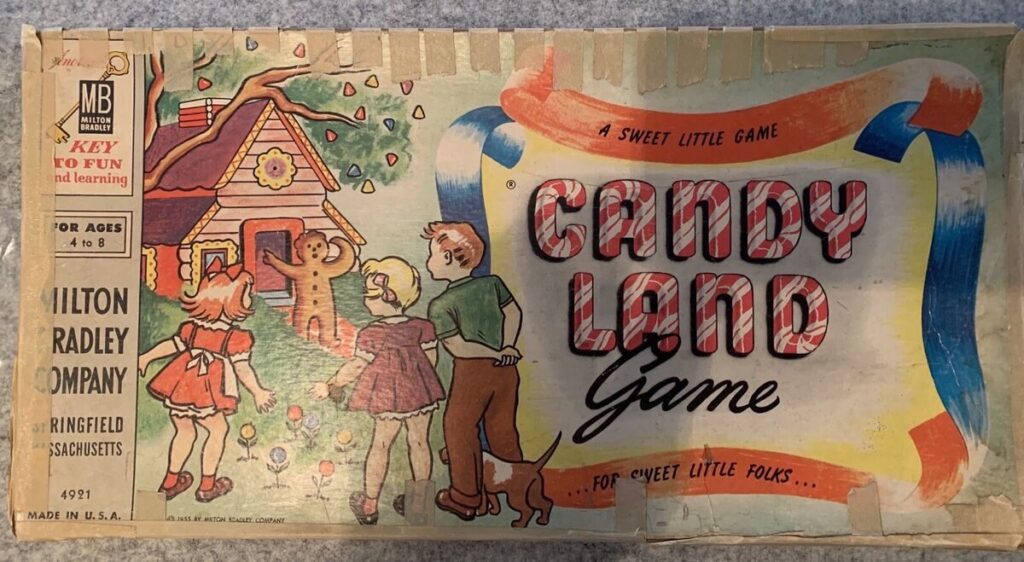
Candy Land charmed young players with its colorful world of sugary delights. The game whisked families away to a land of lollipops and gumdrops, with a simple goal: reach King Kandy’s castle first.
Players moved gingerbread men tokens along rainbow-colored paths, drawing cards to determine their moves. The simplicity made it perfect for younger children, who could jump right into the fun without complex rules.
Landing on special squares added excitement, teleporting players ahead or sending them back to spots like the Molasses Swamp. These surprises kept the game engaging for everyone.
Candy Land wasn’t just a game; it was an escape from the everyday. It sparked laughter as family members cheered each other on. Parents often enjoyed it as much as kids, reliving their own childhood memories.
In a sometimes serious world, Candy Land delivered joy sprinkled with nostalgia. It created a magical experience where simple turns led to sweet adventures, making every game feel like a trip to a delightful dreamland.
1. The Game of Life
The Game of Life was more than just a board game in the 1950s—it was a journey through life’s unpredictable path. Families gathered to explore a miniature world where every spin could change your destiny.
Players became adventurers, moving through life stages from college to career milestones. Each turn offered unique experiences: you might end up as a doctor in a mansion or an artist traveling the country. The thrill was in the uncertainty, reflecting the era’s optimism and endless possibilities.

The career lottery was a highlight, letting young minds explore different professions with a mix of giggles and ambition. Whether chasing high salaries or following passions, each player’s journey became a personal story.
But it wasn’t all about careers. The game captured 1950s values of family and community. Adding children to your game piece’s car or choosing a cozy home sparked playful debates about life’s many choices.
As the game neared its end, players considered retirement options—from luxurious estates to modest contentment. Like real life, the joy was in the journey and the memories made along the way.
The Game of Life embodied the era’s hopeful dreams in a fun package. It brought families together, sharing laughs over unexpected twists and nurturing a sense of resilience that lasted beyond game night.

In the 1950s, board games were more than just a pastime; they were a window into shared adventures and dreams. Each game night brought families together, creating memories that lasted long after the dice stopped rolling.
"Board games are a great way to break the ice, whether you're at a party or hosting a get-together with folks you haven't seen in a while."
The enduring popularity of classic games from this era demonstrates their ability to captivate players across generations. Whether it’s the sweet simplicity of Candy Land or the life-simulating excitement of The Game of Life, these games continue to offer a unique blend of entertainment and social connection.
Legacy of 1950s Board Games
- Fostered family bonding
- Reflected societal values and aspirations
- Provided accessible entertainment for all ages
- Created lasting memories and traditions
As we look back on these beloved games, it’s clear that their impact extends far beyond mere amusement. They have become cultural touchstones, reminding us of simpler times and the enduring power of play in bringing people together.