
Origins and Development
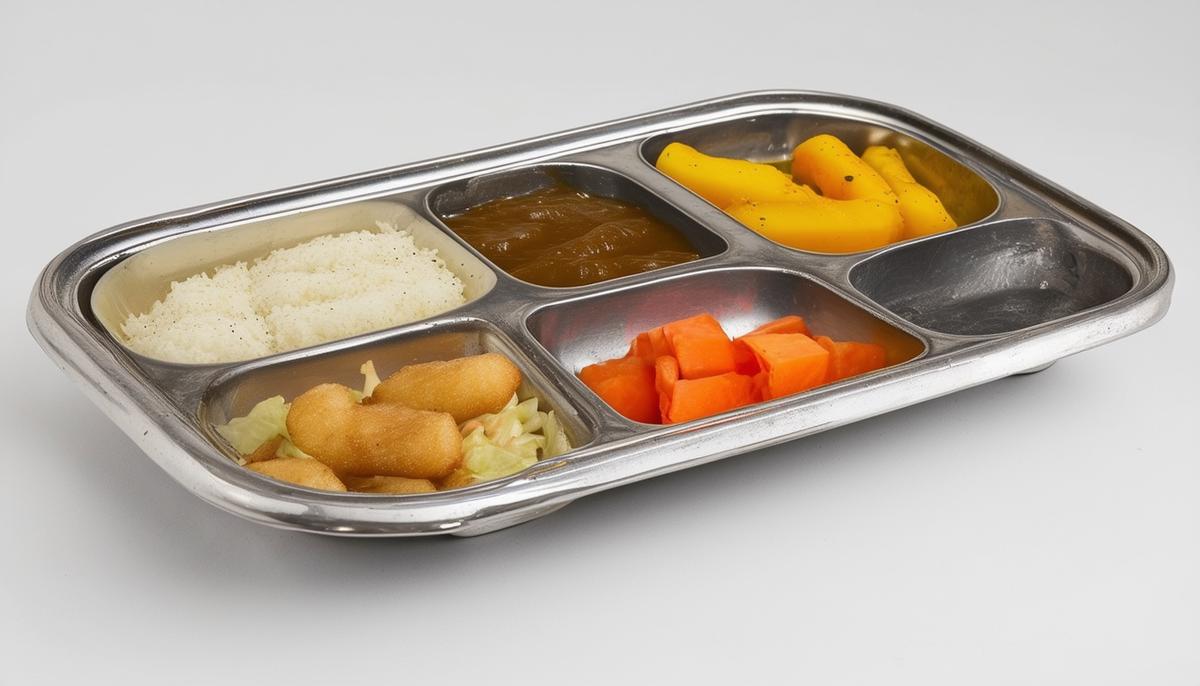
Maxson Food Systems, Inc. kicked things off with "Strato-Plates" in 1945, offering compartmentalized meals for airplane passengers. Though this idea didn't make it to stores, it set the stage for future frozen meals.
In 1949, the Bernstein brothers started Frozen Dinners, Inc. in Pittsburgh. Their One-Eyed Eskimo label meals gained popularity, selling 2,500,000 dinners by 1954 under the rebranded Quaker State Food Corporation.
Swanson became the big name in TV dinners by 1954. They cleverly marketed their meals to be enjoyed in front of the television, turning a 260-ton turkey surplus into a cultural phenomenon. Their frozen meals were a hit, selling 10 million units in the first year.
These TV dinners changed how American families ate, combining convenience with entertainment and reshaping the kitchen landscape.
Swanson's Breakthrough
Swanson's success came from their marketing savvy and smart packaging. They branded their products as "TV Dinners," tapping into the growing popularity of television. The TV screen-styled packaging and neatly divided meal trays made eating in front of the TV feel special.
Their advertising was everywhere, from billboards to radio spots. Swanson sold more than food; they sold a lifestyle that fit perfectly with the fast-paced 1950s. Their Thanksgiving-style meal offered comfort food any time of year.
By making frozen dinners feel modern and convenient, Swanson created a product that was as iconic as any hit TV show of the era.
Cultural Impact in the 1950s
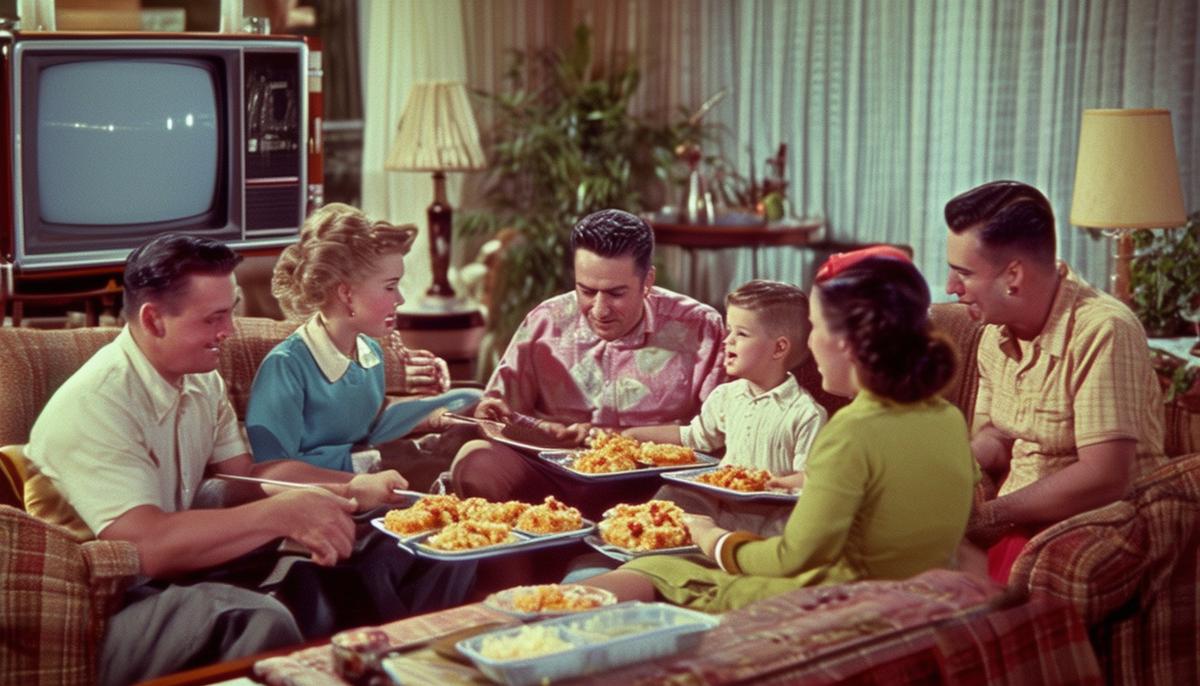
TV dinners became a symbol of 1950s America, blending perfectly with the decade's post-war optimism and emerging technology. Families could now eat while watching their favorite shows, turning dinner into a shared event.
These meals were a godsend for working wives, offering a quick dinner solution that freed up time for other activities. The shift from dining rooms to TV trays reflected changing family dynamics and the growing importance of television in American homes.
TV dinners represented progress and convenience, fitting neatly into the 1950s narrative of innovation and the American dream. They offered a taste of modernity and a moment of family togetherness, all in one aluminum tray.
Evolution and Competition
As TV dinners grew in popularity, competitors like Banquet and Stouffer's joined the market. Banquet offered home-style meals like fried chicken, while Stouffer's brought a touch of restaurant quality to frozen dinners.
In the 1980s, health-consciousness began to influence frozen meals. Lean Cuisine introduced calorie-controlled options, appealing to those looking for healthier choices.
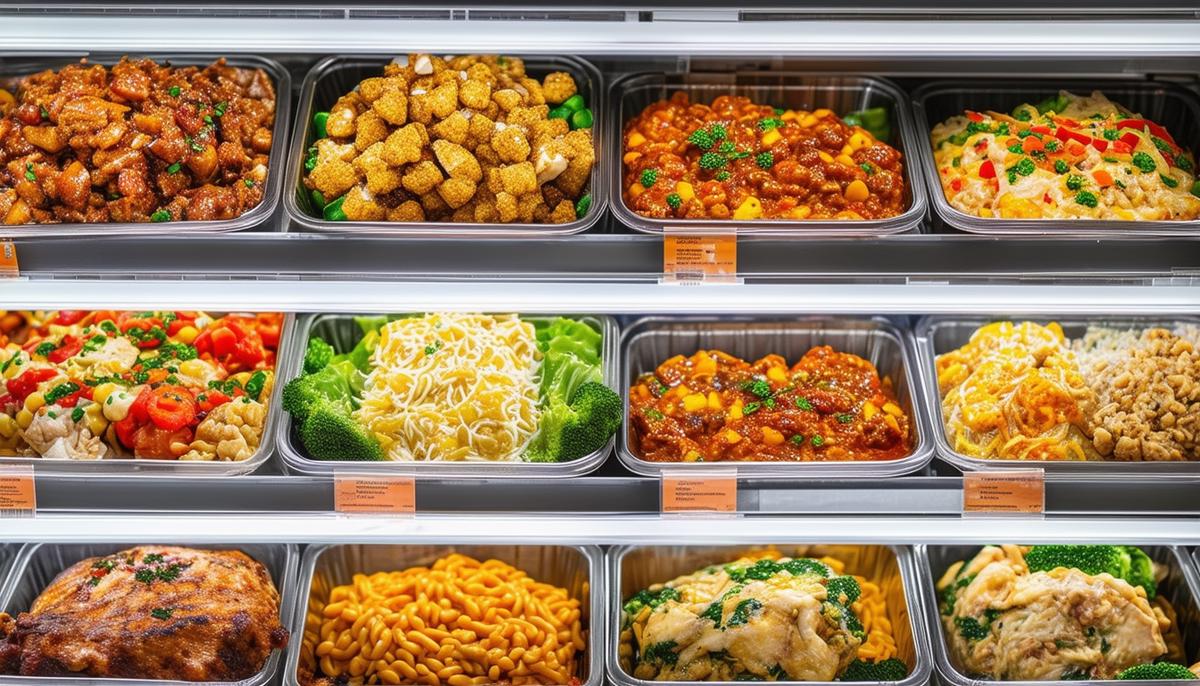
Today's TV dinners offer a wide range of cuisines and cater to various dietary needs. From pad Thai to quinoa bowls, the freezer aisle now feels like a global food market. Who would've guessed back in the '50s that we'd have gluten-free, dairy-free, and keto options in our frozen meals?
The TV dinner has come a long way from its simple beginnings, evolving to meet changing tastes and lifestyles while still offering the convenience that made it popular in the first place.
TV dinners were more than just convenient meals. They reflected the changing face of America, combining innovation with family time. These frozen trays served up a slice of 1950s culture that we still remember fondly today.
- Smithsonian Magazine. The History of the TV Dinner. Smithsonian.com. 2010.
- Library of Congress. TV Dinner. Everyday Mysteries. 2019.
- American Frozen Food Institute. The Frozen Food Timeline. AFFI.org. 2021.