
Cruising and Social Life
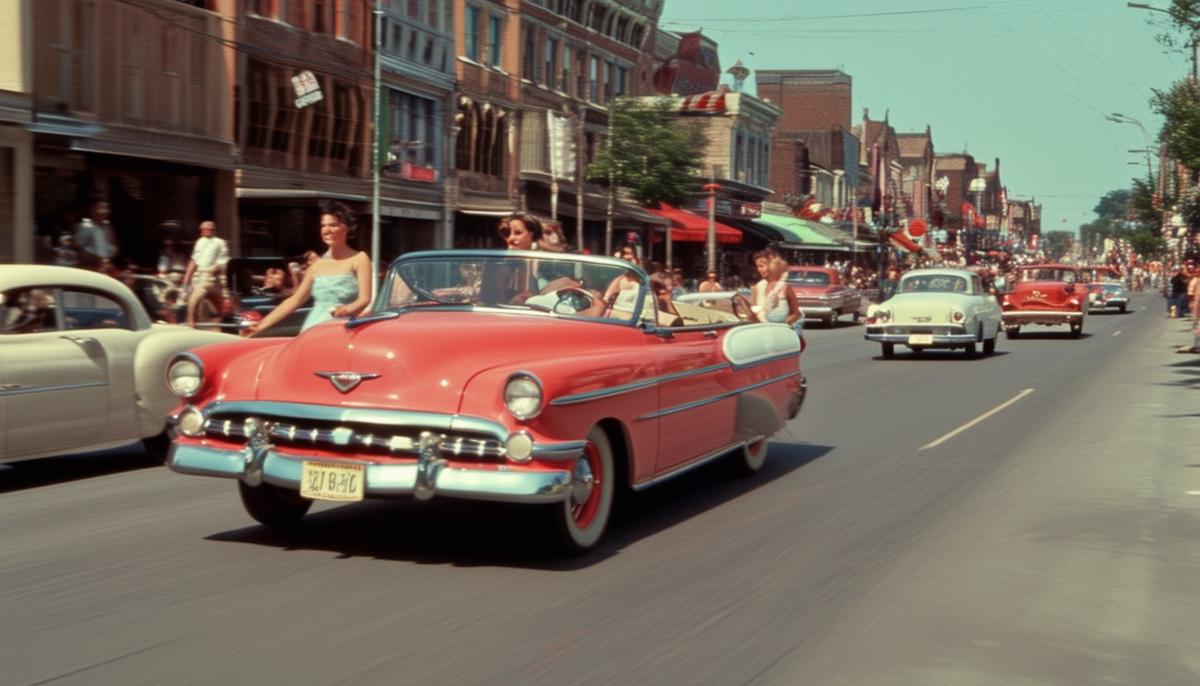
Cruising in the 1950s was like a parade where everyone got to be both audience and star. Teenagers and young adults would climb into their shiny cars and set out on the adventure of the night. The roads weren't just paths to destinations; they were the heartbeats of excitement and possibility.
Cruising routes snaked through town, offering opportunities for chance encounters. Main streets bustled with life as cars drifted past. The hum of engines and laughter were part of the night's soundtrack. Every corner held potential for adventure.
Driving wasn't merely transportation; it was a statement. Your wheels were your calling card, your declaration of independence and style. A sleek car could boost your social standing quickly. If you were driving a convertible with the top down, you felt like a movie star. The faster your hot rod, the more attention you'd get.
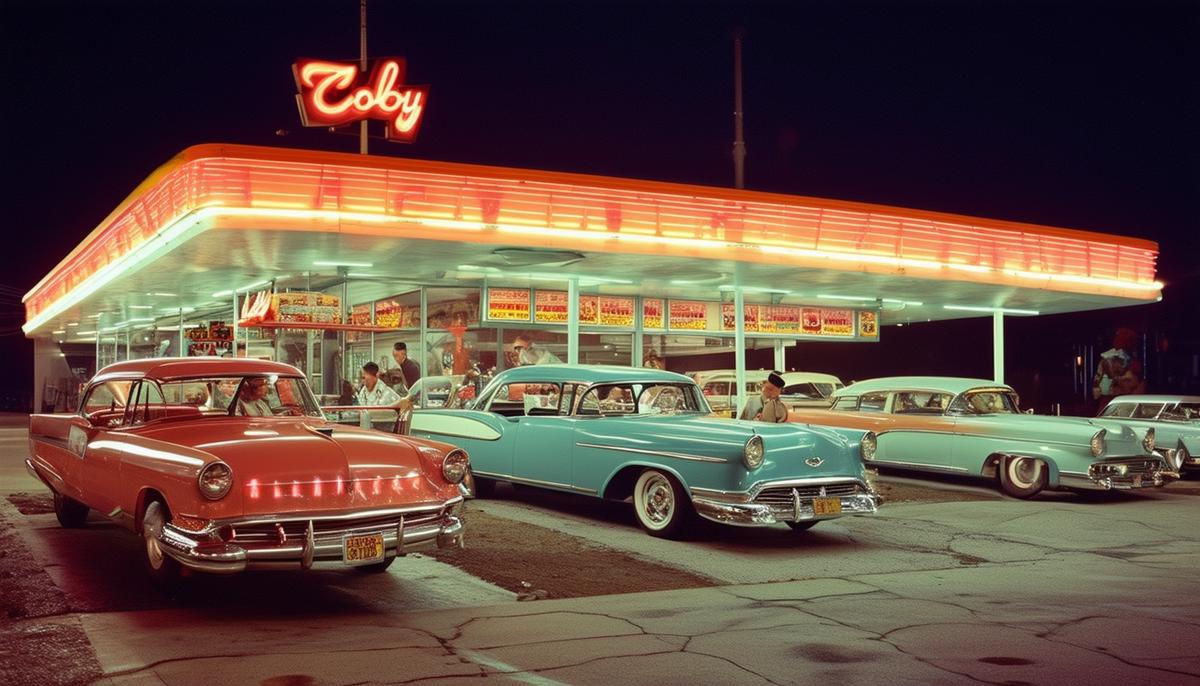
Drive-ins were social hubs where stories unfolded. Couples huddled in cars, sharing popcorn and shy glances, while friends swapped stories over milkshakes. Carhops weaved between cars, serving food that became part of the cruiser's experience.
Romance was in the air, mixed with radio tunes and summer night breezes. Long rides offered the perfect setting for whispered secrets and stolen kisses. Even as rivals showed off snazzy paint jobs and custom decals, the car itself often played Cupid's helper.
Friendships formed during these evening cruises. Conversations flowed as smoothly as the tunes from the dashboard radio. Every outing promised new tales of mischief, triumphs, and laughs. Cars were launchpads to freedom, and evenings passed in a blur of speed and dreams.
Drive-Ins and Car Culture
Drive-ins were more than just theaters and eateries—they were meeting grounds where car enthusiasts and casual cruisers came together. These spots were where social magic happened, with a splash of grease, a sprinkle of engine oil, and the scent of freedom in the air.
As night fell, drive-in theaters came to life. Cars lined up, their headlights flickering. Those towering screens seemed to reach for the stars, while below, cars and patrons created their own little dramas and comedies.
Drive-in restaurants were often adorned with colorful neon signs and flashy designs. Curved roofs, swooping arches, and bright marquees were all part of the allure. They promised sizzling burgers and frothy root beer floats, served by roller-skating carhops who zipped between cars with impressive skill.
These venues were the heartbeats of the era's car culture. Car enthusiasts showcased their prized machines, turning gatherings into impromptu car shows. Discussions of horsepower and paint jobs were as common as ordering food.
Events at drive-ins were highlights of the social calendar. Whether it was a movie marathon or a car club meet-up, there was always something happening. Classic cars gleamed under the moonlight, and rock 'n' roll spilled from speakers. New friendships and romances sparked to life, fueled by the shared love of automobiles and community.
Drive-ins weren't just places to catch a flick or grab a bite. They were cultural hubs that drew people together, united by chrome and gasoline. Through car windows, folks glimpsed the promise of tomorrow and the joy of the moment.
The Birth of Hot Rods
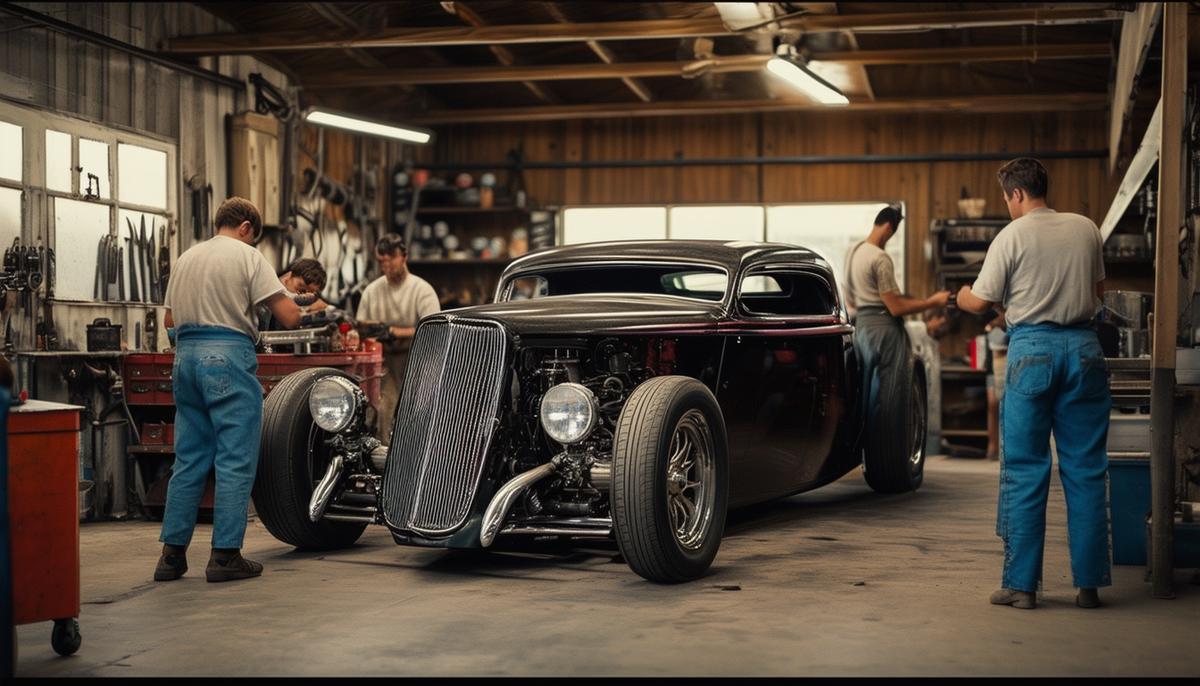
The golden age of hot rods roared to life in the post-war era. In 1946, returning GIs with mechanical skills honed overseas turned their attention to old Model Ts, '32 Fords, and other vintage cars. These weren't just vehicles; they were blank canvases waiting to be transformed into road warriors.
These car enthusiasts launched a vibrant culture of hot rods—a mix of ingenuity and style that changed how people saw cars. They stripped down frames, souped up engines, and tweaked suspensions, creating sleek machines that turned heads on streets and dirt tracks alike.
Innovation was key, with performance and style going hand in hand. Builders used surplus aircraft and military parts, crafting engines with more oomph than standard models. It was all about making each car unique—adding scoops, fins, louvers, and fancy paint jobs. Some hot rods even started to look like the rocket ships from science fiction covers, wide and low to the ground.
For America's youth, hot rods became symbols of freedom and rebellion, a way to stand out from the crowd. Owning one meant being part of an exciting new story, burning rubber under neon lights and on open highways.
The hot rod craze sparked a wider interest in car customization, leading to a booming aftermarket industry. Magazines like Hot Rod brought this subculture into the spotlight, featuring stories of backyard mechanics who'd created masterpieces with basic tools and big dreams.
Hot rods influenced more than just cars—they inspired movies, music, and new forms of art. Teens hung posters of their favorite rods, adults dove deeper into the craft, and the wider world took notice.
The legacy of these early hot rods still echoes in today's car world. They're proof that with creativity and horsepower, you can reshape the past and drive full-speed into an exciting future.
The 1950s were a time when cars were more than just machines—they were partners in adventure. Cruising, drive-ins, and hot rods painted a lively picture of youth and freedom, showing how people back then lived life in the fast lane.
- Montgomery D. Hot Rods as they Were. Fallbrook, CA: CyberDrive; 2000.
- Ganahl P. The Dynamic Architecture of the Drive-In. Paper presented at: Society for Commercial Archeology Conference; 1988; Dearborn, MI.
- Leyba E. Three young men wait for curb service at the Scotchman. The Denver Post. October 14, 1977.