
The 1957 Chevy Bel Air has been wowing car lovers and culture enthusiasts alike for decades. From its striking tailfins to its cool chrome accents, this car captured the boldness of the 1950s with a combination of performance and flair that made it unforgettable.
Driving down Route 66 or turning heads in a Hollywood movie, the Bel Air was a symbol of freedom, adventure, and American ingenuity. This machine stands as a testament to the golden age of automotive design, continuing to stir up admiration from collectors and dreamers.
Let’s take a closer look at why this classic still carries the weight of nostalgia and allure today.
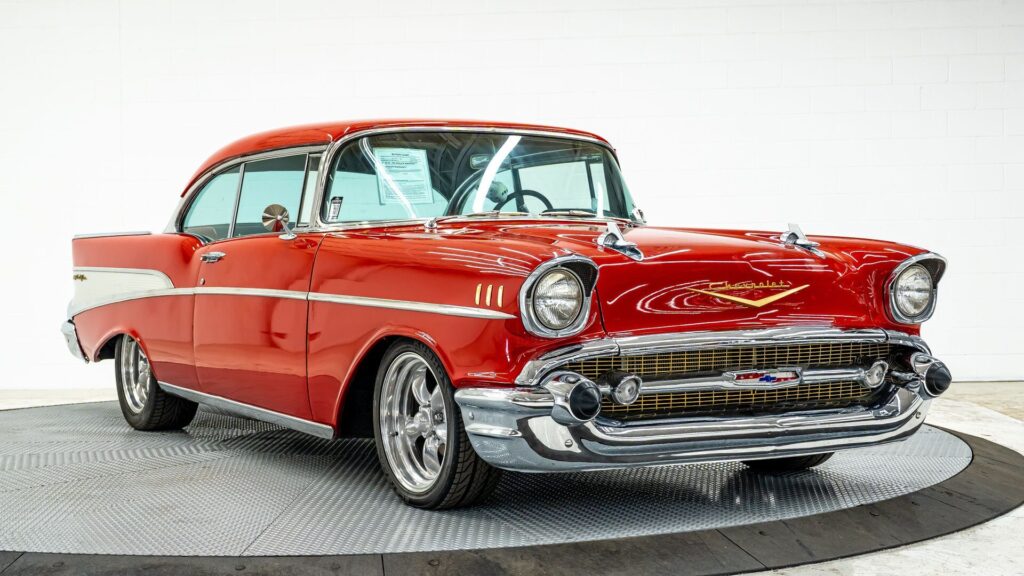
Striking Style & Unforgettable Looks
The 1957 Chevy Bel Air was a true showstopper. With its daring tailfins and sparkling chrome accents, it stood out in any parking lot. The designers ensured you’d never lose sight of this beauty, even among other ’50s cars.
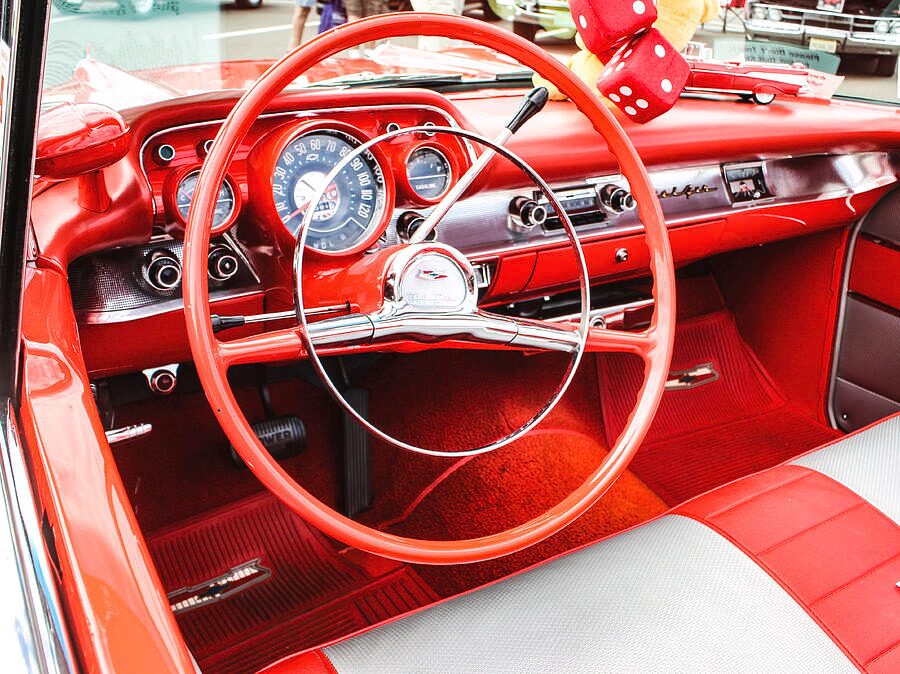
Inside, comfort reigned supreme. Spacious seats and ample legroom made every trip a breeze. The dashboard wrapped around the driver, putting you in command of this automotive masterpiece. Even passengers could appreciate the sleek gauges and tactile dials.
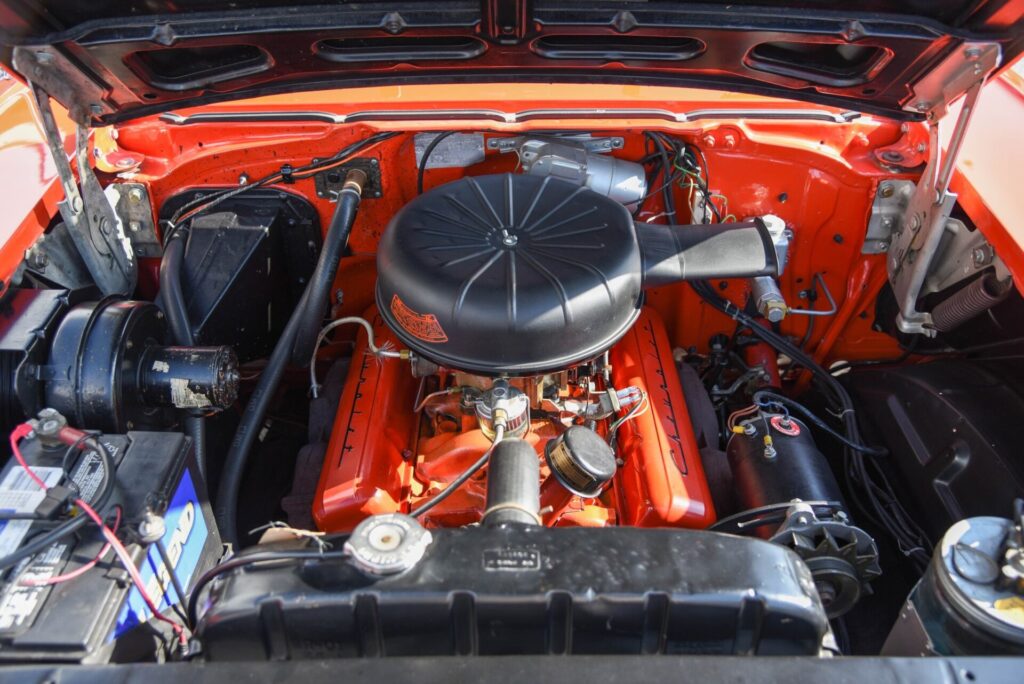
Under the hood, the V8 engine was ready to roar, providing ample horsepower for any joyride. Whether heading to the local drive-in or cruising down Route 66, the Bel Air was up for the adventure.
The car’s low-slung profile and bold grille made a statement. It had the attitude of a rock ‘n’ roll star and the heart of a dreamer, cruising down memory lane with timeless style.
Iconic Moments & Pop Culture Magic
The 1957 Chevy Bel Air left an indelible mark on American culture. Hollywood embraced it, featuring the car in films like “American Graffiti” where it represented freedom and open roads.
It revved its way into rock and roll, too. Chuck Berry’s “Maybellene” immortalized the Bel Air’s speed and sass. The car wasn’t just an accessory; it was a co-star, sharing the spotlight with music legends.
The Bel Air popped up in magazines and TV shows, often symbolizing the optimistic 1950s. Sitcoms like “Happy Days” used it to represent the joys of 1950s youth.
More than just a car, the Bel Air was a dream machine. It made the post-war years seem glamorous and exciting. Even today, a glimpse of this classic can transport us back to simpler times of jukebox jams and puppy love.
Power, Pizzazz & Pure Performance
The 1957 Chevy Bel Air had the guts to match its looks. It offered a range of engines, including:
- Standard 235-cubic-inch inline-six with 140 horsepower
- Top-of-the-line 283-cubic-inch V8 engine boasting 245 horsepower
Transmission options included:
- Three-speed manual for purists
- Two-speed automatic Powerglide for smooth sailing
Power steering and power brakes were available luxuries, and air conditioning was an option before it became common.
The interior was just as impressive. A wraparound dash and generous legroom promised a first-class experience. The Bel Air wasn’t just about getting from A to B; it turned every trip into an adventure.
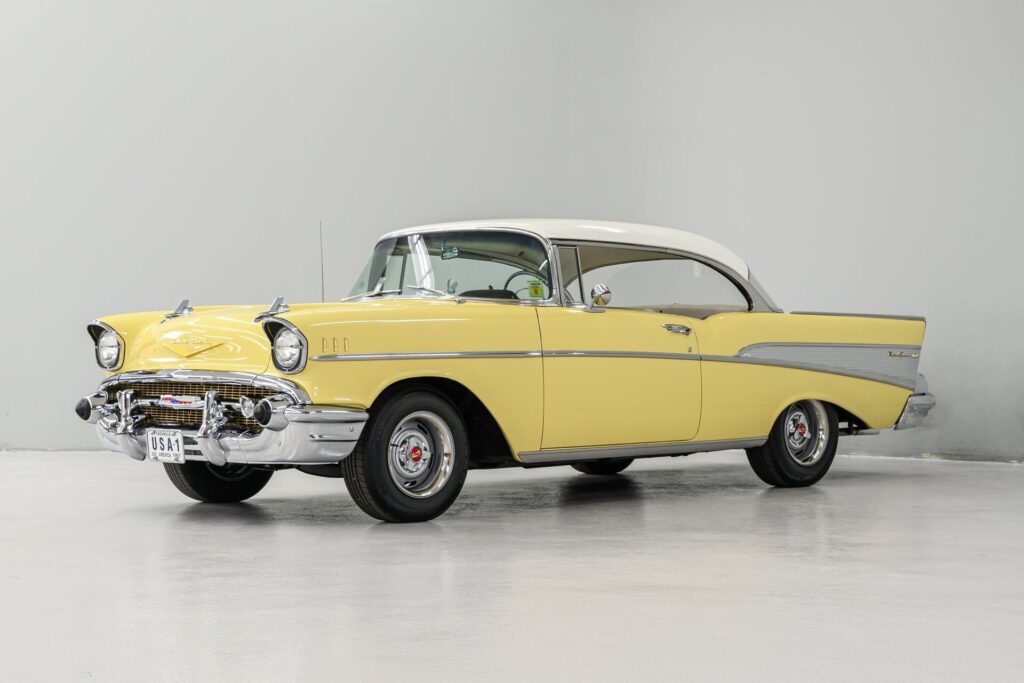
Timeless Legacy & Everlasting Charm
Decades later, the 1957 Chevy Bel Air still turns heads. Its iconic silhouette and flashy chrome feel fresh, capturing the optimism of the 1950s. The daring design – a mix of space-age dreams and rock ‘n’ roll flair – makes it stand out even among today’s cars.
The Bel Air is like a time machine on wheels, reminding us of drive-in movies and classic rock hits. It represents a period of American automotive innovation when design and performance worked in harmony.
Its influence extends beyond vintage car shows. The Bel Air inspires modern automotive designs aiming for that perfect blend of bold looks and power. Whether you’re restoring one or just admiring it, the Bel Air keeps its legacy alive as an icon of Americana.
The 1957 Chevy Bel Air remains a symbol of an era that celebrated boldness and creativity. Its enduring charm reminds us of a time when cars were crafted with flair, capturing the spirit of a generation ready for adventure.
- Leffingwell B. Chevrolet: A History from 1911. Motorbooks International; 1991.
- Dammann GH. Sixty Years of Chevrolet. Crestline Publishing; 1972.
- Langworth RM. The Complete Book of Chevrolet. Beekman House; 1980.